
Is Your Outdoor Fun Killing You? Shocking Truth About Asthma & Climate Change Revealed!

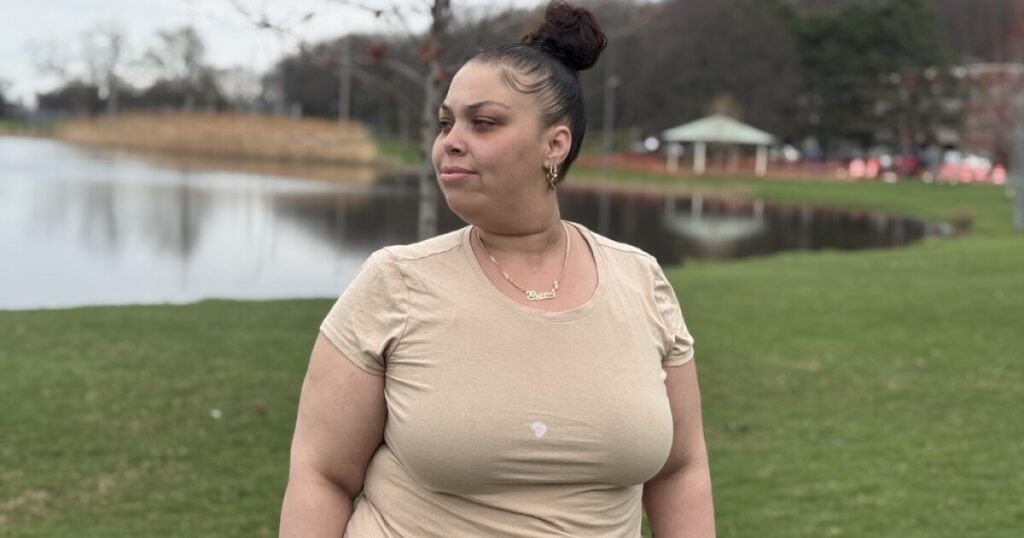
For many, the struggle with chronic conditions often begins in childhood and can persist well into adulthood. Khyana Brown is one such individual who has battled asthma for most of her life. Once reliant on a CPAP machine and frequently hospitalized due to her condition, Brown is proud to say that she hasn't had an asthma attack in over a decade. This remarkable achievement she attributes to significant weight loss and a commitment to healthier lifestyle choices. “I just want to be normal,” Brown expressed, reflecting the desire of many who live with chronic health issues.
However, as summer approaches, Brown finds herself facing new challenges. “I could work out in this (the cool weather) and be all right. My asthma will not bother me,” she explained. “But if it's hot, ain't no working out.” This statement underscores a larger issue affecting many Americans with asthma and allergies: the increasing impact of climate change on air quality and health.
Dr. Katrina Korfmacher, the deputy director of UR Medicine's environmental health sciences, notes that rising temperatures and worsening air quality are particularly detrimental for individuals with asthma. “The kinds of trees that produce pollen that people tend to be allergic to are going to be more common,” she explained. “We also expect that air quality in general will get worse, hot and humid days, and all three of those things are worse for people with asthma.”
Asthma affects approximately 25 million people in the United States, with many experiencing exacerbated symptoms due to environmental factors. Dr. Korfmacher points out that up to 30% of asthma-related attacks are linked to in-home sources, highlighting the importance of not only outdoor air quality but also the conditions within homes. “Older housing in poor condition that's subject to more of these extreme conditions is likely to have multiple effects on residents' health,” she added.
The rising humidity and heat can lead to a spike in mold growth, particularly in older homes lacking modern air conditioning systems. This creates a perfect storm for those already vulnerable to respiratory issues. Dr. Korfmacher recommends that homeowners take proactive steps to mitigate these risks by ensuring proper drainage and roof conditions, as well as investing in dehumidifiers or air conditioning systems in damp areas.
As climate change continues to influence weather patterns and air quality, the stakes are high for many Americans. Khyana Brown's story is a testament to resilience and the ongoing battle with asthma, but it also serves as a reminder of the broader environmental challenges that can exacerbate chronic health issues. For those like Brown, who are striving for a “normal” life, understanding and addressing the impact of climate on health is crucial.
As we move into a future where climate change becomes an ever more pressing issue, it is essential for communities and individuals to take action to protect their health. This includes advocating for better housing conditions, improving air quality on a local level, and maintaining personal health through informed lifestyle choices. The fight against asthma is not just a personal journey; it is a collective effort to create a healthier environment for all.
You Won't Believe What Happens When This Request Is Denied—The Shocking Truth Inside!
Is Indiana's New Chatbot the Key to Unlocking Your Medical Bills? Discover What You're Missing!
This Shocking Error Left Thousands Exposed—Are You at Risk? Find Out Now!

Why Are They Silencing Kennedy? The Shocking Truth Behind the White House’s Bold Move!

7 Shocking Secrets NM Leaders Won't Tell You About Sustainability This Earth Month!
US Stocks Plunge: Is a $3 Trillion Meltdown Imminent? What Experts Aren't Telling You!
You might also like: