
Is Your Neighborhood Aging You Faster? Shocking Study Reveals Startling Health Disparities!

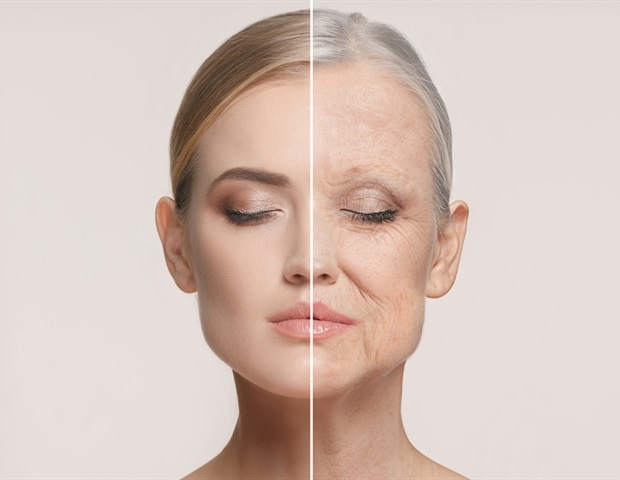
There's a growing consensus that your ZIP code can significantly predict your health and lifespan. Research from the NYU School of Global Public Health has revealed that the conditions in which one lives may even drive aging at the cellular level. The study, published in the journal Social Science and Medicine, underscores the profound impact of neighborhood conditions on biological aging.
The findings indicate that individuals residing in neighborhoods with limited social and economic opportunities—such as stable jobs and affordable housing—are more likely to exhibit elevated levels of CDKN2A RNA, a biomarker associated with cellular aging. “Our health is shaped not only by individual behaviors but also by the environments we live in,” stated Mariana Rodrigues, a PhD candidate at NYU and the study's first author. “This study suggests that structural conditions may become biologically embedded and influence aging processes over time.”
Key neighborhood factors like access to green spaces, clean air, well-resourced schools, and economic stability have long been known to affect overall well-being. A lack of these resources is correlated with a higher risk of chronic diseases and shorter life expectancy. However, this new research delves deeper by exploring how these environmental disparities impact health and aging on a cellular level.
As cells age, they cease to divide, remaining metabolically active while secreting substances that can promote inflammation. This cellular aging is linked to frailty and diseases associated with aging. The study assessed four molecular markers of cellular aging through blood samples from 1,215 American adults participating in the Midlife in the United States (MIDUS) study. The researchers evaluated neighborhood opportunities based on a participant's census tract using the Childhood Opportunity Index 3, which aggregates 44 measures of education, health, environment, and social and economic resources.
The analysis revealed that individuals living in low-opportunity neighborhoods exhibited significantly higher levels of CDKN2A RNA, even when controlling for other socioeconomic factors, health, and lifestyle choices. Notably, the influence of neighborhood opportunity on CDKN2A expression was most pronounced regarding social and economic factors, suggesting that cellular aging is more strongly linked to economic deprivation than to education, health, or environmental conditions.
“Stressors related to income, jobs, and housing are not occasional but persistent conditions that shape daily life,” emphasized Adolfo Cuevas, associate professor of social and behavioral sciences at NYU and the study's senior author. “Our findings suggest that chronic stress caused by economic deprivation and limited mobility may be the primary driver of cellular aging.”
Looking ahead, the researchers aim to investigate community-related factors that could mitigate health risks and further explore how neighborhood conditions influence aging over time. They believe that identifying critical periods of exposure might help inform future public health initiatives.
However, the authors also caution that many of the environmental factors affecting health are structural issues, not easily remedied by individual actions. “Improving neighborhood conditions, particularly social and economic resources, may be crucial for fostering healthy aging and reducing health disparities,” Rodrigues noted. “If we genuinely want to address health disparities and enhance health for everyone, it’s essential to consider what needs to be changed at the structural level.”
The study involved contributions from authors Jemar Bather, Alisha Crump, and Emiko Kranz of NYU School of Global Public Health, along with Steven Cole from the University of California, Los Angeles. This research was supported by the National Institute of Diabetes and Digestive and Kidney Diseases under grants R01DK137246 and R01DK137805.
UNC Fans EXPLODE Over Michael Malone's Shocking Introduction – You Won't Believe Their Reactions!

Oil Prices Plummet—What’s Behind the Shocking US-Iran Ceasefire That Could Change Everything?

You Won't Believe How Many Kids in Zamboanga Are Missing Out on Life-Saving Vaccines!

Austinites Shocked: 5,000 Tech Jobs Vanish Overnight as AI Revolution Hits Hard!

You Won’t Believe How AnyMind Group’s Arche Digital Shocked the Tech World at the IA Awards 2026!

Dolphins' Star Missing in Action! Shocking Trade Request from Giants' Pro Bowler Revealed!
You might also like: