
Is Your Midnight Snack Sabotaging Your Sleep? Shocking Truth Inside That Could Change Everything!

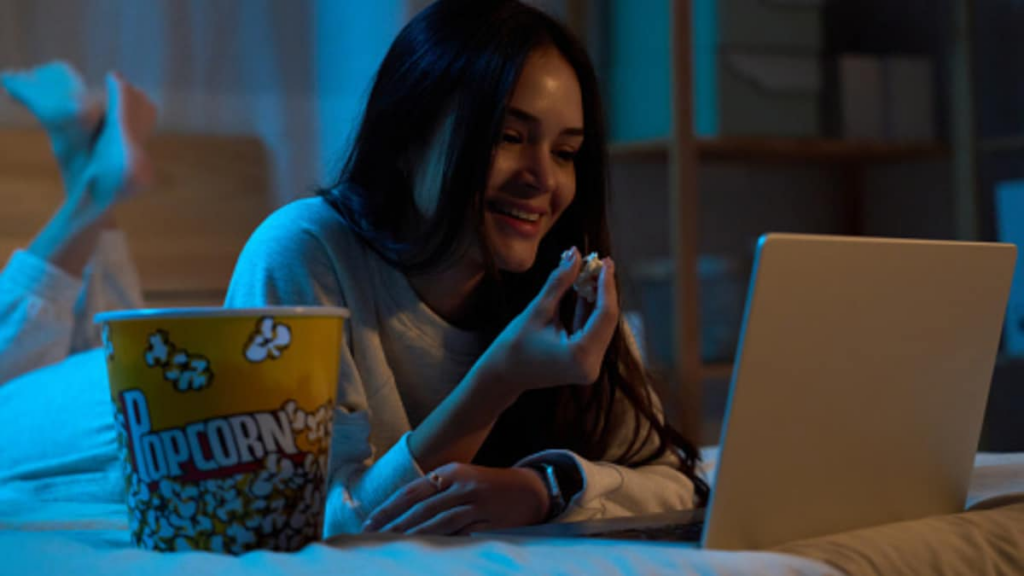
There’s a familiar scene that plays out in many homes past 11 PM: the lights are dim, screens are still glowing, and the fridge suddenly feels irresistible. What begins as ‘just a small bite’ often turns into an indulgence of sugary snacks, leftovers, or fried comfort food. While occasional late-night snacking may seem harmless, experts warn that these habits can significantly disrupt sleep, memory, and cognitive performance the following day.
According to Dr. Nilesh R. Palasdeokar, a Consultant Neurologist at Ruby Hall Clinic in Pune, these cravings are not just a matter of willpower. “Late-night hunger isn’t simply a lack of control. Ghrelin, the hunger hormone, rises while leptin drops, especially if bedtime is delayed,” he explains. This hormonal shift, compounded by fatigue, heightens sensitivity to sugary and refined foods. Richa Anand, Chief Dietitian at Dr. L H Hiranandani Hospital in Powai, adds, “Stress, screen time, and irregular meal patterns further amplify these cravings, making the brain associate food with wakefulness.”
The issue lies not just in what you eat, but when you eat it. Dr. Palasdeokar notes that consuming food late at night sends mixed signals to the brain’s internal clock. “Instead of entering rest-and-repair mode, the brain stays in ‘day mode.’ Melatonin production slows, sleep cycles get disrupted, and inflammation can increase.” Anand echoes this sentiment, stating, “Food intake late at night delays the circadian rhythm, keeping the brain alert when it should be shutting down.” The result? The brain struggles to fully power down, leading to restless nights.
Late-night eating also affects memory and focus. Deep sleep and REM sleep are critical times for the brain to consolidate memories, regulate emotions, and clear metabolic waste. Disrupting this process can lead to cognitive impairment. “Late-night eating reduces restorative sleep. The next day you may experience slower reaction times, poor concentration, irritability, and cloudy thinking—very similar to mild sleep deprivation,” Dr. Palasdeokar explains. Anand adds that many individuals report mental fog, mood swings, and a reduced ability to learn.
For students, professionals, and anyone relying on sharp focus, those midnight snacks may cost more than they realize. Certain foods are particularly detrimental to sleep quality. Dr. Palasdeokar points out that “refined sugar, fried foods, processed snacks, and fast food overstimulate the brain’s reward centers and trigger inflammation.” These foods can lead to spikes in insulin and blood sugar, causing crashes that wake you during the night. Anand emphasizes, “Sugar causes quick glucose spikes and crashes, while fried foods digest slowly, keeping the digestive system and brain active when they should be resting.” The outcome is restless, fragmented sleep.
The good news is that not all late-night bites are bad. When hunger is genuine, small portions of sleep-supportive foods can actually help. Dr. Palasdeokar recommends snacks rich in tryptophan, magnesium, and healthy fats to promote relaxation. Consider options like bananas with nuts, yogurt, warm milk, or soaked almonds. Anand also suggests oats and even a small piece of dark chocolate in moderation, as these nutrients can help regulate blood sugar and encourage melatonin production without overstimulation.
Timing is just as crucial as food choices. Both experts agree that consistency is key. “Your brain loves routine,” says Anand. Eating your last heavy meal two to three hours before bedtime allows digestion to wind down naturally. Even healthy foods eaten too late can disturb circadian rhythms.
Midnight munchies may feel comforting, but they quietly sabotage the brain’s crucial recovery hours. By choosing lighter, nutrient-rich snacks and adhering to a consistent meal schedule, you can protect your sleep, memory, and mental clarity. Sometimes, the smartest brain food is simply closing the kitchen earlier.
Is Bad Bunny REALLY getting $10 million for the Super Bowl halftime show? You won't believe the truth!

You Won’t Believe How the Harbor Boys Soccer Team Shocked Everyone with a 12-0 Victory! What’s Next?
Elon Musk's Secret Starlink Phone: Is This Revolutionary Tech About to Change Everything?

Spain's Shocking New Law Targets Tech Giants: Are Your Social Media Habits in Danger?
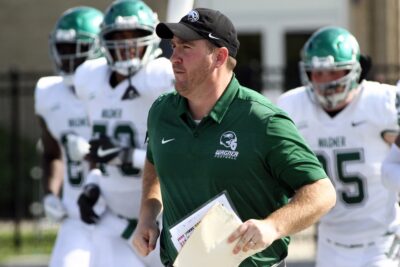
You Won’t Believe How Two Ex-Wagner Coaches Could Change the Super Bowl Outcome!

Shocking Shift: IOC Considers EARLIER Winter Olympics—What Does This Mean for Athletes?
You might also like: