
Is Your Job at Risk? Climate Change Threatens 1 Million Workers in a Surprising Industry!

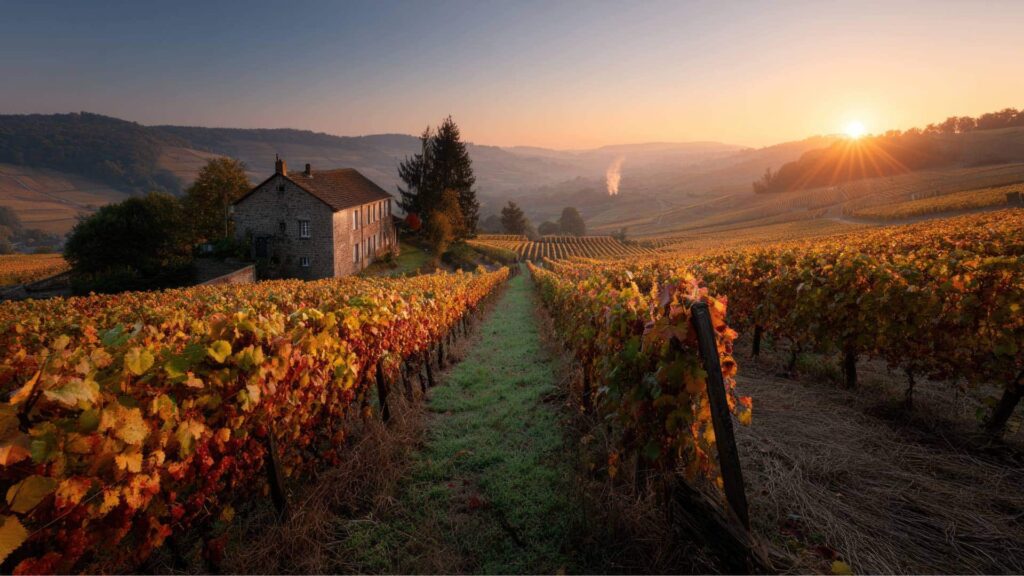
The Vignoble des Agaises, a vineyard located in the Mons region of Belgium, is experiencing yet another early harvest this year. Known primarily for its variety of Trappist beers, Belgium is slowly gaining recognition for its wine production, thanks to its geographical proximity to celebrated wine regions like Burgundy and Picardie in France, which influences local drinking culture.
Arnaud Leroy, the vineyard’s sales manager, has been at the forefront of this burgeoning wine industry in Southern Belgium for over 20 years, focusing on producing champagne and sparkling wines. For Leroy and his family, wine isn't just a product; it's a passion and a vital element of their lives and the local economy. However, recent climatic challenges pose significant threats to the vineyard and many others in the region.
In recent years, early frosts have ravaged harvests across Europe, impacting areas from Lombardy in Italy to Flanders in Belgium. These unpredictable weather patterns have left numerous vineyards grappling with financial uncertainty. The crisis is not confined to Belgium; winemaking regions across Europe are facing similar hardships, all stemming from what many experts are calling a “tidal wave” of climate change.
“In the last 10 years, we have always harvested in October,” Leroy noted. “But recent harvests have systematically been earlier and earlier into September, this year’s harvest being around the third of September.” This shift, while seemingly minor, significantly impacts the grapes’ maturation process, and consequently, the flavor profile of the wine produced.
The Climate Crisis and Wine
Wine is particularly sensitive to climatic changes, with even minor variations affecting its texture, taste, and tannin density. An early harvest can lead to grapes that are less ripe, resulting in a wine that is more sour and less aromatic. Conversely, late spring frosts can produce grapes that are excessively sweet and heavy in tannins. The implications are profound for many well-known wine regions, including Tuscany, Burgundy, and California, as they may see drastic changes in their wine quality and potentially face displacement in the coming decades.
Wine has been a luxury product for thousands of years, deeply intertwined with European culture, economy, and even religious practices. It has held significant historical value and continues to play a vital role in social traditions. As such, the potential crisis in the wine industry raises questions not just about economics but about the preservation of cultural heritage.
Many vintners and oenologists are now calling for urgent action against climate change. Leroy pointed out another challenge: “The younger generation simply consumes less alcohol.” This decline in consumption exacerbates the financial strain on smaller vineyards struggling against the double whammy of climate-related harvest issues and shifting consumer preferences.
Interestingly, while some regions suffer, others are experiencing unprecedented success. Regions like Champagne have reported record-breaking harvests, attributed to favorable conditions and new technological advancements. However, this temporary success overshadows a more significant, long-term crisis, which was further exacerbated by devastating floods in the summer of 2025 in Picardie and Champagne, causing loss of life and extensive property damage.
Looking toward the future, scientists warn that if global temperatures rise by just two degrees Celsius (35 degrees Fahrenheit), we may reach a tipping point that alters ocean current patterns, irrevocably changing European climates. This threat looms only about 20 years away and remains largely ignored by both media and climate institutions.
However, not all regions are destined for decline. In some southern parts of Sweden, new, more resilient grape varieties are taking root, giving birth to a burgeoning Scandinavian wine industry. Leroy acknowledged the silver lining, stating, “While there have been some exceptions, notably in 2024, wine production has been top quality. The earlier harvests have their advantages.”
As established wine-producing regions grapple with instability, this may be the perfect opportunity for emerging areas like Scandinavia and the Balkans, along with the Agaises vineyard with its unique chalky soil and favorable latitude, to make their mark in the global wine landscape.
Ultimately, the solution to this crisis lies not just in adapting to climate change but also in mitigating its effects through reduced carbon emissions and responsible consumption. The fight against climate change demands urgent, collective action—a challenge that remains daunting for both the wine industry and the global community.
Youngkin’s Shocking Defeat: What His Failed Board Picks Mean for Your Child’s Future!

You Won't Believe What This Governor Is Ignoring in His Last Year—Your Taxes Could Skyrocket!

College Football Playoff's Shocking Downfall: Are Major Schools Planning a REVOLT?

Startup Seizes 'Twitter' Name Amid Claims Elon Musk Has Totally Abandoned It—What Happens Next Will Shock You!

Shocking Decision! New Hanover County School Board Chairman Drops Out of Race—What This Means for Your Kids!

European Stocks Tumble: Is This the Start of a Tech Collapse Amid Fed Relief Panic?
You might also like: