
Is Your Home Prepared? 5 Shocking Climate Change Effects That Could Leave You Vulnerable!

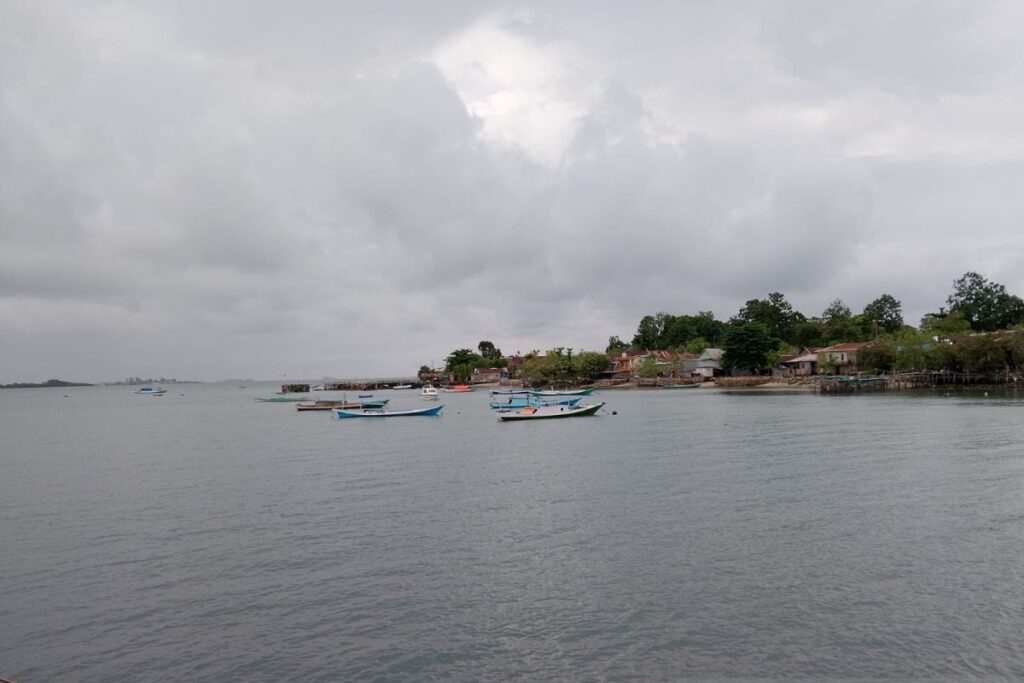
In the remote waters of South Sulawesi, a beacon of hope shines from Sabutung Island, part of the Pangkajene and Islands District. As the impacts of climate change become increasingly severe, local residents—especially women—are adapting in remarkable ways. From unpredictable weather patterns to rising sea levels, these island communities are learning resilience as they navigate their changing environment.
The effects of climate change are unmistakable: higher waves, uncertain marine harvests, and tidal flooding threaten the very fabric of life on these islands. Yet, the women of Sabutung Island refuse to remain passive. They are stepping up, taking initiatives, and building confidence through support from organizations like the Community Empowerment Study Foundation (YKPM) and the Office of Population Control, Family Planning, Women's Empowerment, and Child Protection (DP2KBP3A), which have been instrumental in empowering them.
According to Nurhayati, a member of YKPM’s Advocacy and Organizing Team, island women and children grapple with a myriad of challenges. Issues like stunting, poverty, school dropouts, and child marriage are prevalent, often exacerbating the cycle of violence against women and children. The external pressures of climate change compound these social issues, as rising sea levels and intensified storms force communities from their homes.
“The situation is dire,” stated Sabariah, a 42-year-old resident of Sabutung Island. “During extreme weather, seawater can reach our kitchens. Last year, floodwaters rose to the middle of the island, impacting homes that were never affected before.” This drastic change is alarming, especially during full moons when tidal flooding worsens.
Recognizing the urgent need for disaster preparedness, Iqra, Head of Village Development within the Community and Village Empowerment Office of the Pangkajene and Islands District, highlighted that disaster mitigation programs are now prioritized in village budgeting. A total of Rp25 billion (approximately US$1.49 million) has been allocated for 2025, focusing on family welfare and climate change mitigation efforts.
The district is making strides in promoting self-reliance. Currently, at least 18 out of 65 villages in the Pangkajene and Islands District have achieved Independent Village status. These villages receive ongoing assistance for disaster mitigation and community empowerment, particularly targeting women in fishing households who are increasingly vulnerable.
Despite these challenges, women are demonstrating remarkable resilience. They are collaborating to address the pressing issues of tidal flooding and food scarcity. For instance, Sahariah Daeng Kerra, a 41-year-old single mother, operates a corner store and processes unsold fish into salted products, selling them to support her three children. “From my store and the salted fish sales, I can pay for their schooling. One of my children has already graduated with a bachelor’s degree,” she shared.
The next generation is learning to adapt as well. Children are becoming more attuned to their environment, learning to read the wind and waves, which is vital for their future in a changing climate.
Muhammad Yusran Lalogau, the District Head of Pangkajene and Islands, acknowledged the limitations faced in addressing these issues. While governmental interventions have begun, budget constraints hinder optimal infrastructure development such as breakwaters and sanitation facilities. However, initiatives like ready-to-drink water facilities and floating health centers are being introduced to aid the local populace.
Yet, the support still falls short for many islands, home to half of the district's population of 360,004 people, according to Statistics Indonesia (BPS) data from 2024. The plight of women and children on Sabutung Island reflects a broader narrative, where they are on the frontline of climate change while men often face harsher conditions at sea.
As climate change continues to threaten coastal communities, the voices of women in these vulnerable areas must be central to policy-making efforts. Their roles are pivotal in shaping the future of their communities. The resilience displayed by women on Sabutung Island underscores the vital contributions they make, not just in weathering the storms of climate change, but also in nurturing the next generation.
You Won't Believe What This Celebrity-Owned N.J. Property Is Turning Into—Act Fast Before It's Gone!

Lakers’ Shocking 30-Point Defeat Exposes Major Flaws—Is a Star Player on the Trading Block?

10 Must-Watch TV Shows from 2025 Before They Vanish in 2026—Are You Missing Out?

Dow Soars While Nasdaq Plummets—Is Oracle’s Shocking Earnings Report the Start of a Market Crash?

McDonald's Shocking AI Christmas Ad Pulled – What Went Wrong That Left Millions Outraged?

Are Black Mental Health Gaps Widening? Shocking Stats You Need to See Now!
You might also like: