
Is Your Home Next? Scientists Predict 1 in 3 Areas Could Face Unstoppable Megafires!

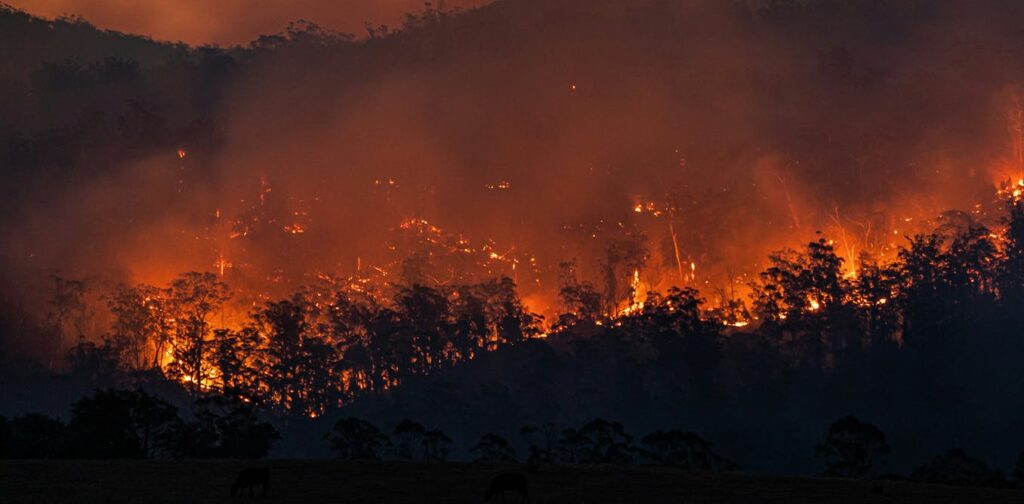
As much of south-eastern Australia braces for a significant heatwave expected to peak over the next two days, concerns mount regarding the risk of bushfires. The combination of extreme heat and strong winds poses a serious threat, particularly in regions like Victoria and South Australia, where fires are already ablaze.
However, it's critical to understand that heatwaves alone don't always lead to bushfires. During the summer of 2018–19, Australia experienced widespread heat, yet it wasn’t until the following summer that the nation faced its most devastating bushfires. The catastrophic 2019–20 megafires were primarily fueled by a severe drought and exacerbated by dry lightning storms—conditions that had prepared the landscape for such destruction.
Climate change is complicating predictions about where and when large fires will ignite. Scientists highlight the increasingly complex interactions between climate variables, fuel availability, and fire behavior. This unpredictability is prompting a more urgent need for innovative solutions in fire management and research.
Recently, the phenomenon of unpredictable fire behavior has been observed not only in Australia but also in places like Los Angeles, where winter fires erupted in January 2025—well outside the traditional fire season. These fires were influenced by what experts termed a “hydroclimatic rebound event,” characterized by a rapid shift between extremely wet and dry conditions. In Los Angeles, two consecutive years of heavy rainfall led to an overgrowth of vegetation, which quickly dried out, creating highly flammable conditions.
The climatic volatility is not unique to California. Southeastern Australia has seen similar fluctuations, including a rare “triple-dip” La Niña pattern that brought record rainfall and flooding in 2022, followed by a swift return to drought in 2023. This rapid transition has resulted in severe fires in areas like Tenterfield, New South Wales, which faced high-severity fires just four years after experiencing similar devastation during the megafires. Such short intervals between high-severity fires—historically expected to be a decade or more for “dry sclerophyll” forest types—signal a troubling trend.
The occurrence of two major fires in such close succession raises alarms about the changing fire regimes across Australia, driven not just by climate change but also by land management practices and disruptions to traditional Indigenous burning techniques. The expansion of populations into bushland areas and the invasion of non-native weeds further complicate fire behavior and management efforts.
In light of these challenges, researchers and policymakers are advocating for a more integrated approach to fire management. In response to the 2019–20 megafires, the New South Wales (NSW) government launched an initiative to unite experts from diverse academic fields with government agencies and Indigenous knowledge holders. This collaborative effort, known as the NSW Bushfire and Natural Hazards Research Centre, seeks to embed government “end-users” within research projects to ensure findings are directly applicable to fire management strategies.
The current heightened bushfire risk serves as a timely reminder for residents to stay vigilant and informed about their surroundings. Many states now offer mobile apps that provide alerts for bushfires and other natural hazards, making it easier for individuals to respond promptly to changing conditions.
As climate change continues to reshape fire dynamics, understanding the interplay of these elements is essential for effective response and management. The increasing frequency and severity of megafires highlight the urgent need for innovative research and community awareness. Addressing these challenges requires a concerted effort from all stakeholders to foster a safer environment as we navigate this evolving landscape.
Is Your Portfolio Ready? Shocking Jobs Data Could Crush the Early 2026 Rally!

Are You Part of the 80%? Discover How Social Media Is Wreaking Havoc on Your Mental Health!

You Won't Believe How Climate Change is Destroying Cariboo's Lakes – The Shocking Truth Revealed!
Is Our Planet DOOMED? Discover the Shocking Truth About Climate Change at JP Library on Jan. 10!

$100M Funding Pours into Startups Today: Are You Missing Out on the Next Big Thing?

Is Your Child's Snack Choice Secretly Sabotaging Their Future? Discover the Shocking Truth Now!
You might also like: