
Is Your Favorite Sweetener Harming You? Shocking Study Links Erythritol to HIGH Stroke Risk!

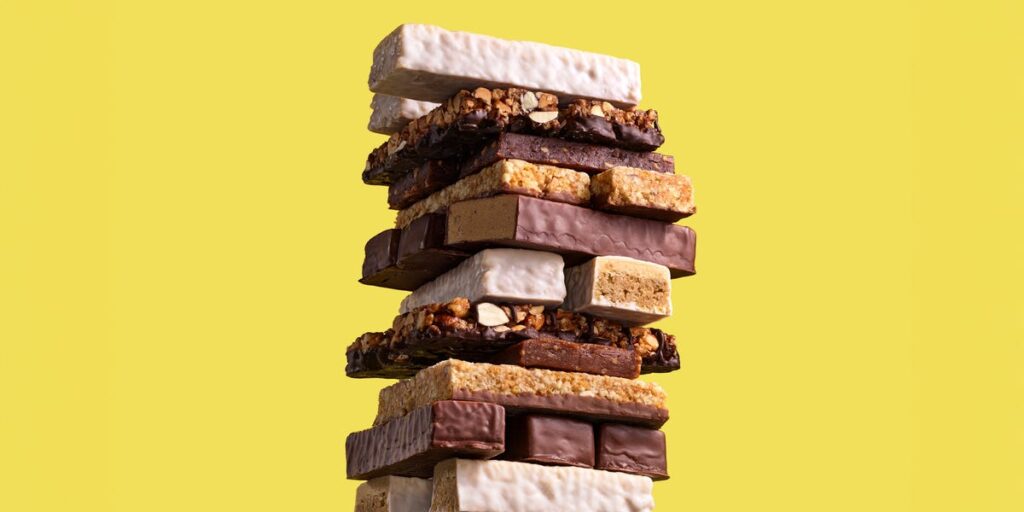
As Americans increasingly seek healthier snack options, many are turning to protein bars and sugar-free products. However, recent research raises concerns about a commonly used sugar substitute: erythritol. This sugar alcohol, often found in various sugar-free drinks and snacks, has been linked to adverse health outcomes such as stroke and heart attack, according to a study published in the Journal of Applied Physiology.
The study, led by Auburn Berry, a graduate student at the University of Colorado, Boulder, found that erythritol could impact cell behavior in ways that suggest a higher risk of cerebrovascular issues. In laboratory tests, human cells lining blood vessels in the brain were treated with around 30 grams of erythritol—roughly the amount found in a standard artificially sweetened beverage—for three hours. Researchers observed that these cells produced lower levels of nitric oxide, which helps relax and widen blood vessels. At the same time, they noted elevated levels of endothelin-1, a protein that constricts blood vessels. Lower nitric oxide and higher endothelin-1 levels can disrupt blood flow and increase the risk of heart attacks and strokes.
“While erythritol is generally considered safe and does not raise blood glucose levels, our findings raise concerns about its potential cerebrovascular effects,” Berry stated. The study also noted that the treated cells showed a diminished response to thrombin, a compound involved in clot formation, and produced more free radicals—unstable molecules linked to inflammation in the body.
Understanding Erythritol's Impact
Experts advise caution in interpreting these findings. Dr. Clifford Segil, a neurologist at Providence Saint John’s Health Center in California, emphasized that the study's observations were made in a lab setting and do not definitively conclude that erythritol consumption directly leads to strokes. "Findings found 'in vitro' or in a petri dish are sometimes replicated in larger animals, but not all the time," he noted. Therefore, further studies are necessary to validate these results in real-world scenarios.
Jessica Cording, a registered dietitian and author of The Little Book of Game Changers, explained that while erythritol has been utilized for years—gaining popularity especially with the rise of low-carb diets—its effects can vary based on consumption levels. She pointed out that the 30-gram dose used in the study is on the higher end of what one might find in a typical diet. “A 30-gram dose is more than an ounce, which is a lot. I'm not surprised that it would have some kind of impact,” she remarked.
Moreover, although the body naturally produces erythritol in small amounts as part of metabolism, the levels observed when erythritol is used as a sweetener are approximately 1,000 times higher than what the body produces naturally. This discrepancy raises questions about the long-term effects of consuming such high quantities through processed foods.
Additionally, this study did not pit erythritol against other artificial sweeteners. A 2025 study published in the journal Neurology followed 12,772 adults over an eight-year period and found that individuals consuming higher amounts of various artificial sweeteners—including aspartame, saccharin, and erythritol—experienced a 62 percent faster decline in memory and cognitive skills compared to those with lower intake.
As the conversation around erythritol and other sugar substitutes evolves, experts suggest remaining cautious. "We're still learning about it," Cording said. "There are so many different types of non-nutritive sweeteners, and we're just starting to understand the different impacts they may have when consumed in excess." Dr. Cheng-Han Chen, an interventional cardiologist at MemorialCare Saddleback Medical Center, advises that consumers should be mindful of their erythritol intake and the products they choose.
In summary, while erythritol might offer a low-calorie option for those looking to reduce sugar intake, emerging research suggests it could have unintended effects on vascular health. As consumers navigate the landscape of artificial sweeteners, remaining informed about their choices and the potential risks associated with high consumption is more crucial than ever.
FBI's Shocking Signal Recovery: What They Found Will Leave You Speechless! Are You Safe?

Melania Trump's Jaw-Dropping Epstein Revelation That Left White House Aides Speechless! What Did She Say?

Apple's Shocking Q1 Triumph: How They Dominated the Smartphone Market Amid a 15% Shipping Plunge!

Detroit's Housing Market COLLAPSES: Prices Plunge 30%! Is Your Dream Home at Risk?

CVS Stock Dilemma: Are You Missing Out on a Hidden $79 Opportunity Amidst Shocking Earnings?

Idaho's Shocking New Law: Kids Need Parental Consent for Social Media—What Parents MUST Know!
You might also like: