
Is Your Favorite Social Media Next? Shocking Countries Planning Major Bans Revealed!

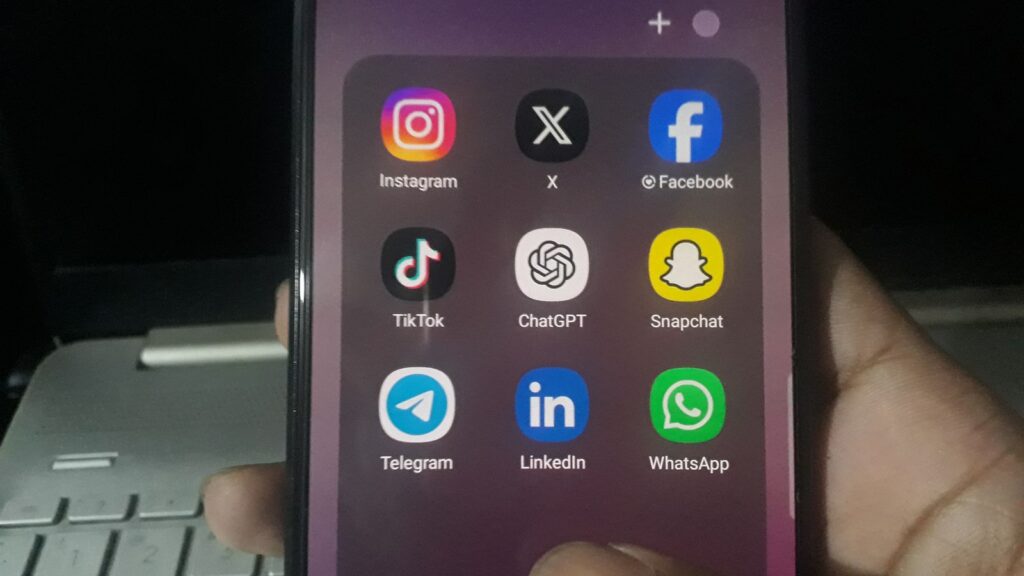
In a bold move to safeguard the mental health of its youth, Australia has implemented a blanket ban on social media usage for individuals under the age of 16. This groundbreaking legislation, which took effect on December 10, 2025, mandates that ten major platforms—including Facebook, Snapchat, TikTok, and Instagram—must block access to minors or face hefty penalties of up to AU$49.5 million (approximately £25 million). Julie Inman Grant, Australia’s eSafety Commissioner, emphasized that the intention behind these restrictions is to protect young Australians from the pressures and potential dangers linked to social media, such as harmful content and addictive design features that encourage excessive screen time.
In the wake of Australia’s pioneering approach, other nations are taking similar steps to regulate social media access for young users. Four months after Australia's ban, countries like France, the United Kingdom, and Austria are exploring their own regulations aimed at protecting children online.
Global Landscape of Social Media Regulations
In France, legislation has been introduced to bar children under 15 from accessing social media platforms. This move follows a previous law enacted in 2018 that prohibited mobile phone usage in French colleges for students aged 11 to 15. Although the French National Assembly has approved the bill, it will return for a final vote, facing potential delays due to differing opinions on the scope of the ban.
Meanwhile, in the UK, the House of Lords has supported a similar amendment in the government’s Children’s Wellbeing and Schools Bill. The British government is currently consulting the public on measures to protect young people online, which may include features such as overnight social media curfews and restrictions on addictive functions like infinite scrolling. A trial involving 300 teenagers is set to assess the impact of these regulations on their sleep and academic performance.
Austria is also moving forward with plans to ban social media for children under 14, with proposed legislation expected to be finalized by June. Officials have indicated that modern age verification methods will be employed to align with privacy concerns, while simultaneously enhancing media literacy education in schools.
In Spain, Prime Minister Pedro Sanchez has pledged to introduce an under-16 social media ban, describing the current digital ecosystem as the "Wild West" for children. This initiative is part of a broader strategy to enhance online safety, prompting investigations into potential crimes related to child exploitation on platforms like Meta, X, and TikTok.
Other countries are not far behind. In Denmark, a proposed ban for under-15s has been introduced, and in Norway, public consultations are underway regarding similar restrictions. Germany currently allows children aged 13-16 to use social media only with parental consent, while Italy requires consent from parents for children under 14.
In Asia, nations are also taking decisive action. Indonesia has initiated a ban on social media for individuals under 16, targeting high-risk platforms that expose children to cyberbullying and harmful content. This regulation affects an estimated 70 million children and represents a significant step toward online safety in Southeast Asia. China has established a "minor mode" program that imposes age-specific restrictions, while India’s Karnataka state has recently passed legislation to prohibit social media access for those under 16.
In the Americas, the U.S. is witnessing a legislative push as well. Utah became the first state to require social media companies to obtain parental consent for users under 18, with several other states following suit. This aligns with the Children’s Online Privacy Protection Act, which restricts data collection from children under 13 without parental approval.
Brazil has enacted its Digital Statute of Children and Adolescents, requiring social media accounts for users under 16 to be linked to a legal guardian, along with a ban on addictive features such as infinite scrolling.
As countries worldwide grapple with the implications of social media on youth, the growing trend toward regulation signals a collective acknowledgment of the risks children face in today's digital landscape. From Australia to Europe and beyond, lawmakers are increasingly focused on creating safer online environments for young users. However, as these regulations take shape, the effectiveness of such measures in truly safeguarding children remains a pivotal question.
“Could Moderate Global Warming Spark Unimaginable Disasters? Shocking New Study Reveals Startling Predictions!”
France's Shocking Move: Will Kids Under 15 Face a Total Social Media Ban? The Debate Is Heating Up!
You Won't Believe What Happens When Access Is Denied – Shocking Consequences Revealed!

College Football’s Shocking 2027 Draft: How This Change Could RUIN Your Team's Future!
You Won't Believe How This 60-Year-Old IT Guru Shockingly Reversed His Diabetes—And What He Did Might Save Your Life!

Pittsburgh's Shocking NFL Draft Plan: Are You Prepared for This Health Crisis?
You might also like: