
Is Your Favorite Snack Hiding This Shocking Ingredient? Find Out Before It's BANNED!

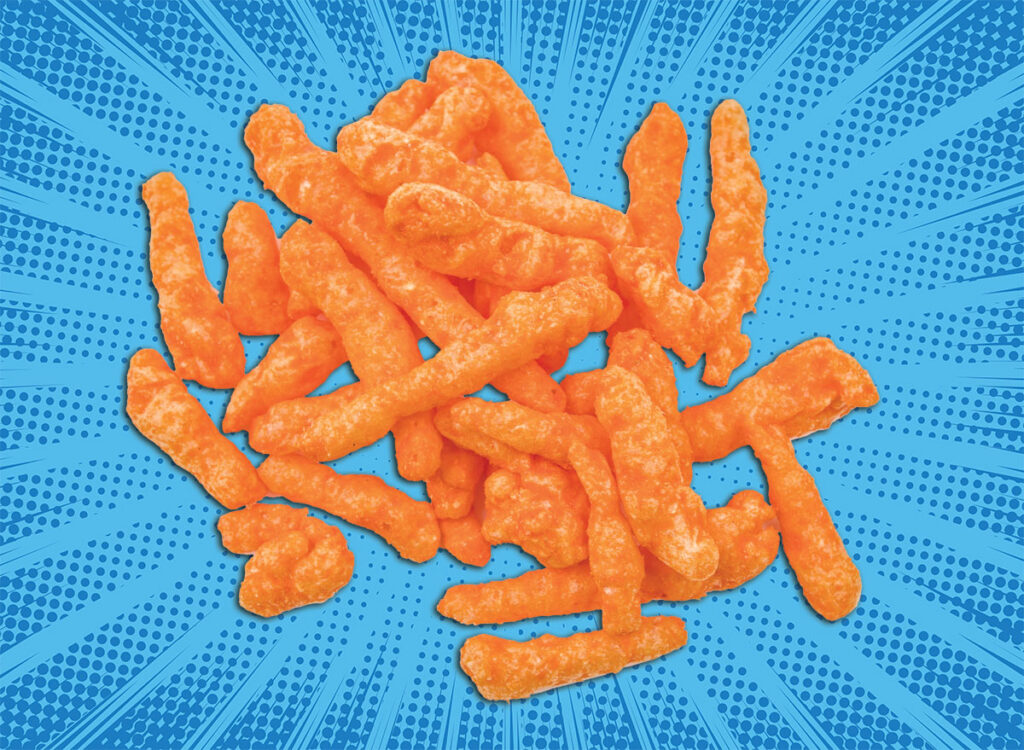
California has taken a significant step towards healthier eating by becoming the first state in the nation to ban ultraprocessed ingredients from school meals. This groundbreaking legislation aims to phase out unhealthy additives linked to serious health issues from the diets of K-12 students over the next decade. With nearly 1 billion meals provided to students annually, this law is set to reshape the nutritional landscape in schools across the Golden State.
According to Tasha Stoiber, a senior scientist at the Environmental Working Group (EWG), ultraprocessed foods, which often contain excessive sugars and unhealthy additives, are particularly targeted at children through vibrant packaging and enticing flavors. “Ultraprocessed foods are also marketed heavily to kids with bright colors, artificial flavors, hyperpalatability,” Stoiber explained. “The hallmarks of ultraprocessed foods are a way to sell and market more product.” These marketing strategies can lead to overconsumption and unhealthy eating habits at a young age.
As the law takes effect, major brands are already pivoting to remove artificial colors and flavors from their products. Notably, PepsiCo has announced that its beloved brands, Cheetos and Doritos, will introduce a new line called Simply NKD, which is free of artificial additives. "No color, no artificial flavors, same intensity — that’s Simply NKD. Doritos and Cheetos are pioneering a snacking revolution, or a renaissance, if you will,” stated Hernán Tantardini, PepsiCo's chief marketing officer. “We are reinventing our iconic — and most famous — brands to deliver options with the bold flavors fans know and love, now reimagined without any colors or artificial flavors.”
The push towards eliminating artificial ingredients is gaining momentum nationally. U.S. Health Secretary Robert F. Kennedy Jr. has also expressed concerns regarding food dyes, urging brands to expedite the removal of such ingredients before the end of 2026. “Overall, thousands of flavor chemicals are being added to foods without FDA oversight or review of the available safety information or the concentration used. The food additive review system is broken,” remarked David Andrews, a senior scientist at the EWG. He emphasized the importance of transparency, stating, “People have a right to know what is in their food.”
The ramifications of California’s new law extend beyond school cafeterias. As Assemblymember Jesse Gabriel, a Democrat from Encino, noted, “Our first priority is to protect kids in California schools, but we also came to realize that there is huge market power here. This bill could have impacts far beyond the classroom and far beyond the borders of our state.”
For years, health organizations have raised alarms about the adverse effects of artificial additives on children. The American Academy of Pediatrics has been vocal about the potential health risks posed by these substances, highlighting the urgent need for change. As parents and educators become more aware of these issues, the demand for healthier food options in schools is expected to grow.
In a landscape where the nutritional quality of food products is under increasing scrutiny, California's bold move could inspire similar actions in other states. The ban on ultraprocessed ingredients not only aims to protect the health of children but also encourages food manufacturers to rethink their formulations. As the conversation around food safety and nutrition evolves, it remains to be seen how these changes will reshape the food industry and influence consumer choices nationwide.
You Won't Believe the 5 Dumbbell Mistakes That Are Sabotaging Your Gains—Fix Them Now!
Is Your Browser Secretly Tracking You? 5 Shocking Reasons You MUST Upgrade NOW!

The AP Top 25 College Football Rankings Just Dropped—Did Your Team Make the Cut or Get Shockingly Snubbed? Find Out NOW!

You Won't Believe What Ryan Serhant Revealed About Manhattan's Real Estate Secrets—Is Your Dream Home at Risk?

Steelers' Shocking Deadline: Will Mike Tomlin's Future Hang by a Thread After THIS Embarrassing Loss?
Access Denied: What Hidden Secrets Are Keeping You from This Page? Find Out NOW!
You might also like: