
Is Your Favorite College Athlete Getting Richer? Shocking NIL Deals You Won't Believe!

The landscape of college athletics has been transformed since California's groundbreaking Fair Pay to Play Act (SB 206) was passed in 2019. This landmark legislation allowed college athletes for the first time to profit from their own name, image, and likeness (NIL). In the wake of California's lead, 35 states have enacted various NIL laws, creating a patchwork of guidelines governing how student athletes can capitalize on their popularity.
The passage of California's law marked a seismic shift in the NCAA's longstanding prohibition against compensating student athletes. Prior to this, athletes like Olympic skier Jeremy Bloom faced bans from their sports due to receiving endorsements, while schools profited immensely from selling merchandise adorned with players' numbers and licensing their likenesses for video games. The Fair Pay to Play Act not only allowed for compensation but also introduced measures aimed at maintaining transparency in athlete endorsements.
📰 Table of Contents
The Accelerating Adoption of NIL Rights
Initially planned to take effect in 2023, the Fair Pay to Play Act prompted a swift response from state legislatures concerned about competitive balance among their institutions. Florida, for example, passed its own NIL law in 2020, which became effective in July 2021. As more states embraced similar legislation, the NCAA was compelled to announce interim rules allowing athletes to profit from their NIL rights. However, despite these developments, the NCAA has yet to implement permanent regulations, leading to a diverse range of laws across the country.
As of now, NIL policies differ significantly by state. These variations encompass disclosure requirements, industries eligible for endorsements, and even the participation of high school athletes in NIL activities. Some states have already amended their laws to facilitate schools assisting students in securing NIL contracts, further complicating the regulatory landscape.
The recent House v. NCAA lawsuit settlement in 2025 introduced an additional dimension to athlete compensation. This ruling permits schools to directly pay student athletes up to $20.5 million annually, with the cap set to rise to $32.9 million by the end of the decade. This funding is separate from NIL deals and primarily benefits football and men's basketball programs, which drive the majority of revenue for athletic departments.
For instance, Texas Tech allocates approximately 74% of its compensation funds to football, with 17-18% going to men’s basketball, leaving only a small percentage for women's sports. This distribution raises potential Title IX challenges regarding equitable treatment of male and female athletes across federally funded programs. Female athletes have already contested the settlement in court, but the outcome remains uncertain.
Emerging Challenges for Student Athletes
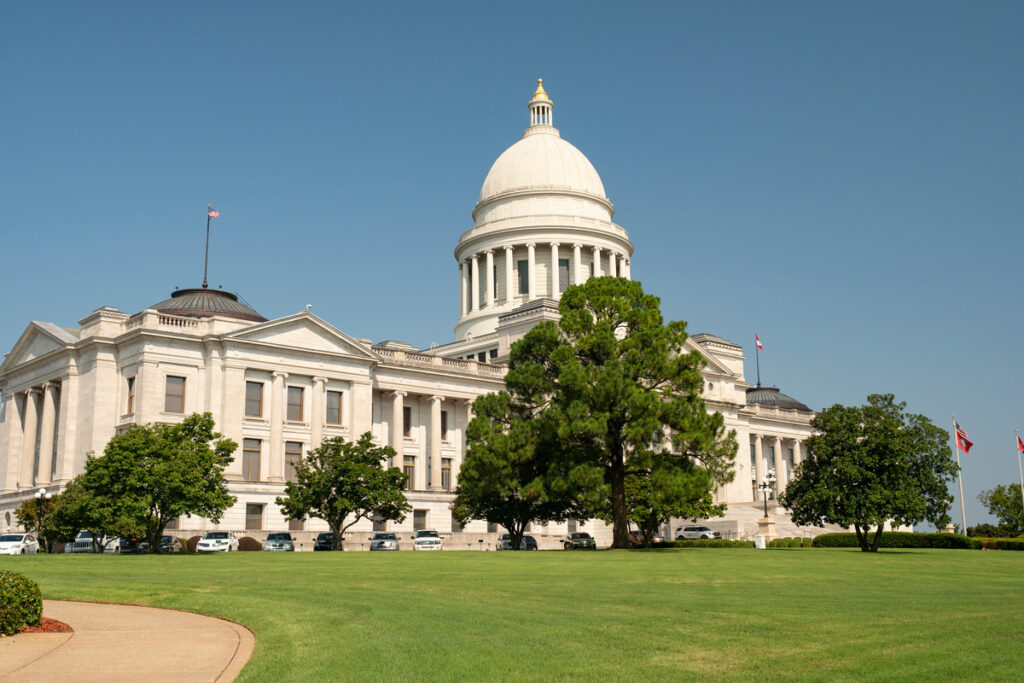
As the NIL landscape evolves, new challenges are surfacing. One pressing issue is the tax implications for student athletes entering lucrative endorsement deals. With some earning multimillion-dollar contracts, many face substantial state income tax liabilities. Since athletes often compete in various states, they may also be subject to taxes in those locations. In response, legislators in seven states are considering tax exemptions for NIL income, with Arkansas already enacting such a law.
Moreover, federal involvement in NIL compensation is increasing. An executive order issued by former President Donald Trump defines and seeks to eliminate “fraudulent” NIL deals exceeding fair market value. This order aims to regulate the growing influence of third-party collectives that raise funds for athletes while threatening the financial stability of schools that don’t comply.
With the lack of a cohesive federal framework, states are continuing to play an instrumental role in shaping the college sports landscape. Questions linger about how state legislatures can provide protections for athletes from exploitative practices and how direct compensation affects athletes' employment status. The Institute for State Policy Leaders is set to address these issues during a “Chaos in College Sports” webinar on April 30, moderated by Marvin Yates from MultiState.
In the rapidly evolving world of college athletics, the repercussions of the NIL movement are being felt across the board. While student athletes now have more opportunities than ever to leverage their personal brands, the journey toward equitable and sustainable compensation remains fraught with challenges. The outcomes of ongoing legal battles and legislative efforts will undoubtedly shape the future of college sports for years to come.
Why Alexandria Real Estate (ARE) Just Plummeted to a Shocking 17-Year Low – What Analysts Aren't Telling You!

Sony’s Secret Lobbying: Are Video Games About to Get EXPENSIVE? Shocking Tariff Details Inside!

Olympus Shocks the World: How They Finally Defeated Alta After 25 Years—What It Means for the Future!

Shocking! Health Inspectors Turned Away 10 Times—What’s Really Happening Inside the ICE Center?

You Won't Believe What Happens to Don’t Worry Snacks in Shark Tank Season 17 – Shocking Twist Revealed!
You Won't Believe What Palomar College's Power Hitters are Hiding—Discover Their Secret Weapon Now!
You might also like: