
Is Your Favorite Chocolate About to Disappear? The Shocking Truth Behind Climate Change Prices!

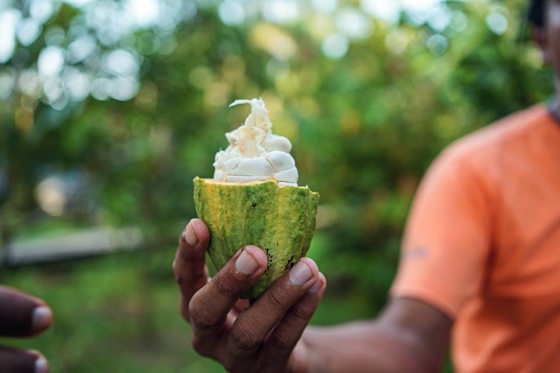
As concerns mount over the future of chocolate production, a stark warning echoes from the vibrant fields of Belém, Brazil. Adriana Reis, a biologist and founder of the Brazil Cocoa Innovation Center, recently spoke at a local event, expressing her deep fears about the future of cocoa in chocolate manufacturing. “I’ve already eaten a ‘cocoa-free’ chocolate, and the taste was surprisingly similar,” she remarked, underscoring a troubling trend that could redefine the confectionery industry.
Reis, who has dedicated over 25 years to the study of cocoa, represents a growing group of experts worried about the sustainability and affordability of traditional chocolate. The concern is not merely about taste, but about the viability of an industry that has faced numerous challenges over the years, including climate change, pest infestations, and increasing production costs.
Chocolate, a beloved treat enjoyed by millions across the globe, is facing a potential crisis. According to various studies, the production of cocoa—the key ingredient—has been declining. The International Cocoa Organization reported a significant drop in global cocoa production, which poses a threat not just to manufacturers but also to farmers who depend on cocoa for their livelihoods.
Moreover, the increasing popularity of “cocoa-free” alternatives, which use synthetic ingredients to mimic the flavor and texture of chocolate, reflects shifting consumer preferences. These products are often marketed as more sustainable and affordable, appealing to a growing market that prioritizes health and environmental concerns. But this trend raises serious questions about the future of cocoa farming and the communities that depend on it.
The implications of this shift are vast. For consumers, the rise of cocoa-free chocolate may provide cheaper options, but it could also dilute the traditional experience of enjoying rich, authentic chocolate made from cocoa. For farmers, the move towards synthetic alternatives could threaten their livelihoods, pushing them to abandon cocoa farming altogether.
Reis emphasized the importance of innovation in cocoa farming practices to ensure the crop's sustainability. “We need to invest in research and development to help farmers adapt to changing conditions and improve yields,” she stated, suggesting that technology and education could play vital roles in securing the future of cocoa production.
As the chocolate industry grapples with these challenges, the need for a balanced approach becomes clear. While alternatives may provide short-term solutions, the long-term health of the cocoa industry and the communities it supports must remain a priority. This delicate balance between innovation and tradition will determine how future generations experience chocolate.
In a world where consumer preferences are rapidly evolving, the chocolate industry stands at a crossroads. The key to its survival may lie in embracing both traditional practices and innovative solutions, ensuring that the rich heritage of cocoa can continue to thrive amidst changing tastes and economic pressures.
Shah Unveils Shocking Tech Secrets to Tackle Border Crisis—Is India Prepared for the Impact?

$1 Trillion Tech Sell-Off: Is the AI Bubble About to Burst? What Investors MUST Know NOW!

Mavs Shock Fans: Could This NBA Superstar’s Return Cost Them Their Future? Find Out Now!

Is Your Colorado Insurance Plan Keeping You From Your Health? Shocking Costs Exposed!

Governor Lombardo’s Shocking New Bill: What 10,000 Lives Could Be Impacted Overnight!

iPhone's Shocking New Feature Could Change Everything—Are You Ready to Be Left Behind?
You might also like: