
Is Your Child's Health at Risk? Discover the Shocking Truth Behind the New Vaccine Schedule!

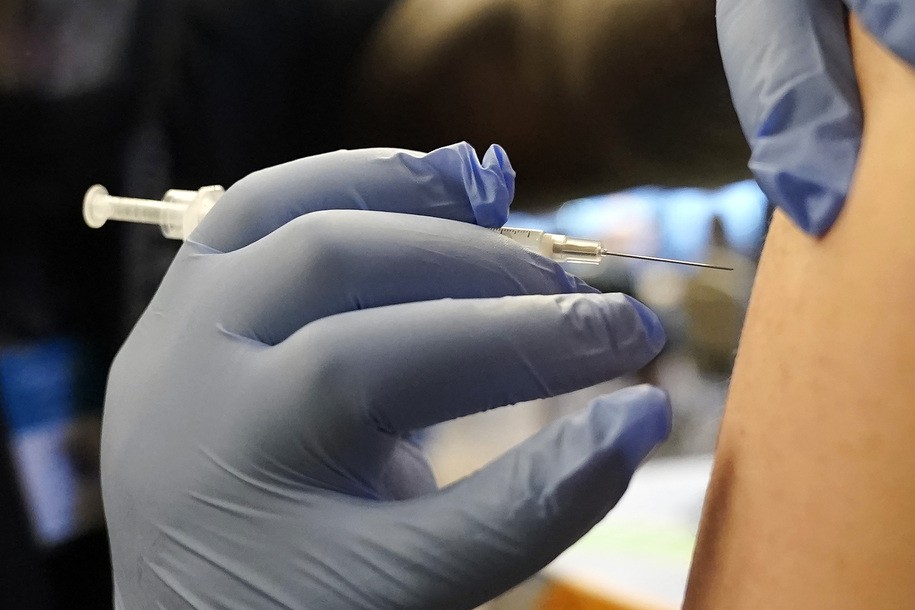
In a controversial shift, the federal government has announced a significant reduction in the number of vaccines it formally recommends for children in the United States. While officials insist that this change will not alter vaccine access for families, public health experts are raising alarms about the potential implications of such a decision. This move, which reduces the recommended childhood vaccine schedule from 17 to 11 diseases, is perceived by many as abrupt and confusing, especially for parents of young children.
On Monday, the Centers for Disease Control and Prevention (CDC) revealed that the new recommendations are based on a "comprehensive scientific assessment." However, the agency did not consult a key federal vaccine panel, which has long played a crucial role in shaping vaccine policy. Acting CDC Director Jim O'Neill stated that the changes are intended to align the U.S. vaccine schedule with those of "peer" countries, but many experts contend that this approach overlooks the unique healthcare landscape in America.
Dr. Sean T. O'Leary, chair of the Committee on Infectious Diseases for the American Academy of Pediatrics, expressed concern about the confusion this decision may create among parents. "We recognize parents are hearing a lot of information right now, and a lot of it is really confusing and really misleading," he noted during a media briefing. The stakes are high, as the CDC's recommendations significantly influence insurance coverage and vaccine availability.
The New Recommendations
The updated childhood vaccine schedule now includes recommendations for vaccines against:
- Diphtheria
- Tetanus
- Acellular pertussis (whooping cough)
- Haemophilus influenzae type b (Hib)
- Pneumococcal conjugate
- Polio
- Measles
- Mumps
- Rubella
- Human papillomavirus (HPV)
- Varicella (chickenpox)
Notably, the HPV vaccine will now require only one dose instead of two, based on a recent study published in the New England Journal of Medicine that found one dose to be highly effective.
In addition to the universal recommendations, federal officials will recommend vaccinations for six diseases only for children in "certain high-risk groups or populations," including:
- Respiratory syncytial virus (RSV)
- Hepatitis A
- Hepatitis B
- Dengue
- Meningococcal ACWY
- Meningococcal B
The criteria for high-risk groups include factors such as unusual exposure to diseases or underlying health conditions. Some experts, including Dr. Paul Offit, director of the Vaccine Education Center at the Children’s Hospital of Philadelphia, have criticized the lack of context in these new definitions, particularly concerning the hepatitis A vaccine, which can be contracted through food contamination.
Furthermore, the CDC has introduced a "shared clinical decision-making" approach for several vaccines that were once universally recommended. This means that parents and healthcare providers will have more discretion in deciding what vaccines are necessary for their children. However, Dr. O'Leary emphasized that pediatricians already engage in detailed discussions about vaccinations, and this new terminology may add to the confusion.
Despite assurances from federal officials that the changes will not affect vaccine access, concerns persist regarding potential downstream impacts. Dr. O'Leary noted that some healthcare providers may choose to stop stocking vaccines that are now categorized under shared decision-making, potentially limiting availability. Additionally, local laws may restrict pharmacists from administering vaccines that are not universally recommended, further complicating access in some areas.
Parents wanting to ensure their children receive vaccines beyond the newly recommended 11 will still have options, as all vaccines listed on the schedule will remain available and covered by insurance. Federal Health and Human Services (HHS) officials have stated that no additional costs will be incurred for families seeking vaccinations.
The announcement has sparked considerable backlash from medical groups, with the American Academy of Pediatrics describing the changes as "dangerous and unnecessary." Critics argue that such alterations could contribute to declining vaccination rates and a subsequent rise in preventable diseases. The Infectious Diseases Society of America condemned the decision as "irresponsible," further stressing the need for a transparent decision-making process in public health.
As families grapple with these changes, turning to trusted healthcare providers is essential for understanding the implications of the new vaccine schedule. Many pediatricians continue to rely on the American Academy of Pediatrics' vaccination schedule, which remains a gold standard for keeping children healthy. The evolving landscape surrounding vaccination recommendations underscores the importance of informed discussions between parents and healthcare professionals.
The situation remains fluid, and as public health groups work to navigate the confusion caused by these changes, parents are urged to seek credible, science-backed vaccine recommendations. In an era marked by misinformation, ensuring that children receive the necessary vaccinations is paramount for community health and individual well-being.
You Won't Believe What Happens When Access is Denied—Find Out the Shocking Truth Now!
Germany Shocks World: RFK Jr. Claims About Vaccine Exemptions EXPOSED! What They're Hiding!

You Won't Believe What Homes in Camden County Sold For Last Week – Shocking Prices Inside!

Shocking Secrets Behind W.O.L.F. Fitness Sewell's Exclusive Pre-Launch Package – Don’t Miss Out!
Will Devin Booker’s Shocking Season Reveal Cause Giannis to Crumble? Discover the Unthinkable!

Why Did Apple’s Top iPhone Designer DITCH His Job for a Mysterious AI Startup? Shocking Secrets Inside!
You might also like: