
Is Your Child Next? The Shocking Truth About a Social Media Ban for Under-16s!

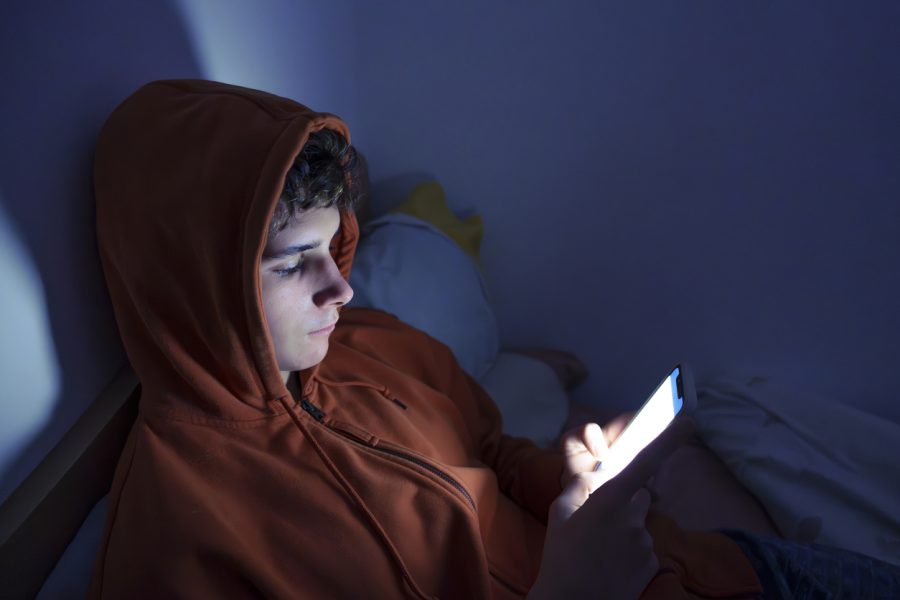
This week, the British government launched a pilot program aimed at regulating social media use among teenagers, as it grapples with developing a formal social media policy. The initiative, which involves 300 adolescents, will impose varying restrictions on their social media access over the next six weeks, ranging from time limits to outright bans. However, recent legal developments suggest that the urgency for effective policies is more pressing than ever.
On Wednesday, a Los Angeles jury found tech giants Meta and Google guilty of intentionally creating addictive social media platforms detrimental to the mental health of minors. The jury awarded £4.5 million in damages to 20-year-old plaintiff Kaley, who claimed that her childhood was irreparably harmed by her use of these platforms. This landmark verdict could pave the way for hundreds of similar cases, as more individuals hold these companies accountable for perceived damage to their youth.
On the same day, the House of Lords in the UK endorsed an amendment to the Children’s Wellbeing and Schooling Bill, introduced by former minister for schools Lord Nash. This amendment aims to raise the age limit for accessing harmful social media platforms to 16. “The government risks being on the wrong side of history,” warned Lord Nash, pointing out that at least Australia has taken steps to protect young people from the adverse effects of social media.
The evidence that social media has a negative impact on children’s development is incontrovertible, yet the government keeps trying to fob off parents rather than accept that there is a need for an amendment like this.
Ironically, members of the House of Lords, averaging around 70 years old, seem to be moving more swiftly on this issue than the current Labour government. While the government has stalled and called for public consultations regarding potential bans, the Lords are advocating for immediate action, eschewing lengthy deliberations.
Concerns about the impact of social media on children are not new. Last year, Baroness Bertin raised alarms in the Lords about the disturbing accessibility of violent pornography, including choking and incest-related content, available at just a few swipes on popular platforms like TikTok. She recommended making harmful online pornographic content illegal, particularly that which features degrading and violent themes.
Parents, especially those who have lost children to the dangers associated with social media, are increasingly vocal in their demand for stringent regulations. Parent groups have criticized the government's consultations for focusing on the perceived "benefits" of social media while ignoring the damaging impacts on children’s well-being.
Medical professionals have joined the fray, echoing parental concerns. Dr. Becky Foljambe, a campaigner with the organization Safe Screens, stated:
In our daily practice, we are seeing how addictive these platforms are, pulling in our children in a narcotic-like fashion to see content that is appalling and unregulated. The screens are damaging eyesight, sleep, speech, and language development, which are core to their social skills.
The teaching union NASUWT has also called for a ban on social media for those under 16. Teachers report that students, accustomed to consuming content in three-second clips, struggle to focus on longer texts, such as the over 400 pages of Great Expectations. Bex Morse, a secondary school teacher at Canterbury Academy, supports this view:
There can be no doubt that the use of social media is having a negative effect on our young people and their families. We need to upskill parents in how to navigate these muddy waters and support them in having difficult conversations around social media.
Among the most poignant voices in this debate is Ellen Roome MBE, who believes her 14-year-old son Jools may have fallen victim to a dangerous social media challenge before his untimely death. She challenges critics of social media regulation:
Stop! We’ve had enough. This is not about stomping on anyone’s liberty. This is about protecting children from vicious images and from paedophile groomers who can track them through their phones.
While Australia has implemented a social media ban for those under 16, the impact of such measures on youth well-being remains under scrutiny. In contrast, the UK government appears negligent, leaving children vulnerable in an unregulated digital landscape.
Don’t Miss Out! Shocking Discounts on Garmin & Apple Fitness Trackers—Save Up to 70% Before They're Gone!

You Won't Believe What's Inside This $3 Million Hanover Dream House—View the Shocking Details!

Is Your Dream Home Losing Value? Shocking Light Pollution Stats from W.Va. Revealed!

Why These 5 Shocking Developments in Scranton and Wilkes-Barre Will Change Everything – Don’t Miss Out!
Ohio and Michigan Face a Dire Shortage of Mental Health Workers—Is Your Loved One at Risk?

Bronny James Drops a Jaw-Dropping 45 Points—Is He Now the G-League's Next Big Star?
You might also like: