
Is Victoria’s January Blossoming a Climate Change Emergency? Experts Reveal Shocking Truth!

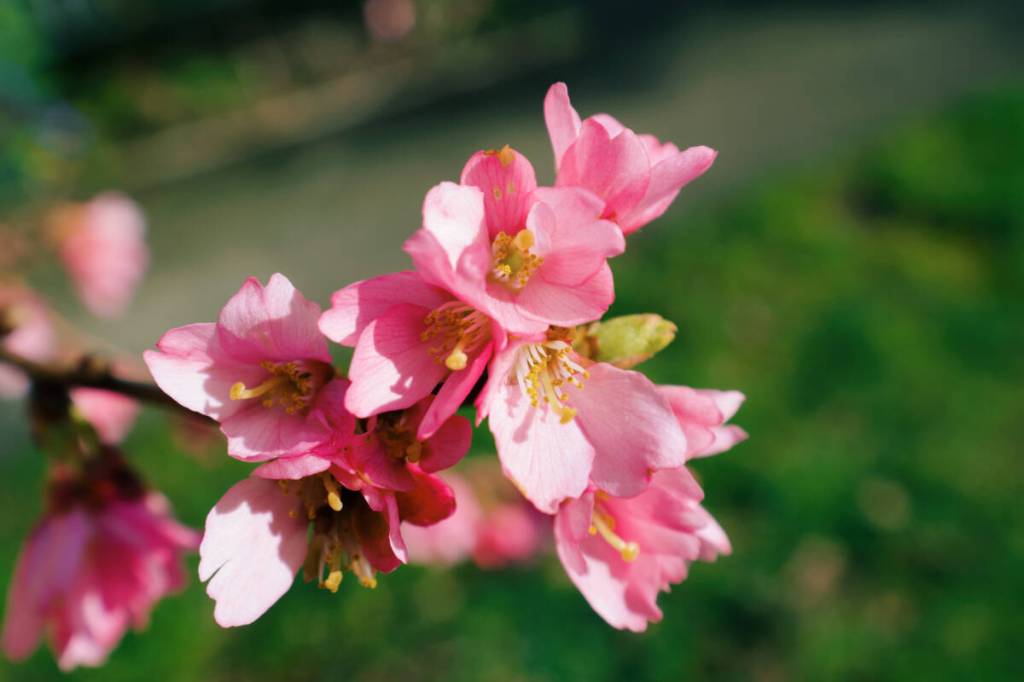
Experts are sounding the alarm as early spring blossoms appear in Victoria, British Columbia, this January, marking a noteworthy change attributed to climate change. For years, the capital city has taken pride in its mild climate and early blooming flowers, but the 2026 season is raising eyebrows among those who walk the streets and parks of this picturesque region.
Traditionally, flowers begin to bloom in Victoria during the late winter months. However, avid walkers have reported seeing an unusual abundance of blooms since late December, a phenomenon that is drawing mixed reactions on social media. Some locals are sharing their excitement, while experts caution that this early display might not be a cause for celebration.
According to Andrew Weaver, a professor at the University of Victoria's School of Earth and Ocean Sciences, the unexpected blossoms are indicative of a broader pattern linked to climate change. Weaver emphasizes that human activity—specifically, the unchecked release of greenhouse gases—has led to a global warming trend that affects local weather patterns. “This is exactly what we would expect with a warming world,” he explained, pointing to the increased moisture and warmer winters as contributing factors to the early bloom.
Weaver also notes that warmer temperatures in the region have been a trend for the last 40 years, particularly since the late 1980s. However, he warns that while the overall trend points toward warmer winters, it doesn’t guarantee a consistent pattern year-to-year. “It means that there’s a trend, but there’s still lots of wiggles,” he said, suggesting that next year could see a colder winter, but the likelihood of warmer winters is increasing steadily.
This year, the unusual warmth comes despite the current La Niña conditions, which typically signal colder winters in this area. The phenomenon has also led to noticeable changes in bird migration patterns, further illustrating how climate change is shifting local ecosystems.
Barbara Hawkins, a biology professor at the same institution, adds another layer to this narrative. She notes that plum blossoms are among the earliest bloomers in the area, typically triggered by warmer temperatures in late February and early March. “Because we haven’t had any winter cold, and we’ve had all this nice warm weather above probably 5 degrees Celsius, they accumulate heat, and then they flush,” she said, explaining how the trees lose their hardiness and begin to grow again.
A major concern for both experts is the risk posed by temperature fluctuations. Hawkins warns that if trees de-harden too quickly and a late frost occurs, it could lead to severe damage to new growth. “If it happens over and over again, then eventually they would die because it uses a lot of reserves to kill off all the growth and then make some new growth,” she noted.
Interestingly, some readers of Black Press Media have pointed out that many of the early blossoms could be attributed to specific varieties of plum and cherry trees that traditionally bloom in the fall or winter. “I’ve been wandering around Victoria taking photos of winter blooms for more than 40 years, and I’ve noticed that there are some specific trees that always bloom early—regardless of whether it’s a cold winter or a mild one,” shared local resident Susanne Deacon.
Another local, Steven Murray, echoed her sentiments and emphasized that while the volume of blossoms may seem unusual this year, the phenomenon itself is not entirely new.
As Victoria grapples with the implications of these early blooms, the reality of climate change looms larger than ever. The data and observations provided by local experts illustrate a complex interaction between weather patterns and ecological shifts, a reminder of how interconnected our climate systems are. Whether these early blossoms will serve as a wake-up call for greater environmental awareness remains to be seen, but they certainly provide an opportunity for reflection on the effects of climate change in our own backyards.
Nick Fuentes EXPOSES shocking truths about social media's hidden agenda—Are YOU being manipulated?
You Won't Believe How A&E Real Estate Just Cost This City $2.1 Million – Find Out Why!

Sammy Hagar's Shocking 'Best of All Worlds' Tour: Why You MUST See Him in MI or Regret Forever!

You Won't Believe What Life Time Has Planned for 2026: Shocking Events That Could Change Everything!

Flags at Half-Mast: What Shocking Secret About Dick Codey Will Leave You Speechless?

You Won't Believe How Northeastern's Shocking New Program Is Transforming Student Lives!
You might also like: