
Is the TASE Outperforming Wall Street? Shocking Numbers Reveal a Hidden Goldmine!

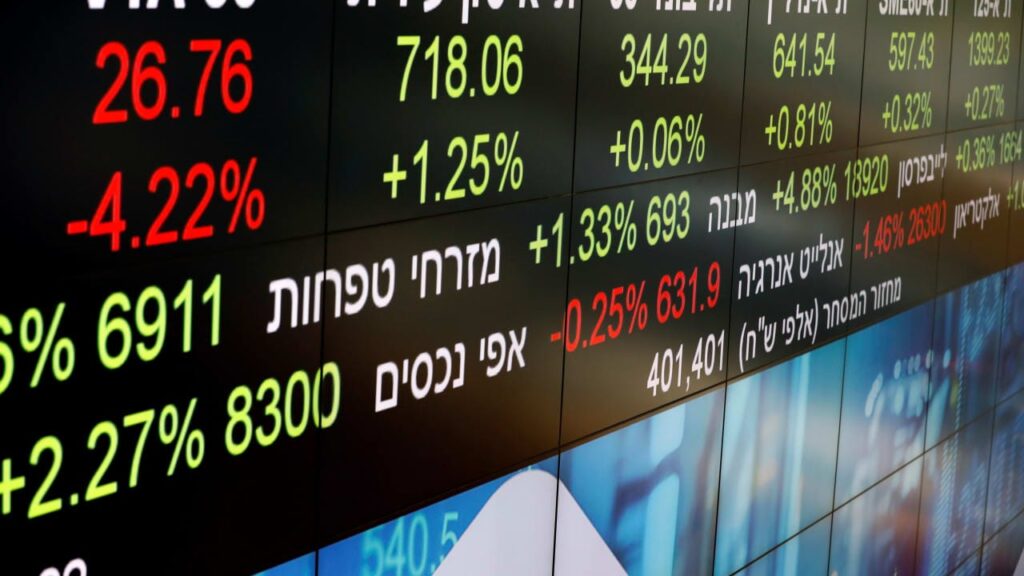
Recent developments in the Israeli economy have ignited optimism among investors, as highlighted by Sarit Steiner, a senior portfolio manager at Peilim Portfolio Management. Following a remarkable spike of 127% in the Tel Aviv 125 Index since the onset of the war in October 2023, Steiner remarked, “There is a very strong sense among the public of success, at least in the first phase of the campaign.” She believes that the Tel Aviv Stock Exchange (TASE) presents a more favorable investment landscape compared to the US market, primarily due to the current pricing levels and the potential for positive macroeconomic data as the situation stabilizes.
Steiner, who has dedicated over 20 years to managing investments at Peilim, attributes her financial acumen to her father's influence as a deputy manager in a banking branch. This foundation has shaped her analytical perspective on market opportunities. She emphasized, “The markets in Israel and the US are no longer trading at the comfortable pricing levels of the past, but there are still opportunities in sectors and specific stocks that have not yet reached their potential.”
Steiner predicts a further decline in interest rates by the Bank of Israel, which she suggests was already on the agenda prior to the war. This potential reduction is expected to catalyze strong growth, driven by private consumption and increased investments. Moreover, she noted that a robust shekel and moderate inflation will support the ongoing decline in interest rates, making the Israeli economy more appealing to investors.
📰 Table of Contents
Future Prospects for Israel's Economy
In light of these developments, Steiner is optimistic about the potential for rating agencies to reconsider Israel’s economic standing. “Assuming this is a successful campaign for Israel, the rating agencies will perhaps look at us a little differently, and consider raising the rating,” she stated. She also highlighted the transition to trading on Fridays and the recent listing of Palo Alto Networks on the TASE as significant steps toward enhancing the attractiveness of the local market for foreign investors.
While the Israeli market flourishes, Steiner expresses concerns regarding the US economy. Specifically, she points to high multiples in the technology sector and substantial AI investments that may not yield immediate economic justification. “When you neutralize the AI sector, growth in the US economy looks much more moderate,” she explained. This presents a stark contrast to the dynamic environment in Israel.
In the bond market, Steiner remains positive despite the significant capital gains achieved over the last year. She believes that even now, investors can attain a nominal return of 4%, which is appealing when compared to other solid alternatives. However, she advised focusing on highly rated corporate bonds, given the historically low yield spreads on government bonds.
For those looking to structure a robust investment portfolio, Steiner suggests allocating 18% to Israeli stocks and 12% to international stocks within a conservative portfolio. The bond component, she recommends, should consist of 40% corporate bonds and 30% government bonds, with a slight bias towards shekels (60%). In a more aggressive portfolio, she proposes increasing stock allocations to 30% for Israeli stocks and 20% for foreign stocks, while dedicating the remaining 50% to corporate bonds.
Sector-Specific Insights
Steiner identifies several sectors poised for growth within the Israeli market. The anticipated decrease in interest rates is expected to benefit income-producing real estate and renewable energy sectors significantly. “Reducing financing costs is expected to directly improve the profitability of companies in income-producing real estate and lead to revaluation gains,” she noted. The expected economic growth will also bolster demand for office spaces and shopping centers.
In particular, the renewable energy sector is gaining traction, bolstered by declining costs of solar panels and storage solutions which enhance its competitive advantage over traditional energy sources. Steiner predicts that as these costs continue to fall, the integration of green energy into the global production mix will accelerate.
Additionally, she encourages investment in natural gas partnerships, citing stable cash flow from long-term contracts and an expected increase in gas exports from Israel as a solid anchor for portfolios. Finally, the semiconductor industry stands out, with companies like Nova and Camtek providing diverse exposure to the global chip industry.
On the international front, Steiner highlights the biopharma sector as an attractive investment opportunity, propelled by demographic trends and advancements in AI-driven drug development. The chip and hardware sectors, essential to the infrastructure investments from major tech companies, also present promising opportunities. Lastly, the defense industry is anticipated to maintain stable growth due to rising demands in Europe and regions bordering China.
As the shekel trades at a record high of less than NIS 3.08 against the dollar, Steiner believes that the currency will maintain its strength, bolstered by a current account surplus, rising gas exports, and the gains from US markets. However, she cautions that significant declines on Wall Street or aggressive interest rate cuts by the Bank of Israel could alter this outlook.
In summary, as the Israeli economy navigates through these turbulent times, the underlying opportunities in various sectors reinforce the outlook for robust growth, making it an appealing destination for investors both locally and globally.
You Won’t Believe What North Carolina College Just Added to Vending Machines—Healthy Meals? Shocking Details Inside!

You Won't Believe How Samsung's 5.1-Inch Phone Transforms Into a Jaw-Dropping 6.7-Inch Marvel!

Trump's Oil Crisis Blunder: Why Global Markets Are Spiraling Downward! You Won’t Believe the Numbers!

Urgent Recall: Millions of Beef Jerky Packs Linked to Dangerous Contamination - Are You at Risk?
You Won't Believe the Shocking Secrets Uncovered in St. George Hospital's 100-Year Medical History!

California Democrats in Chaos: Is the Party Chair's Shocking Ultimatum About to Change Everything?
You might also like: