
Is the Stock Market on the Brink of Collapse? Shocking Trump Catalyst Revealed!

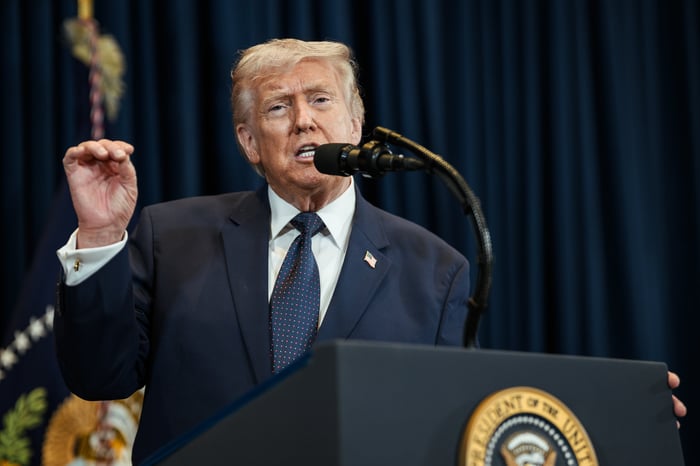
Since Donald Trump took office, the stock market has experienced extraordinary growth, with the Dow Jones Industrial Average, S&P 500, and Nasdaq Composite consistently outperforming historical averages. As of April 24, 2026, both the S&P 500 and Nasdaq Composite hit record-closing highs, with the Dow not far behind. During Trump's presidency, the Dow gained an impressive 57%, the S&P 500 rose by 70%, and the Nasdaq surged by a remarkable 142%.
Several factors have contributed to these impressive stock market returns. One of the most significant elements was the Tax Cuts and Jobs Act (TCJA), enacted in December 2017, which reduced the peak marginal corporate income tax rate from 35% to 21%. This marked the lowest peak corporate tax rate since 1939, allowing companies to retain more of their earnings. While some firms invested in hiring and innovation, the act led to a massive increase in share buybacks, with S&P 500 companies repurchasing shares worth over $1 trillion in 2025.
However, recent geopolitical tensions, particularly the ongoing conflict in Iran, may threaten to shift the bullish market sentiment. As of late April 2026, inflationary pressures resulting from this conflict have already begun to emerge. The military actions ordered by Trump against Iran, which began in late February, disrupted the Strait of Hormuz, a crucial passageway for around 20% of the world's oil supply. This supply disruption has triggered a rise in energy prices and, subsequently, inflation. According to recent data from the Federal Reserve Bank of Cleveland, the trailing 12-month inflation rate jumped from 2.4% in February to an estimated 3.56% in April.
Typically, a spike in inflation would not be catastrophic for the stock market; however, the current scenario is unique. The S&P 500 is already trading at its second-highest valuation in 155 years, as measured by the Shiller Price-to-Earnings Ratio. Investors have been anticipating interest rate cuts to support this elevated market, but with inflation on the rise, the Federal Reserve may find it necessary to reconsider its monetary policy. As of April 23, market probabilities indicated a greater chance of an interest rate hike rather than a cut by mid-June 2026.
The implications are significant: if the Federal Reserve alters its stance on inflation or decides to hike interest rates, a stock market downturn could become a distinct possibility. Trump's actions have placed the financial institution in a difficult position, and any changes in policy could trigger a market sell-off.
While the stock market has thrived under Trump's leadership, it has not been without its challenges. The president has overseen two notable market crashes: the abrupt decline during the initial COVID-19 outbreak in early 2020 and the "tariff tantrum" in April 2025. These events serve as reminders of the volatility that often accompanies economic prosperity.
For investors considering whether to buy into the S&P 500 at this juncture, it's essential to weigh the potential risks against the historical performance. While the current momentum may seem promising, the looming threat of rising inflation and changes in interest rate policy could pose significant challenges. A cautious approach may be prudent as we navigate these turbulent waters.
The current state of the stock market under Trump illustrates a complex interplay between aggressive fiscal policy, global conflicts, and the ever-evolving economic landscape. As investors look to the future, understanding these dynamics will be crucial in making informed decisions.
In conclusion, while the stock market has enjoyed unprecedented gains during Trump's presidency, the geopolitical tensions and inflationary pressures stemming from recent decisions could alter this landscape dramatically. Investors will need to stay vigilant as they consider their next moves in an uncertain economic environment.
You Won't Believe What NFL Insider Just Said About Commanders LB Sonny Styles—Prepare to Be Shocked!

Did You Expose Your Family? Shocking New Measles Risk Uncovered in Northern Virginia!

Why Most Global Expansion Strategies Fail in Korea: Discover the Shocking 87% Rate!

Is Ari Real Estate’s Shocking 200% Earnings Spike the Secret to Your Next Big Investment?

Unlock the Secret: How 7 Minutes of This Online Class Can Transform Your Dance, Strength, and Balance—Don’t Miss Out!
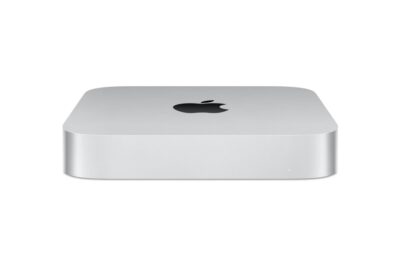
Apple’s Shocking Move: 256GB Mac Mini Disappears Overnight—Is a Major Price Hike Coming?
You might also like: