
Is the iPhone Air's Shocking Failure the Final Nail in the Coffin for Ultra-Thin Xiaomi and Vivo Phones?

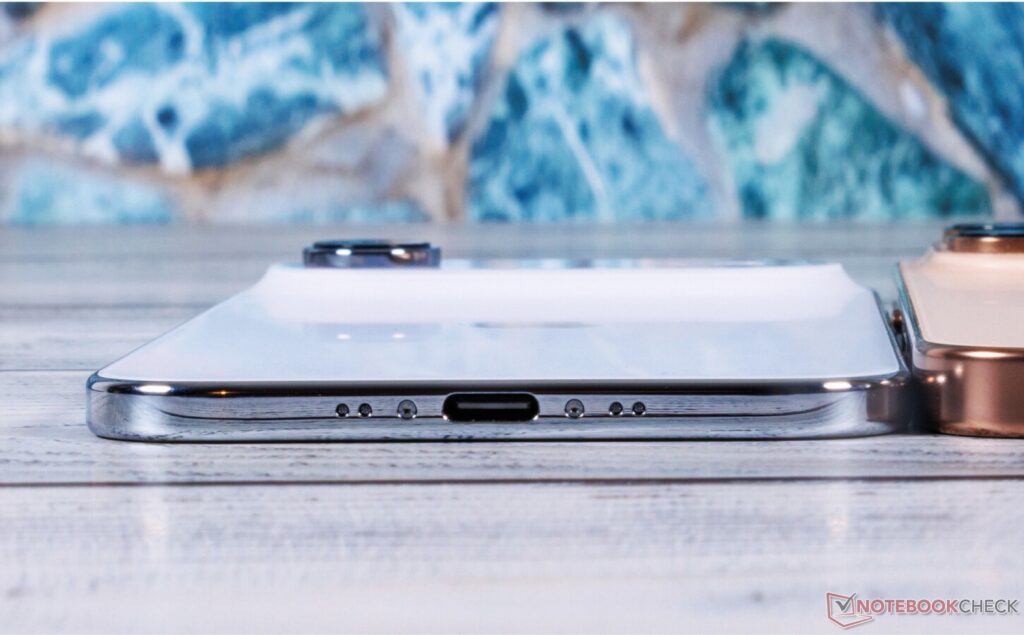
Apple's latest entry into the smartphone market, the iPhone Air, is making headlines not just for its ultra-thin design, but for the compromises that come with it. At a mere 5.6 mm (0.22 in) thick, the iPhone Air claims the title of one of the thinnest smartphones available, surpassing even competitors like the Samsung Galaxy S25 Edge and the Motorola Edge 70. However, achieving this sleek profile has required significant trade-offs that have raised eyebrows among tech enthusiasts and consumers alike.
The most notable compromise is the smaller 3,149 mAh battery, which is less powerful than those offered by most of its competitors. Additionally, the iPhone Air lacks ultrawide and telephoto cameras, features that are available on Apple’s Pro models. These omissions appear to be affecting sales adversely, with reports suggesting that production of the iPhone Air may cease by the end of November.
According to anonymous industry sources cited by DigiTimes, Apple's struggles with the iPhone Air could prompt competitors like Xiaomi, Vivo, and Oppo to rethink their strategies for ultra-thin devices. Xiaomi had been working on a smartphone that was almost as slim as the iPhone Air, but that model has reportedly been put on hold. With both the iPhone Air and the Samsung Galaxy S25 Edge—whose subsequent model has also been scrapped—failing to gain traction in the market, it seems that a shift in focus may be on the horizon for manufacturers aiming to compete in this segment.
The question now is whether the Motorola Edge 70 will resonate with consumers more effectively. Priced more affordably than both the iPhone Air and Samsung’s offerings, the Edge 70 boasts not only a larger 4,800 mAh battery but also dual 50 MP rear cameras. This combination of features may make it a more appealing choice for buyers who prioritize functionality alongside design.
As the smartphone landscape evolves, it’s important to consider what this trend means for consumers and the broader tech market. The obsession with creating thinner devices has often led manufacturers to make sacrifices in battery life and camera capabilities, both of which are key factors in user satisfaction. The iPhone Air’s perceived failure may signal a turning point where consumers begin to prioritize these features over mere aesthetics.
Moreover, the anticipated release of a second-generation iPhone Air, rumored to hit the market in 2027, raises further questions about Apple’s long-term strategy. Will the company continue to chase the ultra-thin trend, or will it reconsider its approach to better align with consumer desires for longevity and utility?
In the ever-competitive smartphone arena, the implications of the iPhone Air’s performance extend beyond Apple. As manufacturers reassess their designs, the market may see a shift back to devices that provide a better balance of thickness, functionality, and price. Ultimately, the story of the iPhone Air serves as a cautionary tale about the risks of prioritizing form over function in technology.
Your Browser is Outdated: Discover 5 Shocking Risks You're Ignoring Right Now!
This 10p drink could obliterate your snack cravings within MINUTES—find out why experts are stunned!

Lakers vs. Mavs: Don’t Miss the SHOCKING Black Friday Showdown – What Channel to Watch?

Why Are Americans Spending 50% More on Fitness? The Shocking Truth Behind This New Status Symbol!

10 Surprising Foods You Must Avoid NOW to Crush Cravings—#6 Will Shock You!
Is Pakistan on the Brink? Shocking Climate Change Predictions That Could Devastate Millions!
You might also like: