Is the College Football Calendar DOOMED? 5 Shocking Changes That Could Change Everything!

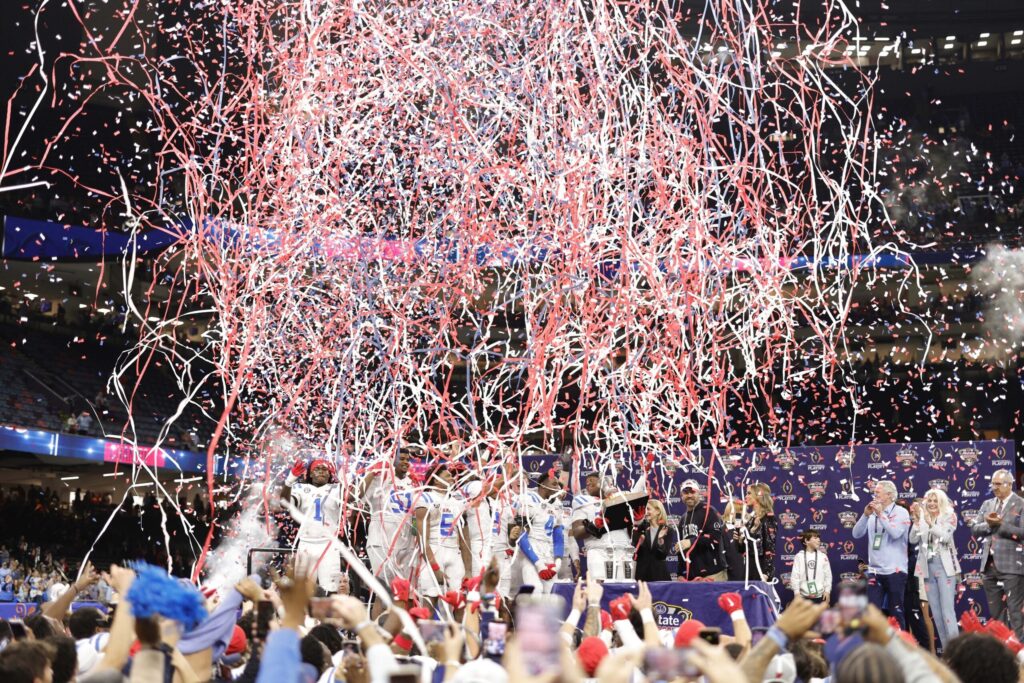
The college football (CFB) calendar is undergoing significant turmoil, leaving teams grappling with challenges as they prepare for crucial playoff games. As the Transfer Portal opened on January 2nd and will remain open for just 15 days, programs are under pressure to transform their rosters while simultaneously gearing up for two critical playoff matchups. With the regular season concluding on November 30th, the chaos kicked off on December 1st, highlighting the discord between postseason preparations and roster management.
On January 8 and 9, Ole Miss and Miami will face off in the Vrbo Fiesta Bowl, while Oregon and Indiana will contend in the Chick-fil-A Peach Bowl. Yet, with coaching staff transitions and recruitment efforts competing for attention, it raises the question: how can these teams stay focused on their upcoming opponents amidst such distractions?
The CFB calendar presents a relentless schedule, with significant dates lined up as follows:
- December 3 – 5: High School National Signing Day
- December 5 – 6: Conference Championship Weekend
- December 8 – January 2: Bowl Season
- December 13: Army-Navy Game and Heisman Trophy
- December 19 - 20: First Round Playoff Games
- December 31 – January 1: Quarterfinal Games
- January 2: Transfer Portal Opens
- January 8 and 9: Semifinal Games
- January 16: Transfer Portal Closes
- January 19: National Championship Game
This frenetic sequence has raised eyebrows, with many calling the calendar "bananas." Nowhere is this more evident than in the ongoing drama between Ole Miss and LSU. Following Lane Kiffin's abrupt departure from Ole Miss to lead LSU, the coaching situation has created confusion and uncertainty. On December 8, Chase Parham of 247 tweeted that running backs coach Kevin Smith would not return to Ole Miss for the playoffs, while Charlie Weis Jr. was reportedly the only LSU assistant expected to continue with the Rebels in the playoffs. Just seven minutes later, CBS Sports' Brandon Marcello tweeted that Pete Golding, now at Ole Miss, expected all of Kiffin's staff to coach through the playoffs. This chaotic environment can lead to disjointed preparations for the playoffs.
As Kiffin and some staff transition to LSU, Golding, the new Ole Miss head coach, is focused on his current players. “I don’t know. Do you know if you’re going to show up at work tomorrow? We don’t know; it’s grown people making decisions,” Golding commented, reflecting the uncertainty surrounding the roster. However, he remains confident about the team's readiness for the Fiesta Bowl.
Meanwhile, the situation in Oregon presents a different set of challenges. Head coach Dan Lanning faces the impending loss of both his coordinators. Defensive Coordinator Tosh Lupoi will head to his alma mater, Cal, as their new head coach, while Offensive Coordinator Will Stein prepares to take over at Kentucky. Despite the impending changes, Lanning emphasized adaptability: “We can handle chaos, and we’re really malleable. We understand that college football right now is about change.” His approach contrasts with Ole Miss's struggles, indicating that some programs may be better equipped to handle the dual pressures of playoff preparation and roster management.
Other teams, such as Indiana and Miami, also navigate their unique challenges. Indiana’s head coach Curt Cignetti mentioned that they have 13 players currently in the Transfer Portal, complicating their preparation for the Peach Bowl. Similarly, Miami's Mario Cristobal dismissed any concerns regarding the potential impact of Ole Miss's coaching situation on his team's preparation, stating it would have “zero impact.”
As the college football landscape continues to evolve, the chaos surrounding the Transfer Portal and playoff preparation raises questions about the effectiveness of the current CFB calendar. The traditional structure seems increasingly ill-equipped to handle the dual demands of postseason play and roster management.
Proposed solutions could involve restructuring the calendar to better accommodate the realities of modern college football. One suggestion is to eliminate conference championships and instead initiate playoff rounds immediately after the regular season. This would allow for a more streamlined process, reducing the chaos of recruiting and preparing for significant games simultaneously.
As the sport grapples with these challenges, it’s clear that the transition and transformation of college football will continue to unfold, putting pressure on teams to be both competitive and adaptable. For fans, the upcoming playoff matchups promise excitement, but the broader implications of the CFB calendar chaos are likely to linger in discussions long after the final whistle.
You Won't Believe How Jaylen Brown's Celtics Are Defying Expectations—Is a Championship Within Reach?

Palo Alto's Shocking $4 Million Bet on One-Year-Old Startup Koi: What’s at Stake?

You Won't Believe What's Coming in 2026: Shocking Entertainment Events That Could Change Everything!

5 Shocking Decisions That Could Alter the 2026 Fight—#3 Will Leave You Speechless!
Is Maryland Really Safer? Shocking 2025 Stats Reveal What You NEED to Know NOW!

You Won't Believe What Happened When Hub City Gym Welcomed the Controversial Limestone Mascot!
You might also like: