
Is Social Media Addiction a Total Myth? Neuroscience Guru Ian Anderson Reveals Shocking Truth!

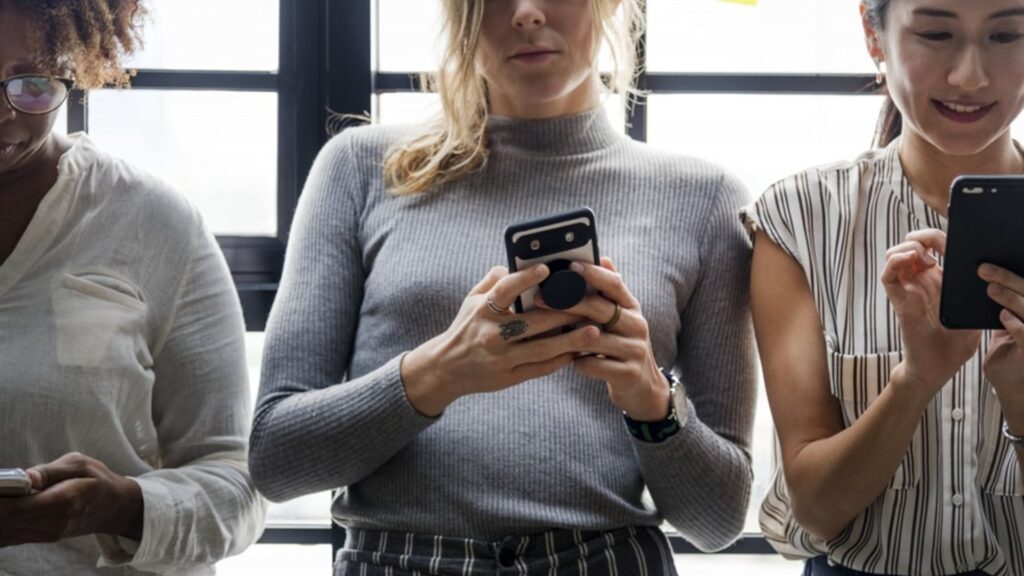
For years, the dominant narrative surrounding social media has painted a grim picture: social media platforms are transforming users into addicts, likening their grip to that of tobacco or gambling. This notion has been echoed in official reports, talk-show debates, and countless headlines, becoming almost a cultural truism. However, a new study from researchers Ian A. Anderson and Wendy Wood at the University of Southern California challenges this prevailing wisdom, suggesting that what we often label as addiction may actually be more accurately described as habit—an important distinction that carries real implications for how we understand our interactions with these platforms.
Published in Scientific Reports, the study surveyed 1,204 participants, focusing primarily on two groups: a representative sample of 380 adult Instagram users in the United States and a group of college students who use TikTok. The researchers employed a dual approach by combining clinical measures of addictive symptoms with self-assessments, asking participants whether they felt “addicted” to these platforms or simply recognized a compulsive checking habit.
The findings reveal a striking disparity between self-perception and clinical assessment. Using the Bergen Instagram Addiction Scale, adapted for this study, only 2% of Instagram users fell into a category indicating potential addiction, characterized by symptoms like withdrawal or conflicts with daily responsibilities. Yet, when asked directly, 18% considered themselves “somewhat” addicted, with 5% strongly affirming that label. Similarly, TikTok users showed even more dramatic self-reported addiction, with only 9% at clinical risk compared to 59% who identified as addicted in self-assessments.
Interestingly, about half of the participants described their relationship with Instagram as an automatic behavior triggered by environmental cues—such as a notification or a lull in activity—rather than a compulsive urge reminiscent of addiction. This distinction between habit and addiction is critical, as it fundamentally alters our interpretation of digital behavior.
One of Anderson and Wood’s most unsettling conclusions is the psychological impact of self-identifying as an addict. Individuals who frame their social media use as an addiction tend to feel a diminished sense of control over their behavior. They report more failed attempts to reduce usage and experience higher levels of self-blame, internalizing the idea that they are powerless to change. This creates a self-fulfilling prophecy: the belief in being an addict makes actual change feel impossible.
Moreover, the researchers highlight a significant factor in this dynamic: media narratives. Frequent exposure to descriptors like “toxic” or “addictive” can skew users' interpretations of their social media habits, leading them to label their behavior as addictive even in the absence of clinical symptoms. This aligns with broader psychological debates questioning the supposed link between heavy social media use and issues like anxiety or depression, which have been shown to be weak and heavily dependent on individual circumstances.
This isn’t the first time Anderson has taken a skeptical stance on this subject; he co-authored an opinion piece in The Washington Post in 2021, boldly declaring that “Digital addiction is a myth. What you have is a bad habit, and it’s fixable.” With this new research providing empirical backing to that assertion, the focus shifts from addiction to understanding deeply ingrained habits. Addressing social media use through the lens of habit formation offers a more constructive approach, empowering users with strategies to modify routines and environments gradually.
Ultimately, the research encourages a nuanced conversation about our engagement with technology. Rather than labeling users as addicts, it’s more productive to understand their behaviors as habits shaped by context—habits that can be changed with time, awareness, and practical adjustments. In an age overwhelmed by notifications and digital distractions, this perspective offers a crucial insight: regaining control over our online lives is possible, and it starts with shifting how we think about our relationships with social media.
White House Spokeswoman's Relative in Brazil Detained – Shocking Twist Revealed!

Shocking Revelations: Why COP30 Ignored the Deep Ocean – and What It Means for Our Future!
You Won't Believe How the Meat Snacks Market Will Skyrocket to $20.49 Billion by 2034! Are You Prepared?

Flamengo vs. Palmeiras: The Jaw-Dropping Copa Libertadores Final You Can’t Afford to Miss!

Is Your Leptin Level Sabotaging Your Fight Against ER-Positive Breast Cancer? Shocking Findings Revealed!

You Won't Believe This 'Desi Superfood' Snack Recipe That Could Transform Your Menstrual Health!
You might also like: