
Is India's East Coast Losing 70% of Its Biodiversity? The Shocking Truth Revealed!

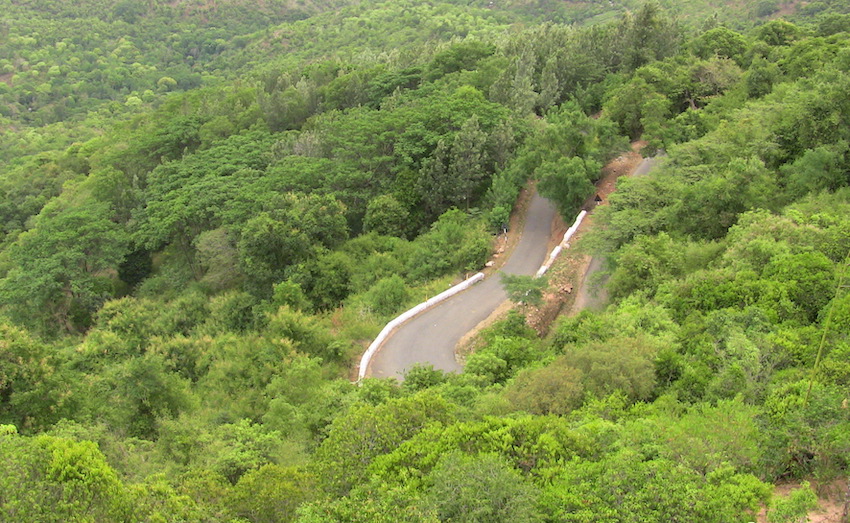
Scientists are raising alarm over the alarming loss of unique biodiversity along India’s East Coast and the Eastern Ghats, a series of hills that run almost parallel to the coastline. This region, which hosts a wealth of marine and terrestrial life, is suffering from neglect in both research and conservation efforts, alarming researchers who believe immediate action is necessary.
The inter-tidal zone of India’s East Coast is a rich breeding ground for a variety of marine species, including sponges, sea anemones, hydroids, soft and hard corals, flatworms, crabs, Elysia, octopus, and fish. According to the East Coast Conservation Team (ECCT) based in Visakhapatnam, the biodiversity of the Andhra coast features many endemic invertebrate species. ECCT scientist Priyanka Vedula highlights some of the peculiarities of these organisms, such as sponges that possess multiple cells yet lack a nervous system, and flatworms that are among the first to develop a brain-like nerve ring capable of processing information.
Among the unique marine life documented by the team is a sea slug that was last sighted 160 years ago, indicating the area's potential for undiscovered species. Until a publication by the Zoological Survey of India (ZSI) in 2025, the presence of coral reefs in Andhra Pradesh was unknown. “With more efforts across marine ecosystems, we have the potential to document and discover more, and hence also protect many species in the area,” said Deepu Visweswar, another ECCT scientist. However, the risk posed by climate change and infrastructure development looms large; much of the undocumented species could face extinction if conservation measures are not prioritized.
The East Coast's Mangrove Ecosystems
The eastern coastline also supports some of the world’s largest and most diverse mangroves. The Sundarbans, a UNESCO World Heritage site situated in the Gangetic delta of India and Bangladesh, is particularly notable. This region provides a habitat for endangered species including fishing cats, Gangetic dolphins, and estuarine crocodiles, as highlighted by R Balasubramanian, a senior fellow at the MS Swaminathan Research Foundation in Chennai.
India lists two globally threatened mangrove species among a total of 11 species in the International Union for Conservation of Nature (IUCN) Red List. The Andhra coast is additionally home to the Coringa mangrove forest, the country's third-largest, along with seagrass meadows that thrive off the East Godavari river delta.
Turning to land, the Eastern Ghats present another layer of biodiversity, home to unique mammals and spanning over 1,600 kilometers from Odisha to Tamil Nadu. Despite this ecological richness, the Eastern Ghats remain overshadowed by the more recognized biodiversity hotspots of the Himalayas and Western Ghats. “Much of its diversity remains poorly documented and is increasingly vulnerable to habitat loss, fragmentation, and climate change,” experts indicate. The area faces significant threats, including rapid forest conversion due to encroachments and road construction.
A report from the Centre for Wildlife Studies (CWS) and the Ashoka Trust for Research in Ecology and the Environment (ATREE) revealed that Papikonda National Park is rich in mammal diversity, especially in well-forested patches. The park recorded over 145 bird species, including the 'near threatened' Malabar Pied Hornbill and Alexandrine Parakeet. However, the ongoing degradation of dry-deciduous forests, particularly around the Godavari River, jeopardizes these species. Vikram Aditya, a principal scientist at CWS, emphasizes the need for immediate surveys and conservation efforts focused on the Eastern Ghats, which have historically been one of the least studied areas for birds in India.
Despite the pressing need for conservation, only 3.53% of the Eastern Ghats is protected. Many areas outside designated conservation sites hold significant ecological value but are often overlooked. “The Eastern Ghats of India is an unexplored forest landscape of high conservation value with several endemic and threatened species reported,” Aditya noted, stressing the urgency for comprehensive surveys to safeguard these ecosystems.
The ECCT warns that unchecked development along the East Coast could lead to irreparable losses in biodiversity. “What happened with the Eastern Ghats should not be repeated in the East Coast,” they caution, advocating for more baseline research and community involvement in conservation efforts to protect the rich and diverse natural heritage of this region.
You Won't Believe What NYDIG Plans for Alcoa's Smelter: Is This the Future of Bitcoin Mining?

Nomagic Snags Google DeepMind’s Top AI Talent—What This Shocking Move Means for Retail!

Shocking Changes to Penn's 2026-27 Health Plan: What Every Employee MUST Know NOW!

You Won't Believe How Paul Neshausen Went from Rags to Riches in Luxury Real Estate!

Why Investors Are Flocking to Hong Kong Real Estate: Shocking Stats That Could Change Your Future!

Why Lt. Governor Sylvia Luke's Shocking Decision to Step Down Could Change Hawaii Forever!
You might also like: