
Is Hydrogen the Hidden Villain in Global Warming? Shocking New Study Reveals Alarming Truth!

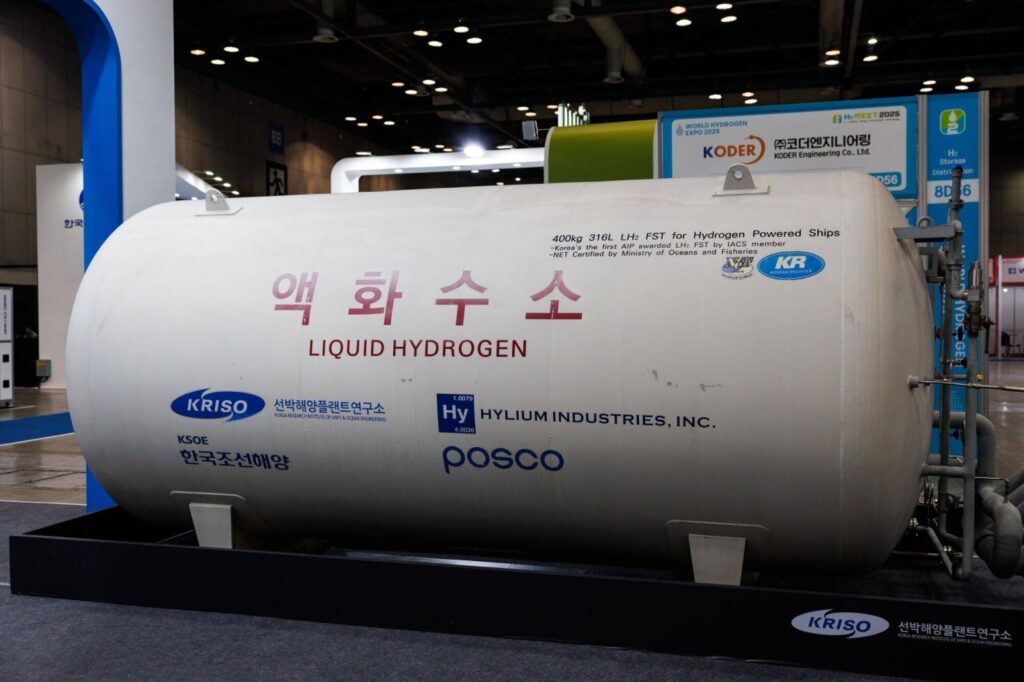
Hydrogen has long been heralded as a potential game-changer in the fight against climate change, often seen as a clean alternative to fossil fuels. However, a new study has raised crucial concerns about the role hydrogen may play in exacerbating the very crisis it aims to help solve. The research, published in the journal Nature, reveals that increasing hydrogen emissions may have contributed to rising global temperatures, which have increased by nearly 1.5°C since the pre-industrial period.
Between 1990 and 2020, emissions of hydrogen rose significantly, correlating with a modest 0.02°C uptick in average global temperatures. This rise is largely attributed to human activity, particularly the increased release of methane—a potent greenhouse gas—from sources such as fossil fuels, livestock, and landfills. Notably, methane, when it breaks down in the atmosphere, produces hydrogen, creating a complex relationship between the two gases.
“We need a deeper understanding of the global hydrogen cycle and its links to global warming to support a climate-safe and sustainable hydrogen economy,”
said Stanford University scientist Rob Jackson, the paper’s senior author.
While hydrogen itself is not a direct pollutant, its interaction with natural atmospheric detergents that help break down methane raises alarms. More hydrogen in the atmosphere means fewer detergents available to degrade methane, allowing it to persist longer and contribute to warming effects. The study's lead author, Zutao Ouyang, an assistant professor of ecosystem modeling at Auburn University, explained,
“More hydrogen means fewer detergents in the atmosphere, causing methane to persist longer and, therefore, warm the climate longer.”
The implications of these findings are significant. As hydrogen is viewed as a cleaner fuel source for transport and heavy industries, understanding its full impact on the climate becomes vital. The current methods of hydrogen production primarily involve energy-intensive processes using natural gas or coal, both of which emit substantial amounts of carbon dioxide. Although there is a push for “green” hydrogen, which is produced through electrolysis using renewable energy, this method remains prohibitively expensive and faces numerous obstacles before it can be scaled effectively.
As hydrogen emissions have risen, so too have other sources of atmospheric hydrogen, including leaks from industrial production processes. The study conducted by the Global Carbon Project—a consortium of international scientists—highlights a need for concerted efforts to address both hydrogen production and its broader implications on climate change.
Ultimately, while hydrogen holds promise as a clean energy alternative, it also presents challenges that must be addressed to ensure a genuinely sustainable future. As the global community continues to pursue solutions to the climate crisis, a nuanced understanding of hydrogen's role could be pivotal in shaping policies and technological advancements in the energy sector.
Men's Soccer Shocks Nation with Record-Breaking Poll Ranking—What This Means for Their Future!

Pennsylvania's Shocking Vaccine Bill: What It Means for Your Health—and Your Pharmacist!

Indiana's Governor's Shocking First-Year Wins: What They Don't Want You to Know!

Is the Stock Market on the Brink? Shocking Signs Show We Might Be in a Major Bubble!
Apple's Shocking Move: What Japan's 'Smartphone Law' Could Mean for Your Next iPhone!

Micron's Shocking Surge: Will This Save Your Tech Stocks Before the CPI Drops?
You might also like: