
Is Hungary's Election About to Dethrone Orbán? Shocking Outcomes Await!

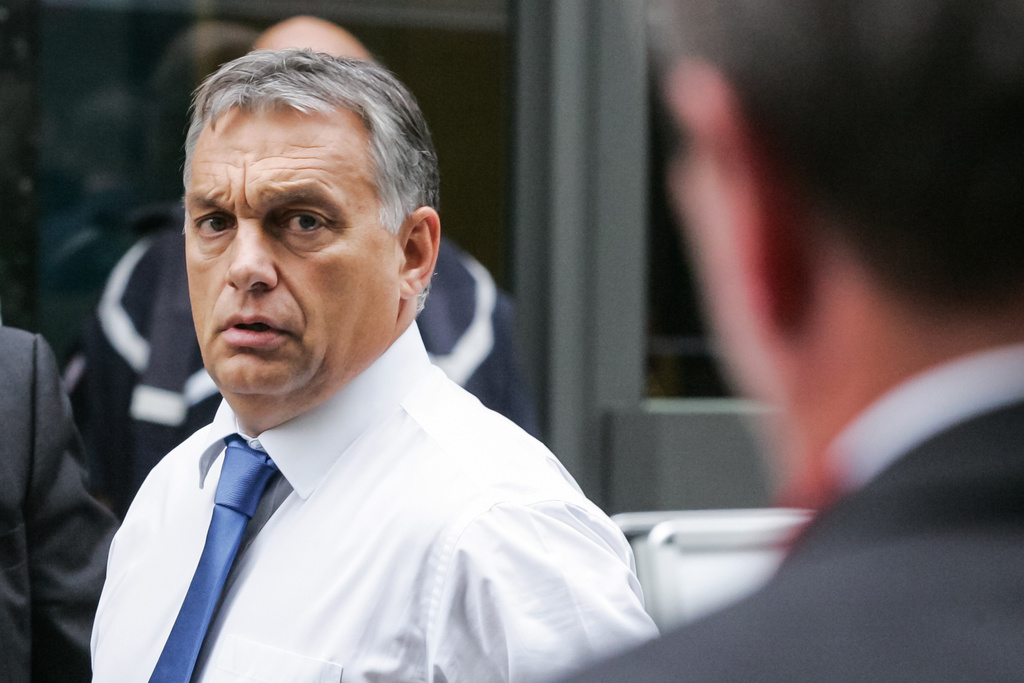
BUDAPEST, Hungary | Hungarian Prime Minister Viktor Orbán, who has served as the European Union’s longest-tenured leader, faces a significant challenge as he approaches Sunday’s elections. After more than two decades of dominance in Hungarian politics, the 62-year-old may see his 16-year reign come to an end, with most polls indicating he is trailing by double digits. This electoral struggle comes despite a recent visit from U.S. Vice President JD Vance, aimed at boosting Orbán’s electoral chances.
Orbán’s opponent, Péter Magyar, of the center-right Tisza party, has gained popular support. In a desperate bid to retain power, Orbán has resorted to tactics such as disinformation campaigns and AI-generated smear ads, warning voters that a loss would lead Hungary into bankruptcy and war. These strategies starkly contrast with the ideals that once characterized his early political career.
📰 Table of Contents
From Liberal Firebrand to Nationalist Figure
Once viewed as a champion of Hungary’s budding democracy in the 1990s, Orbán’s transformation from a liberal, anti-Soviet activist to a Russia-friendly nationalist has been remarkable. Growing up in rural Felcsút, approximately 20 miles from Budapest, he was a gifted student who later attended Oxford University on a scholarship from a foundation founded by George Soros, a figure he would later vilify as a symbol of foreign interference in Hungarian affairs.
In 1988, Orbán co-founded Fidesz, initially a liberal youth party. His early advocacy included a powerful speech that demanded the withdrawal of Soviet troops from Hungary, a bold stance during the closing days of communism. Elected to parliament in 1990, he became one of Europe’s youngest prime ministers in 1998 at just 35. However, after losing the 2002 election, he recalibrated his political strategy, steering Fidesz toward a more nationalist and conservative agenda.
Orbán's return to power in 2010 marked a significant turning point. His party, capitalizing on public discontent stemming from the 2008 financial crisis and mismanagement by the Socialist government, won a two-thirds majority in parliament. This overwhelming mandate allowed Orbán to enact sweeping changes, including the writing of a new constitution, the rigging of the electoral system, and the consolidation of judicial power.
Under his leadership, Fidesz has systematically controlled Hungary's media landscape, reportedly owning up to 80% of private outlets by the end of the decade. Reporters Without Borders has labeled Orbán a “press freedom predator” due to his administration's extensive control over state-funded media, which serves primarily as a mouthpiece for his party.
Despite criticism from the EU and international observers, who have labeled Hungary as an “electoral autocracy” since 2022, Orbán's supporters laud him as a defender of Christian values and national sovereignty against globalization and migration. He has built border fences and implemented stringent immigration policies, framing these actions as essential to protecting Hungary from a perceived threat of loss of identity.
Clashes with the EU and Foreign Relations
Orbán’s government has frequently clashed with EU authorities over issues of corruption, press freedom, and judicial independence. His administration has resisted EU efforts to support Ukraine during its ongoing conflict with Russia and has opposed sanctions against Moscow. This friction has led to the freezing of billions in EU funding due to rule-of-law violations.
In his pursuit of a foreign policy that diverges from Western consensus, Orbán has drawn scrutiny for his close relationships with leaders like former U.S. President Donald Trump and Russian President Vladimir Putin. Media reports have suggested that Russian intelligence services may be attempting to influence the upcoming election in Orbán’s favor, although such claims have been denied by Moscow. Furthermore, Orbán’s foreign minister has been accused of sharing sensitive EU discussions with Russia, further complicating Hungary's relations within the bloc.
As the election draws near, Magyar has positioned himself as a pro-democracy alternative, with supporters chanting “Russians go home!” at his rallies. The stakes are high; this election represents not just a contest for power, but a defining moment for Hungary’s future trajectory, whether it continues toward autocracy or re-establishes its place in Europe’s democratic landscape.
The outcome remains uncertain, but it is clear that the political road ahead for Orbán is steep, as he faces both an energized opposition and the weight of his own shifting legacy.
Chicago Home Prices Just Plummeted: What This Shocking Trend Means for Your Wallet!

OpenAI's Shocking New ChatGPT Plan Will Transform Your Life in India—Find Out How Before It's Too Late!

Mamdani's 100 Days in Real Estate: What He Discovered Will SHOCK You!

Big Sky Residents: Your Health Could Be at Risk! Are You Ready to Join This Shocking Study?

You Won't Believe What Happens to Keanu Reeves in 'Outcome'—Streaming Now on Apple TV!

You Won't Believe What Happens at This Shocking 5-Minute Flag-Raising Ceremony for Organ Donation!
You might also like: