
Is Germany’s Iconic Ski Lift DOOMED? Shocking Changes at the Alps Will Leave You Speechless!

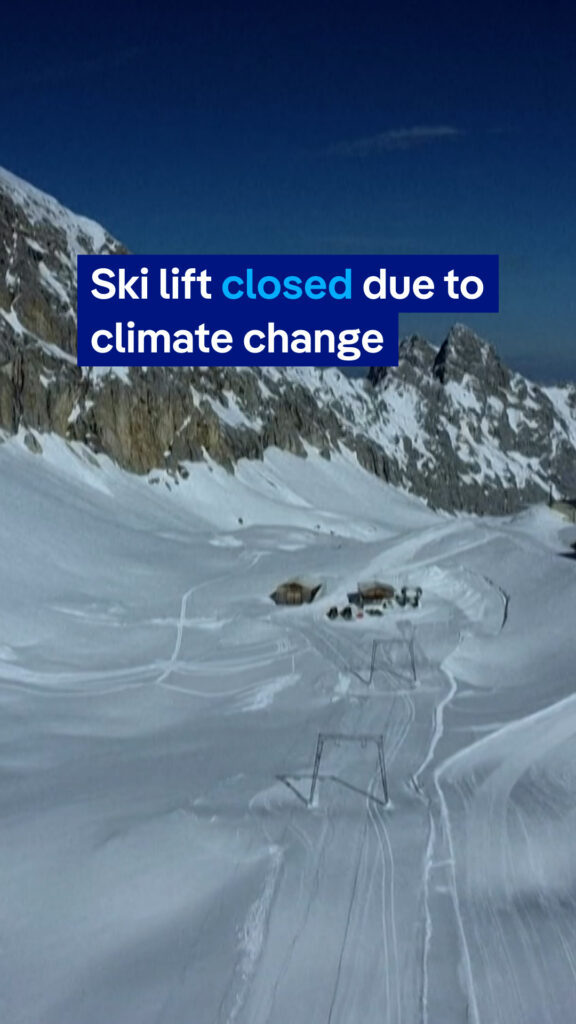
Climate change is leaving its mark in the heart of the German Alps, as evidenced by the recent demolition of a ski lift on the peak of Germany's highest mountain, the Zugspitze. The lift, which had been operational for more than 50 years, was dismantled after the surrounding landscape underwent significant changes due to the melting of the Scheeferner glacier. The phenomenon highlights the profound impact of climate change on alpine regions, which have long been a popular destination for winter sports enthusiasts.
The Scheeferner glacier, a vital resource for the ski lift and the surrounding ski area, has been shrinking at an alarming rate. This situation is not unique to Germany; it reflects a broader trend observed across the Alps, where glaciers are retreating, causing shifts in local ecosystems and economies. According to a report from the European Environment Agency, glaciers in the Alps are losing mass at a rate of approximately 1 meter per year in some areas, a trend that is expected to accelerate if global temperatures continue to rise.
The dismantling of the ski lift not only signals the end of an era for local skiing but also raises questions about the future of winter tourism in the region. As the climate warms, ski resorts face the challenge of adapting to diminishing snow cover and changing weather patterns. In a region that relies heavily on winter sports, this could have significant economic implications. The European Alps generate billions in revenue from tourism, and any decline in ski-related activities could adversely affect local businesses and employment.
Furthermore, the environmental consequences of the disappearance of glaciers extend beyond tourism. Glaciers serve as natural water reservoirs, providing vital resources for both people and ecosystems, especially during dry periods. As these glaciers recede, there is a concern about water shortages in the summer months, which could impact agriculture, drinking water supplies, and hydropower generation.
Experts are increasingly urging for urgent action to combat climate change and its effects on fragile ecosystems like the Alps. The dismantling of the Scheeferner ski lift serves as a stark reminder that the repercussions of climate change are not distant forecasts but present-day realities that demand immediate attention. As temperatures continue to rise, communities in the Alps and beyond must grapple with the implications of a changing climate on their livelihoods, lifestyles, and landscapes.
As we move forward, the pivotal question remains: what can be done to mitigate these changes? Some alpine resorts are exploring innovative solutions, such as investing in artificial snow-making technologies or diversifying their offerings to attract visitors year-round. However, these measures alone may not be enough to combat the larger forces of climate change at play.
Ultimately, the fate of the Alps—and the ski lifts that have long defined their winter landscape—lies in our collective ability to address climate change. The events surrounding the demolition of the ski lift on the Zugspitze serve as a clarion call for action, urging individuals, businesses, and governments to prioritize sustainability and develop strategies to adapt to a warming world.
Are You One of the 80%? Shocking Psychological Traits of 'Silent Mode' Phone Users Revealed!

You Won't Believe Who Took Home the Crown at This Year's Epic Beat Battle—The Shocking Twist Will Leave You Speechless!

Crypto's SHOCKING 20% Plunge Today: Are US-Iran Tensions About to Wreck Your Investments?

Parents Who Sacrificed Everything Get the Least Respect—Here's the SHOCKING Truth!

You Won't Believe How a Shocking Last-Minute Goal Changed Everything in the Philadelphia Union vs. Chicago Fire Match!

Webster's Mental Health Crisis: Shocking Officer Hospitalizations & Arrests Spark Outrage!
You might also like: