Is Fashion's 2030 Climate Goal a Dream or a Distant Nightmare? Shocking Truth Revealed!

As the world hurtles toward 2030, a critical deadline for addressing climate change, the fashion industry is facing a stark reality: the sector is falling short of its sustainability goals. Beth Jensen, the chief impact officer at Textile Exchange, recently stated that her organization is “not on track” to meet its target of reducing greenhouse gas emissions from fiber and raw material production by 45 percent.
Jensen emphasized the need for a reassessment of progress in 2026, suggesting a closer look at data and key interventions such as regenerative agriculture and textile recycling. “What is realistic yet still aspirational to achieve by 2030 and 2035?” she asked, underscoring the urgent need for strategic planning.
Ten years after the historic Paris Agreement, hopes for the fashion industry's commitment to combating climate change are dwindling. This year, clothing production emissions surged by 7.5 percent, reaching nearly 944 million metric tons. This increase, the first significant rise since the Apparel Impact Institute began tracking emissions in 2019, raises concerns about the industry’s trajectory.
Despite rising global temperatures and escalating climate stakes, many brands appear to be “quiet quitting” on sustainability. At the United Nations Climate Summit in Belém, Brazil, attendance from fashion brands was disappointingly sparse. Rachel Kitchin, a corporate climate campaigner for fashion and IT at Stand.earth, remarked on the lack of participation: “I didn’t identify any brands attending in person, and very limited inclusion in official discussions or side events.”
Kitchin criticized the fashion industry's lack of alignment with national climate goals, noting that “corporate action needs to be aligned with national targets.” This misalignment signals a grave concern as the fashion sector lags behind in climate efforts.
The COP30 summit is described as a “complex, global negotiation,” yet it highlights a critical truth: the right to a livable future is at stake. Liv Simpliciano, the head of policy and research at Fashion Revolution, lamented that the industry continues to rely on fossil fuels, even as viable solutions for decarbonization exist. “The path forward could not be clearer,” she stated, emphasizing the need for brands to not only adopt technical solutions but also engage in policy advocacy and ensure fair treatment of workers.
📰 Table of Contents
Industry Stagnation and Future Steps
As world leaders and diplomats gathered in Brazil, the UN Fashion Industry Charter for Climate Action called for policy reforms to enhance access to renewable energy and strengthen carbon reporting. The communiqué aimed to help signatories accelerate their efforts to phase out fossil fuels and improve transparency and accountability.
However, Lindita Xhaferi-Salihu, initiatives lead at the UN Framework Convention on Climate Change, noted that many companies seem stuck, hesitant to make the necessary transformational investments. She pointed out, “In 2025, we need to stop discussing commitments and start detailing what we’re implementing.”
Notably, some brands are starting to make commitments. In September, the H&M Foundation pledged 53 million Swedish kronor (about $5.6 million) over five years to the Fashion for Good platform, focusing on reducing emissions in textile production. Additionally, Bestseller announced funding for Bangladesh’s first offshore wind project, with a budget of $100 million.
Nevertheless, these efforts are isolated. Kitchin and other advocacy groups warn that if current trends continue, fashion emissions could exceed 1.24 billion metric tons by 2030. The industry often cycles through buzzwords like “collective action” without meaningful outcomes or financial commitments, leaving many to question whether sustainability is being used as a marketing tool rather than a genuine business strategy.
The Funding Gap
Funding remains a critical barrier to decarbonizing supply chains, as evidenced by the Fashion Climate Fund, which has garnered only 7.8 percent of its $2 billion target since 2018. Despite contributions from major players like H&M and Lululemon, the fund has only achieved 8.6 percent of its emissions reduction goal.
Xhaferi-Salihu emphasized the need for involving chief financial officers in the sustainability conversation, stating, “If there’s no finance, nothing will happen.” This underscores the reality that financial investment is essential for meaningful progress.
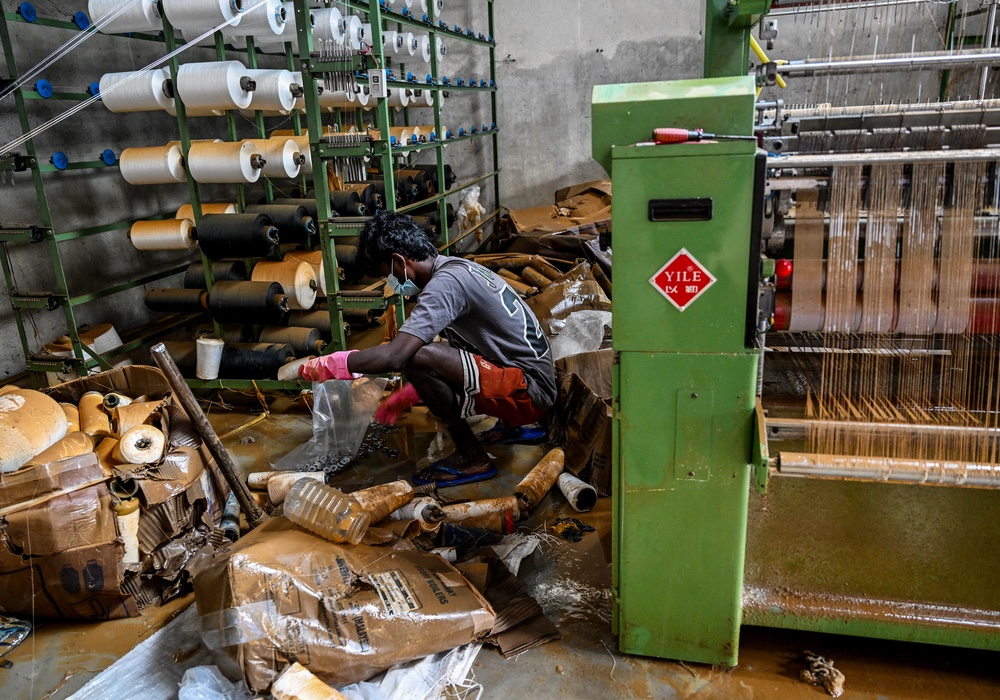
Furthermore, garment workers face increasing hardships amid climate change, with many exposed to extreme temperatures without adequate protections. Research by Climate Rights International highlights the dire health impacts on workers in Bangladesh and Pakistan, where temperatures regularly soar above 40 degrees Celsius (104 degrees Fahrenheit). The ongoing climate crisis is a pressing issue for garment workers, who often receive little consideration in corporate climate strategies.
As the industry grapples with these realities, the call for a more responsible and equitable approach to climate action remains urgent. With significant funding gaps and inadequate attention to workers’ rights, it is clear that the journey toward sustainability in fashion has only just begun, and time is running out.
Shocking New Data Reveals: Are We Underestimating Climate Change by 50%? Find Out Now!

Korea’s Startup Scene Is Stalling: Are New Regulations Crushing the Next Unicorn? You Won’t Believe What’s at Stake!

India’s Shocking Move: Will Mandatory Smartphone Tracking Put Your Privacy at Risk?

Sabrina Carpenter's Shocking Reaction to White House's 2nd Pro-ICE Video Will Leave You Speechless!

Abandoned Fort Myers School Sparks CHAOS in Florida Governor Race—What’s at Stake?
S&P 500 and Nasdaq Soar Again—What Shocking Move Will the Fed Make Next Week? Don’t Miss This!
You might also like: