
Is Europe on the Brink of a Tech Revolution? Discover How $100 Billion in Gov't IT Spending Could Change Everything!

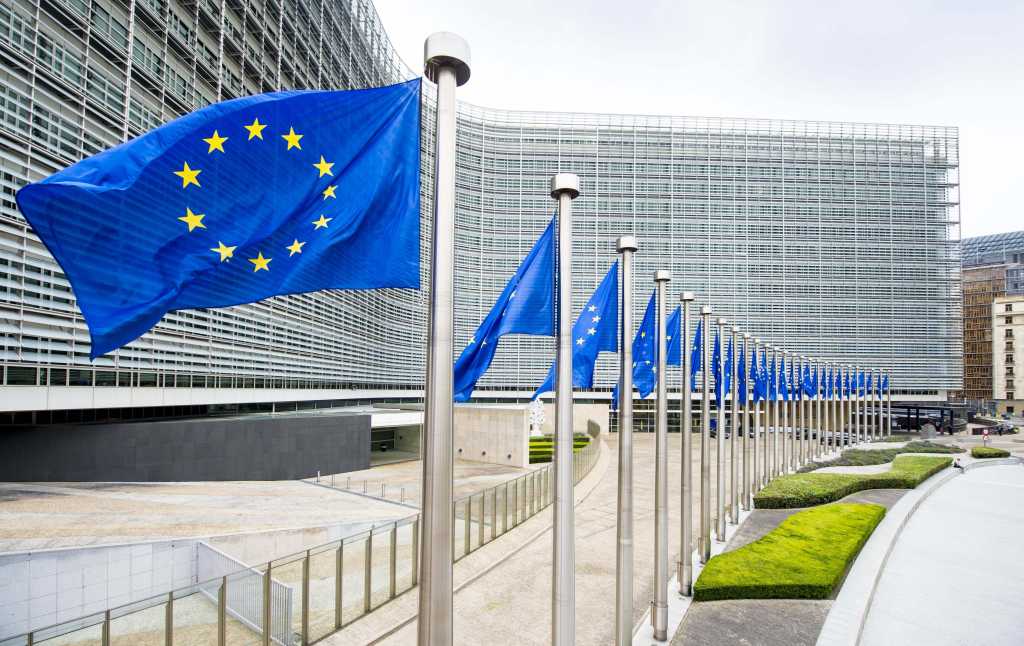
In a world increasingly reliant on digital infrastructure, the implications of government procurement decisions are profound. Mirko Boehm, senior director for Community Development at the Linux Foundation Europe, recently emphasized the need for policymakers to take a more holistic view when it comes to information technology acquisitions. He argues that every significant IT procurement should include an assessment of strategic dependency.
Boehm articulated a critical perspective on how these decisions extend far beyond mere technology choices. “If a ministry in one of the member states signs a contract with a hyperscaler, that’s not just an IT decision,” he stated. “It’s an industrial policy decision, a skills development decision, a technology transfer decision, and a digital sovereignty decision.” He highlighted that these multifaceted costs are often overlooked in the current procurement processes.
To illustrate the potential economic impact of more strategic procurement, Boehm pointed to a significant opportunity that Europe appears to be missing. He noted that every euro invested in public sector procurement generates multiples more in subsequent economic activity. However, he lamented that Europe too frequently opts to purchase most of its technologies from US tech companies, potentially leaving valuable growth on the table.
The conversation around digital sovereignty and strategic procurement is particularly pertinent as governments globally grapple with the complexities of technology reliance. Boehm's insights suggest that a more comprehensive approach could not only strengthen local economies but also reinforce a nation’s technological independence.
This change in mindset could manifest in various actionable ways. For instance, evaluations of IT contracts could incorporate assessments of how such decisions affect local skills development and economic resilience. By prioritizing local vendors and fostering technology transfer, governments could help stimulate domestic innovation while mitigating the risks associated with over-reliance on foreign tech giants.
Moreover, the integration of these considerations into procurement processes could also enhance national security. With increasing concerns about data privacy and cybersecurity, having a more diversified technological landscape may better protect sensitive information from foreign adversaries. In this context, fostering homegrown tech solutions emerges as a potential safeguard against vulnerabilities that could arise from single-source dependencies.
As the global tech landscape continues to evolve rapidly, these discussions around procurement take on added significance. Policymakers are tasked with the challenge of ensuring that their decisions not only meet immediate technological needs but also align with broader economic and industrial strategies. The stakes are high, and the choices made today will have lasting implications for the future of digital sovereignty and economic vitality in Europe and beyond.
Ultimately, as Boehm's call for a more strategic approach to IT procurement resonates across the continent, it reflects a growing recognition of the interconnectedness of technology, economy, and policy. By taking a more thoughtful approach, European governments could harness the full potential of public procurement to drive innovation, economic growth, and technological independence.
You Won't Believe What the Google Pixel 10a Can Do—Is It Worth the £499 Price Tag?

You Won't Believe What Freeze-Dried Fruit Snacks Are Hiding – This One Ingredient Changes Everything!

You Won't Believe Which Two Upper Peninsula Residents Just Landed Shocking Governor Appointments!

You Won't Believe Why NBA Analysts are Calling the Hornets the Next Boston Celtics—Shocking Stats Inside!

You Won't Believe What Governor Josh Stein Revealed About Native American Contributions—It Changes Everything!
New Outbreak Alert: 5 Cases of Measles in Sacramento—Is Your Family Protected? Find Out Now!
You might also like: