
Is Earth’s Climate About to Hit a Tipping Point? Shocking Data Reveals a 90% Chance!


On March 23, the World Meteorological Organization (WMO) released its flagship report, the State of the Global Climate 2025, coinciding with World Meteorological Day, which focused on “Observing Today, Protecting Tomorrow.” This year's report introduces the Earth’s energy imbalance as a critical climate indicator, shedding light on the growing impacts of climate change on our planet.
The Earth's energy balance reflects the amount of energy that enters and exits the Earth system. Typically, this balance is maintained, with the energy received from the sun equaling the amount that escapes back into space. However, the report reveals that increasing concentrations of heat-trapping greenhouse gases—specifically carbon dioxide, methane, and nitrous oxide—have disrupted this equilibrium, reaching their highest levels in at least 800,000 years.
Since the observational record began in 1960, the Earth's energy imbalance has continued to grow, particularly over the past two decades, hitting a new high in 2025. WMO Secretary-General Celeste Saulo stated, “Human activities are increasingly disrupting the natural equilibrium, and we will live with these consequences for hundreds and thousands of years.” The report details a troubling trend of more extreme weather events, including heatwaves, wildfires, droughts, and flooding, which have collectively resulted in thousands of deaths and billions of dollars in economic losses.
In 2025 alone, it was noted that about 91% of the excess heat generated by greenhouse gases is stored in the oceans, acting as a significant buffer against rising land temperatures. The report indicates that ocean heat content reached a record high in 2025, with its warming rate more than doubling compared to previous decades. The implications are severe, as the warming oceans contribute to rising global mean sea levels and exacerbate the melting of Arctic and Antarctic ice sheets.
Specifically, both ice sheets have lost significant mass, and the average Arctic sea ice extent for 2025 was among the lowest recorded. Similarly, exceptional glacier mass loss occurred in Iceland and along the Pacific coast of North America, emphasizing the urgency of the climate crisis.
The accelerating rate of sea-level rise, which has increased since the beginning of satellite measurements in 1993, poses a direct threat to coastal ecosystems, leading to issues such as groundwater salinization and flooding. The report also highlights alarming shifts in oceanic pH levels, with around 29% of carbon dioxide emissions absorbed by the oceans since 2015, resulting in acidification that jeopardizes marine biodiversity and food production.
In addition to these environmental changes, the WMO report also addresses the health implications of climate change. Rising temperatures and altered rainfall patterns are affecting public health, with diseases such as dengue fever becoming more widespread. Over half of the world’s population is now at risk from this rapidly growing mosquito-borne illness. The report points out that approximately 1.2 billion people in the global workforce face heat risks annually, particularly in agriculture and construction sectors.
The urgency of these issues has not gone unnoticed. UN Secretary-General António Guterres warned that our reliance on fossil fuels is destabilizing both the climate and global security. He emphasized that today’s report should serve as a warning: “climate chaos is accelerating, and delay is deadly.”
The State of the Global Climate 2025 is compiled from contributions by National Meteorological and Hydrological Services, WMO Regional Climate Centres, and various international partners. By documenting these critical changes, the report aims to inform decision-making and underscores the importance of observing today's climate to protect future generations. As Saulo aptly put it, “When we observe today, we don’t just predict the weather; we protect tomorrow.”
AI Layoffs Are Here: Perplexity CEO Reveals Shocking Benefits You Won't Believe!

You Won't Believe Who's Running in the USG Downtown Executive Election – Shocking Alliances Revealed!
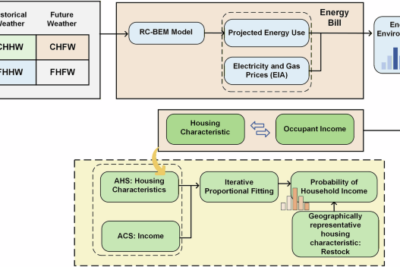
Could Electrification Save You $1,200 a Year? The Shocking Truth You Need to Know!

Is Granit Xhaka's Shocking Fitness Concern Hiding a Major Swiss Team Crisis? Find Out Now!
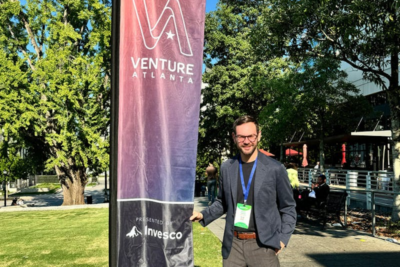
Cornell Grad’s AI Startup Shocks Industry with Venture Atlanta 2025 Selection – Here’s What You MUST Know!

Ebola on the Rise: $30M Secret Weapon Unveiled by SK Bioscience and IDT Biologika!
You might also like: