
Is Canada Next? Shocking Tourism Crisis Looms Amid Rising Costs and Middle East Turmoil! Find Out What You Must Know!

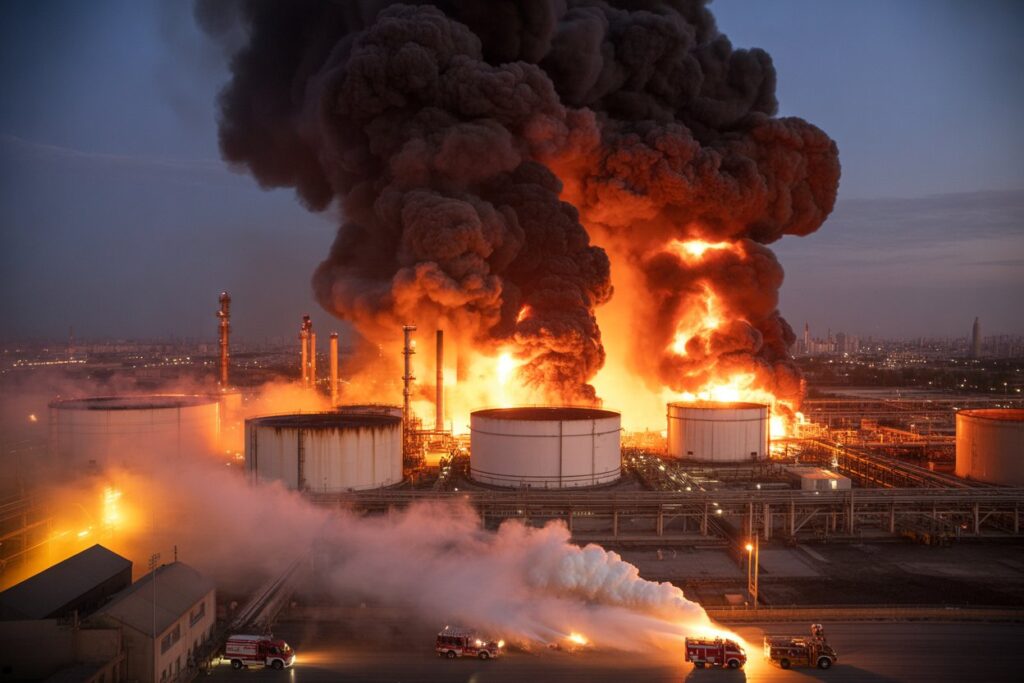
As the crisis in the Middle East escalates, countries including Canada, the United States, Germany, Italy, France, Japan, and China are bracing for significant tourism challenges and rising inflation in lifestyle costs. The ongoing conflict is leading to fuel shocks and airspace disruptions that threaten the global tourism sector, with dire implications for economic stability.
According to recent analyses, aviation costs are soaring due to increased fuel prices, compelling airlines to raise fares by an estimated 20-30% on international routes. This surge in airfares, coupled with extended flight durations caused by airspace disruptions over critical Gulf corridors, is diminishing global connectivity and causing a contraction in tourism demand. Countries that rely heavily on international travelers are likely to be hit the hardest, particularly as domestic travel alone cannot offset the declines.
📰 Table of Contents
Canada: Rising Costs and Limited Connectivity
In Canada, the tourism sector is already feeling the pinch. The price of jet fuel has surged toward $2.50 per liter, prompting airlines to increase ticket prices significantly. The suspension of operations by Gulf carriers is limiting access to important destinations in Asia and the Middle East, making travel not only less convenient but also more costly. Small tourism businesses are particularly vulnerable, as they face rising operational costs and reduced customer demand.
- Airfare increases of 20-30%
- Jet fuel nearing $2.50 per liter
- Approximately 1,400 emergency calls daily related to travel concerns
- About 1,000 Canadian citizens repatriated due to the crisis
United States: Domestic Shift and International Declines
The United States is also navigating mixed impacts from the crisis. Fuel costs are pushing gas prices above $3 per gallon and jet fuel prices up to $3.99 per gallon. The increased costs will likely deter long-haul travel, particularly from Asia and the Middle East, while domestic travel may see an uptick as Americans opt for nearby destinations.
- Gas prices surpassing $3 per gallon
- Jet fuel costs escalating to $3.99 per gallon
- Airline operating costs climbing by $11 billion
- Flight capacity reduced by 5%
Europe: A Mixed Picture
Italy stands out as a potential beneficiary from the redirection of tourism, particularly as booking demand in coastal regions rises by over 50%. However, the absence of high-spending Gulf visitors is expected to reduce overall revenue per traveler. In contrast, Germany faces rising fuel prices—already exceeding €2.50 per liter—which could squeeze household budgets and further dampen long-haul travel.
- Travel agency losses in Italy exceeding €222 million
- A surge in travel searches in Germany by 22-30% toward Spain
- Air France suspending Gulf routes, impacting connectivity to Asia and Africa
- In France, gas prices have surged by over 60%, contributing to a “new oil shock” warning
Japan and China are not immune either. Japan's dependence on Middle Eastern energy sources—up to 95%—means rising fuel costs will likely reduce inbound tourism from Europe and the Middle East. China’s tourism sector remains stable domestically but faces challenges with international travel, as disruptions to Gulf transit routes threaten to hinder outbound tourism to Europe and Africa.
- Japan's stock markets dropped around 5% due to rising costs
- China's oil imports are approximately 50% reliant on Gulf sources
The current crisis is fundamentally altering tourism patterns across the globe. As countries like Canada, the US, Germany, Italy, France, Japan, and China grapple with rising costs and disrupted travel flows, the implications extend beyond mere financial figures. The loss of high-spending tourists and the lowering of consumer spending power due to inflation serve as red flags for the global economy.
If the Middle East crisis continues, these challenges will only deepen, creating sustained economic strain across the tourism sector. It's crucial for travelers and industry stakeholders alike to remain vigilant and adaptable in the face of these changes.
Google Pixel 9's Insane Price Slash to $499—Is Amazon Trying to Clear Stock or Just Teasing Us?

Investors Are Panic-Selling: What NHI's Shocking Move Means for Your Money!

Shocking Price Hikes: Are Your Favorite Tech Gadgets About to Become Unaffordable? Find Out Now!

She Started Social Media at 8—Now a $6M Jury Ruling Says Apps Are to Blame! What Happened?

Is Terreno Realty's Bold Newark Lease Renewal Hiding a $1M Secret? Find Out Before It's Too Late!

You Won't Believe What Marco Masa Revealed About His Secret Life in This Shocking Feature!
You might also like: