
Is Bitcoin's $75,000 Dream About to Shatter? Shocking Fed Meeting Secrets Revealed!

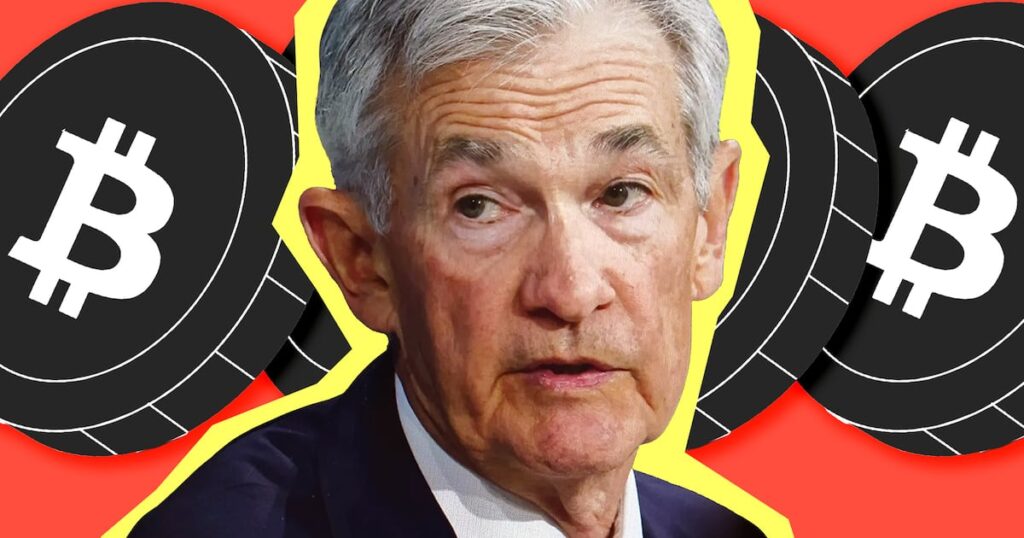
As Bitcoin reaches a notable high of $75,000, analysts warn that the rally may soon lose steam. Despite these concerns, institutional investors are doubling down on the leading cryptocurrency, indicating a complex landscape for Bitcoin's future.
This week, Strategy, the world's largest digital asset treasury company, continued its aggressive buying spree with a staggering purchase of $1.6 billion in Bitcoin. This acquisition has raised their total Bitcoin holdings to an impressive $58 billion. Chair and well-known Bitcoin bull, Michael Saylor, remains optimistic, reflecting a broader institutional bullish sentiment towards Bitcoin, according to research analyst Mark Pilipczuk of CF Benchmarks.
March has proven to be a pivotal month for Bitcoin, marking the best performance since October with over $1.5 billion poured into Bitcoin exchange-traded funds (ETFs), as reported by DefiLlama. This increase in demand is poised to end a four-month selling streak which had seen Bitcoin's value plummet more than 40% from its peak of $126,000. “The combination of exchange-traded fund demand and corporate treasury buying is providing a durable bid even as broader sentiment remains cautious,” Pilipczuk noted in an investor note shared with DL News.
In the past week alone, Bitcoin's price has surged by 6%, a recovery largely fueled by institutional demand. However, analysts have cautioned that the recent rally may be artificially inflated due to short sellers being forced to liquidate their positions as prices rose. Once this selling pressure diminishes, the cryptocurrency's price may face downward pressure, analysts conveyed to DL News on Monday.
With the Federal Reserve's meeting set for Wednesday, all eyes are on how economic policies will be affected by the escalating conflict in the Middle East. The ongoing war has caused oil prices to spike over $105 a barrel, adding to inflationary pressures that could influence the Fed's decisions. Investors will be keenly observing the tone set by Fed Chair Jerome Powell, looking for clues regarding interest rates and potential cuts later this year.
Economist Ed Yardeni characterized the upcoming Federal Open Market Committee meeting as complicated by the “fog of war.” Policymakers are grappling with a conflict that has significantly disrupted global oil supplies, with reports indicating that a fifth of the world's oil is affected. This has driven inflation rates to hover about a percentage point above target, creating uncertainty in financial markets.
Current assessments suggest that there is a near-certainty of the Fed maintaining interest rates within the 3.50% to 3.75% range for this meeting. This is a drop from December, when the likelihood of a rate cut was estimated at around 58%. If Powell signals an inflationary tone, it could indicate a cautious stance on cutting rates, which typically benefits riskier assets like Bitcoin.
In the midst of this market turbulence, military actions in the Middle East, including US and Israeli airstrikes, have closed the strategic Strait of Hormuz, further complicating supply chains. The European Union has declined to support naval operations in the area, despite White House appeals for assistance. Adding to the situation, the amphibious assault ship USS Tripoli, reportedly carrying 2,200 Marines, has been tracked near the Malacca Strait, heading towards the Middle East, while the Nimitz-class USS Abraham Lincoln is currently supporting Operation Epic Fury.
As markets oscillate between fear and relief, the S&P 500 saw a 1% rise on Monday, bouncing back from a 5% decline since reaching its record high on January 27. “The expression ‘the fog of war’ is a bit confusing because fog often lifts within an hour,” Yardeni remarked. “Wars last much longer.”
- Bitcoin is currently up 1.4% over the past 24 hours, trading at $74,239.
- Ethereum has seen a 3.2% increase in the past 24 hours, bringing its price to $2,324.
As the situation continues to evolve, the dual influences of institutional investment in Bitcoin and geopolitical tensions present a dynamic challenge for investors. The coming days will be crucial in determining the trajectory of both cryptocurrency markets and broader economic conditions.
March Madness Alert: Discover 9 NBA Draft Prospects You Won’t Believe Are Game-Changers!

You Won't Believe What Applause Entertainment Just Announced – 5 Jaw-Dropping Microdramas Set to Change Indian TV!

Is Elijah Sarratt the Next NFL Superstar? Shocking Stats Reveal His True Potential!

Are These 5 Unbelievable Trends in China's Snacks Market About to Change Your Diet Forever?

Revolutionary Microdrama Alert: How Applause & Story TV Are Shocking India with 20 Must-Watch Episodes!

Steve Kerr's Shocking Decision After Warriors' 7-Game Losing Streak Leaves Fans in Awe!
You might also like: