
Is ASEAN+3's Energy Future at Risk? Discover the Shocking Truth Behind Their Resilience Plan!

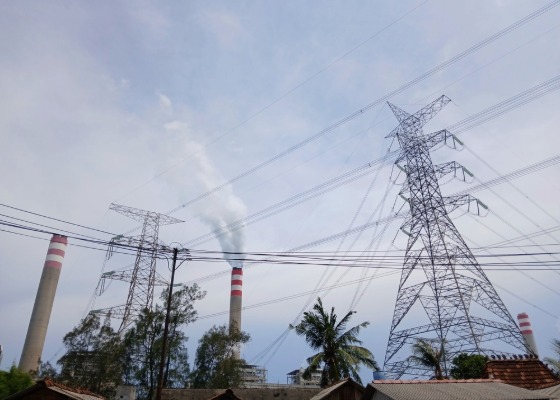
Energy systems across the ASEAN+3 region, which includes the Association of Southeast Asian Nations along with China, Japan, and South Korea, are facing significant challenges. A combination of climate shocks, rising electricity demand fueled by advancements in artificial intelligence (AI) and digital infrastructure, and geopolitical tensions are putting unprecedented strain on the region's energy landscape.
The climate crisis is no longer a distant threat; it is now a pressing issue that impacts critical energy systems, including power generation, fuel supply chains, and electricity networks. As noted, the Asia-Pacific region was among the most affected by natural disasters in 2024, with economic losses totaling around $320 billion. Floods and typhoons in Southeast Asia frequently disrupt food production, logistics, and crucial infrastructure, including energy systems and fuel transport networks.
These natural disasters create a ripple effect through the economy. Damage to energy infrastructure can lead to electricity supply interruptions, increased energy costs, and subsequently rising food prices due to disrupted logistics. This cycle of damage and recovery results in higher fiscal expenditures for governments, while businesses face weakened balance sheets and increased credit risks for banks and insurers.
To effectively manage climate risks, the region must look beyond mere emergency response strategies. Sustainable investment in climate adaptation is essential. The United Nations Environment Programme (UNEP) estimates that East Asia and the Pacific requires approximately $141 billion annually for climate adaptation—more than any other developing region. Unfortunately, many economies tend to allocate disaster-related funds only after calamities strike, which is a reactive rather than a proactive approach.
Technological advancements are also reshaping electricity demand patterns. The rapid growth of AI and digital infrastructure, particularly data centers, is spurring a significant increase in electricity consumption. According to the International Energy Agency, electricity demand in Southeast Asia grew by more than 7% in 2024 and is projected to double by 2050, signaling one of the fastest growth rates globally. Countries like Singapore, Malaysia, and Indonesia are emerging as key regional hubs for cloud services and AI infrastructure.
As digital infrastructure continues to expand, the demand for electricity is expected to rise further. While renewable energy capacity is on the rise, there are concerns that if generation does not scale quickly enough to meet this escalating demand, governments may resort to fossil fuels to ensure a stable power supply.
Geopolitical tensions add another layer of complexity to the energy landscape. Conflicts and trade frictions threaten to disrupt global energy supply chains and can shift investment decisions, exacerbating volatility in fuel prices. Many ASEAN+3 economies heavily rely on imported fuels, including liquefied natural gas, making them particularly vulnerable to these fluctuations. Rising global energy prices can lead to higher inflation and increased fiscal pressures, further straining macroeconomic stability.
To counter these mounting challenges, several strategies must be considered. First, investing in climate-resilient infrastructure can enhance energy systems' robustness against natural disasters, thereby reducing economic disruptions. Additionally, expanding electricity generation capacity, strengthening transmission networks, and accelerating the deployment of non-fossil energy sources are vital for meeting growing power demands while aligning with climate goals.
Regional initiatives like the ASEAN Power Grid can play a crucial role in strengthening cross-border electricity trade, diversifying energy sources, and enhancing the resilience of regional energy systems. Furthermore, ASEAN+3 countries can bolster their resilience through enhanced financial mechanisms. Developing new financial and insurance instruments can help governments manage the fiscal impacts of climate shocks and support investments in resilient infrastructure.
Discussions are already underway within the ASEAN+3 Finance Process on a disaster-risk financing initiative aimed at improving fiscal risk management and expanding financial instruments for disaster response. The ASEAN+3 Macroeconomic Research Office (AMRO) is increasingly recognizing the interplay between climate risks, energy market volatility, and rising electricity demand, which creates macroeconomic vulnerabilities. Their annual consultation reports now include environmental assessment sheets to evaluate how climate risks may impact macroeconomic conditions and fiscal sustainability.
Enhancing energy resilience is not merely an energy-policy priority; it is a macroeconomic imperative. Countries in the ASEAN+3 region are at a crossroads, facing the dual challenges of climate risk and technological change amid geopolitical uncertainties. By investing in resilient and sustainable energy systems and fostering regional cooperation, they can navigate these challenges more effectively, supporting stable and inclusive economic growth. In light of recent global turmoil, the urgency to address these issues has never been greater.
Yasuto Watanabe is the Director and CEO of the ASEAN+3 Macroeconomic Research Office (AMRO).
Bruno Fernandes Drops Bombshell on Ronaldo's Shocking Absence - Will Portugal Survive the Friendlies?

Project Hail Mary Soars to $80 Million—What Shocking Secrets Fueled This Record-Breaking Premiere?

Could Mississippi's Health Officer Become the CDC's Most Controversial Leader? Shocking Changes Ahead!
You Won't Believe What Happens When You Try to Access This Shocking Secret! 7 People Tried and Failed!

Chicago's Shocking NFL Draft Trade: Will They Sacrifice a Star for THIS Controversial Move?
You Won't Believe What Happens When Access Is Denied: Shocking Consequences Revealed!
You might also like: