Is America's Exit from Global Bodies the Death Knell for Our Planet? Shocking Truth Revealed!

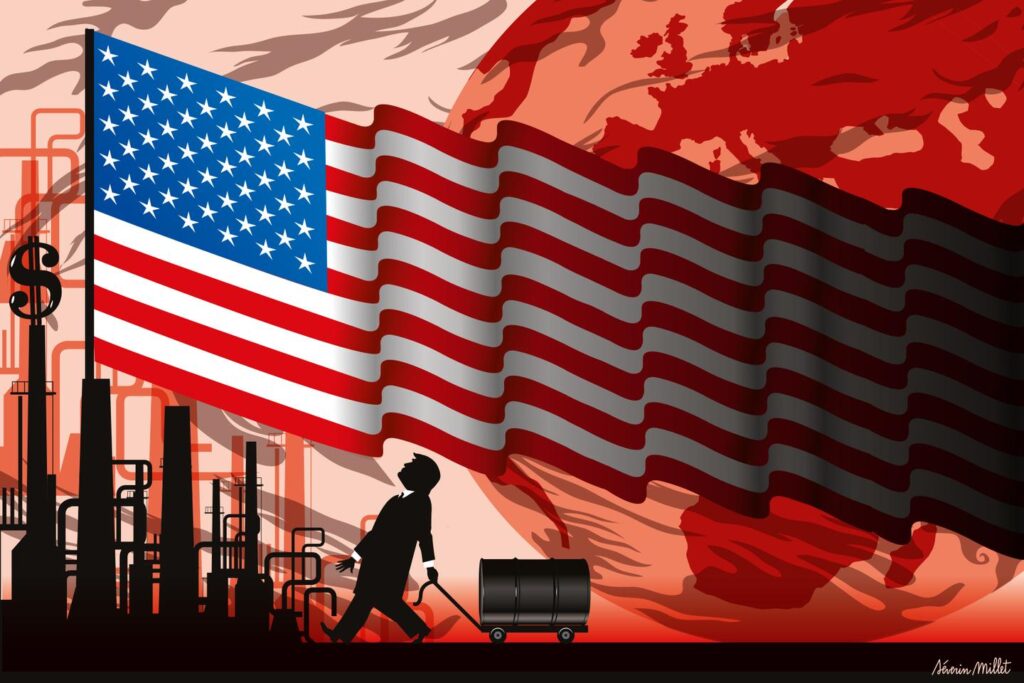
The United States has taken a definitive step back from international climate cooperation, a decision that could have severe repercussions for global environmental efforts. On January 7, 2026, the Trump administration announced the country’s withdrawal from 66 organizations, approximately half of which are linked to the United Nations. Among the most significant of these institutions are pivotal entities like the United Nations Framework Convention on Climate Change (UNFCCC), the Intergovernmental Panel on Climate Change (IPCC), and the Intergovernmental Science-Policy Platform on Biodiversity and Ecosystem Services (IPBES).
This withdrawal is emblematic of a broader trend under President Donald Trump, who has consistently characterized climate change as a "hoax" and prioritized what his administration claims are "national interests" over global environmental obligations. The decision to step away from these organizations threatens to exacerbate the already critical ecological crises facing the planet.
The UNFCCC, established in 1992, serves as the foundational treaty for all subsequent international climate agreements, including the Paris Agreement. It recognizes the existence of human-caused climate change and establishes the annual Conferences of the Parties (COPs), where nations negotiate strategies to reduce greenhouse gas emissions. The U.S. now stands as the first country ever to withdraw from this treaty, which has garnered ratification from 198 nations and received approval from the U.S. Senate.
“Having the world's largest historical emitter step away is a complete abdication of responsibility,” said Rachel Cleetus, the policy director for the climate and energy program at the Union of Concerned Scientists.
The implications of this withdrawal extend far beyond diplomatic relations; they could stall or even reverse progress in international climate action. With the U.S. being one of the largest contributors to historical emissions, its absence from crucial negotiations could hinder collective efforts to mitigate climate impacts, particularly at a time when extreme weather events and ecological disruptions are rising in frequency and severity.
As climate change continues to pose existential threats—resulting in devastating wildfires, hurricanes, and unprecedented flooding—this step back raises urgent questions about the future of international collaboration in addressing these challenges. The U.S. has long been viewed as a leader in global climate initiatives, and its exit could embolden other nations to reconsider their commitments to environmental treaties.
In light of these developments, many environmental advocates are calling for renewed efforts to engage not just the federal government but also state and local entities. The path forward may depend on grassroots movements and subnational actions that can fill the vacuum left by federal withdrawal. In this context, the actions of individual states, businesses, and citizens may take on added significance as they strive to combat climate change despite the federal stance.
This pivotal moment underscores the broader implications of U.S. policy choices on global environmental efforts, raising alarms about the future trajectory of climate action on an international scale. As the world grapples with the ongoing climate crisis, the need for cooperative strategies has never been more pressing. The U.S. decision to withdraw from these critical organizations not only signals a retreat from global leadership but also risks diminishing the collective momentum necessary to confront one of the greatest challenges of our time.
Maryland's Vaccine Policy at Risk: Wes Moore's Bold Move You Won't Believe! What Happens Next?

You Won't Believe How Indiana's Stunning 45-10 Win Ripped Oregon Apart—Social Media Explodes!
XRP’s Shocking Turn: What the FCA Milestone Means for Your Wallet in 2023!
Trump’s White House Faces Backlash as 2025 Job Numbers Plummet—What They’re Not Telling You!

Oil Giants Meet with Trump: Shocking Venezuela Energy Secrets Revealed! What’s at Stake?
Protesters Storm Governor's Mansion: You Won’t Believe What They Demanded from ICE!
You might also like: