Is 2016 Making a Comeback? Discover the Shocking Stats Behind Social Media's Nostalgic Twist!

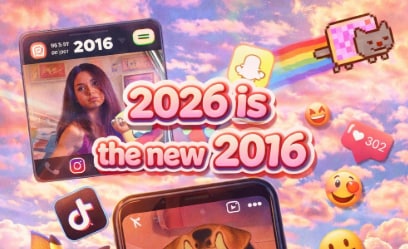
As we dive into 2026, a wave of nostalgia is sweeping across social media platforms, harkening back to the sights, sounds, and energies of 2016. Users are revisiting that year, often viewed through a sentimental lens that presents the mid-2010s as a playful chapter in the evolution of internet life. This trend isn't just about reminiscing; it's fueled by a collective yearning for the days when online experiences felt more enjoyable and less overwhelming.
The internet landscape of 2016 was defined by its messiness and vibrancy. Photos were often oversaturated, filters were bold, and posts were frequently spontaneous. Unlike today's meticulously curated feeds, shaped heavily by algorithms and trending aesthetics, content from 2016 was characterized by a sense of authenticity and immediacy. Back then, users shared moments simply because they were worth sharing—not necessarily because they fit into a specific narrative or strategy.
At the heart of this revival are visual throwbacks. Users are embracing bright colors, grainy selfies, and effects that feel intentionally outdated, finding comfort in their simplicity. This nostalgia highlights a longing for a time when social media was more experimental, a space that felt welcoming rather than overly polished. By recreating the visual style of 2016, users are momentarily escaping the slick sameness that dominates modern feeds.
Humor from that era is also making a comeback. Older memes are being reshared not for their cleverness but for their straightforwardness. Compared to today's fast-moving and self-aware meme cycles, the jokes from 2016 seem slower and more accessible. This nostalgia hints at a desire for shared online experiences that didn’t rely on irony or constant updates to remain relevant.
The context for this trend lies in how drastically the internet has transformed over the past few years. With the rise of automation and a deluge of generated content, many users are experiencing fatigue from the exhaustive volume of material vying for their attention. Looking back at 2016 offers a mental reset, reminding users of a time when online spaces felt smaller, more human, and less overwhelming.
It's important to note that this trend doesn’t imply that 2016 was devoid of issues—many challenges shaping today's digital landscape were already present back then. However, the distance from that time has softened memories, allowing users to focus on the chaos, novelty, and fun that characterized the era. Nostalgia, in this sense, becomes more about evoking a mood than reliving a perfect past.
Ultimately, the return to 2016 reflects a broader craving for lightness in a digital environment that often feels crowded and exhausting. Revisiting that era provides a sense of familiarity and comfort. For many, it’s a way to remember when the internet felt like a playground, and it offers an opportunity to infuse a bit of that joyous energy into 2026. As users continue to share these nostalgic moments, the question remains: How will this emotional longing shape the future of social media interactions?
You Won't Believe What Natalie Portman and Seth Rogen Just Did at Sundance—Shockingly Bold Move!
You Won't Believe What This $10 Pouch Can Do to Your Smartphone at Concerts! Find Out Now!

Shocking IVF Breakthrough: 70% of Couples Are Missing This Life-Changing Secret!

Korea's Startups Are About to Explode! Discover the Shocking Changes Coming in 2026!

You Won't Believe How Snacking Habits Will Change in 2026: Discover the Shocking Truth Behind Fruit and Nut Craze!
Should Your Kids’ Smartphones Be Confiscated at School? Shocking Stats Reveal the Dangers!
You might also like: