
Iraq on the Brink: Why a 6-Month Government Vacuum Could Cost You Thousands!

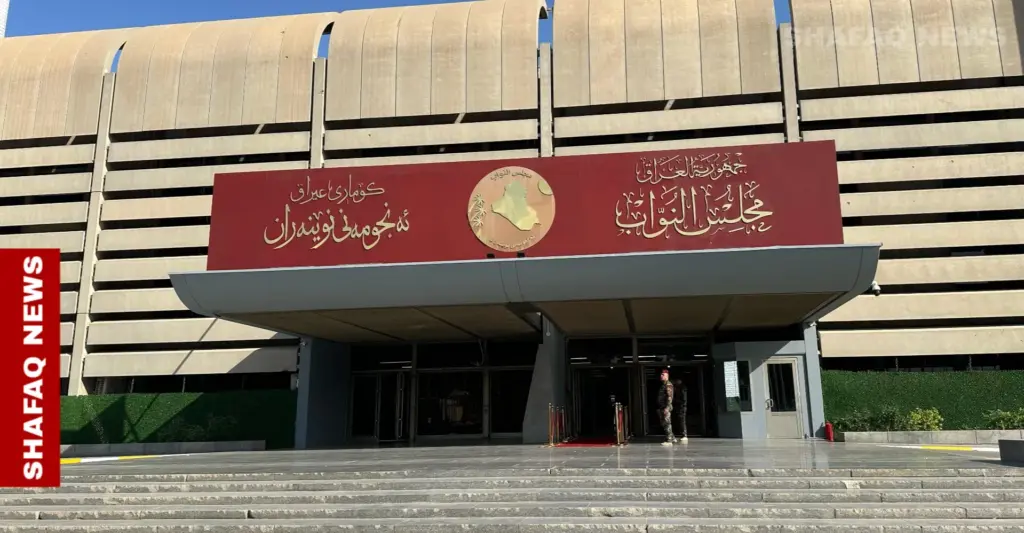
On November 11, 2025, Iraq conducted its sixth parliamentary election since the 2003 invasion, with voter turnout exceeding 56%. As the new legislature prepares to convene, it faces significant hurdles: not only must it form a government, but it must also address long-standing constitutional issues, all while navigating a landscape marked by political divisions and economic challenges.
The political environment in Iraq has reached a critical juncture, particularly after the Federal Supreme Court's decision to dissolve the current parliament and downgrade the government to a caretaker status. This unprecedented decision has resulted in an overlapping legislative and executive vacuum that has not been seen since 2003. Currently, over 120 legislative proposals remain stalled, while more than 6,000 administrative decisions await approval—tasks that a caretaker cabinet is legally prohibited from handling.
Caretaker governments in Iraq are restricted to routine operations; they cannot pass new laws, approve multi-year contracts, negotiate long-term investment deals, or implement structural reforms. In practice, these governments function at only 20-30% of their normal capacity. This limitation comes at a time when Iraq's political and economic pressures necessitate full executive power, marking one of the most constrained periods in two decades.
Amer al-Fayez, a newly elected independent lawmaker, emphasized the immediate priorities for the new parliament, which include selecting the prime minister, president, and parliamentary speaker along with their deputies. These roles are critical for forming the next government. Al-Fayez pointed to the much-delayed Federal Council Law as vital for legislative stability. He noted that Iraq is one of the few countries in the region without a bicameral legislative structure, a gap that has fueled ongoing political deadlock.
“Iraq remains one of the few countries in the region without a bicameral legislative structure,” he stated, highlighting how this absence complicates governance.
Additionally, the Oil and Gas Law is essential for stabilizing Iraq's economy. This law sets the framework for relations between oil-producing provinces, such as Basra and Kirkuk, and the federal government in Baghdad, including revenue-sharing arrangements with the Kurdistan Region. Disputes between Baghdad and Erbil have intermittently halted oil exports, costing both sides billions. Given Iraq's average production of 4.3 million barrels per day, the lack of a unified oil framework continues to pose significant economic challenges.
The first session of the new parliament is expected after January 9, 2026, and al-Fayez criticized the current political vacuum, which has stymied productivity. Unlike previous election cycles, during which both parliament and government continued to operate until a new parliament was convened, the current situation could lead to protracted delays in governance.
Political analyst Ali Habib explained that the Supreme Court's simultaneous termination of both the parliament and the government mandates has resulted in institutional fragility, putting immense pressure on the political system to rebuild public trust. He warned of increasing division within the political landscape, citing factors such as Muqtada al-Sadr's boycott, the influence of the Coordination Framework, fragmented Sunni blocs, and internal splits among other political groups. These divisions could further delay the formation of a national majority government, echoing challenges seen in the 2021 cycle.
Furthermore, the ongoing political vacuum threatens to stall sensitive issues, including Baghdad-Erbil relations and the status of Iran-backed armed groups operating outside state control. A 2025 UN report indicated that around 20 armed factions remain only partially integrated, complicating stabilization efforts and heightening the risk of security escalations.
Economically, Iraq is facing rising pressure. Nearly 90% of state revenue derives from oil, and the budget's vulnerability to global price fluctuations is concerning. Salaries alone account for approximately 40% of government spending. The caretaker status has frozen thousands of contracts valued between $8-10 billion, which are crucial for ongoing infrastructure and water projects, as well as local services.
Political researcher Muhannad al-Rawi described Iraq's economy as being in "its worst condition," citing high inflation, increasing debt, and volatile oil revenues. He cautioned that the next government will likely confront a severe financial crisis that could threaten national stability. With more than 3 million civil servants and 2.5 million pensioners, a significant downturn in oil prices (below $70 a barrel) could hinder the government’s ability to meet monthly salary obligations exceeding $5 billion.
This scenario would transform the budget into an operating cost structure, leaving little room for investment and halting development projects, road upgrades, and improvements to electricity, further entrenching economic stagnation. Al-Rawi predicted that the formation of the next government could take three to four months under optimal conditions, exacerbating the pressure on financial institutions and planning bodies.
Malaysia's Shocking New Law: Social Media Ban for Kids Under 16 Starts Next Year – What Parents MUST Know!
Shocking Crypto Moves: You Won't Believe What Hedera, Bitcoin & Ethereum Did Today!

Is Your Bank Trying to Lure You Into a Lifestyle Trap? Discover the Shocking Truth Behind Premium Banking!
You Won't Believe What Happens When 3 Strangers Try to Access This Secret Website!
Doug Jones vs. Alabama: Can This Former Senator Shake Up the 2026 Governor Race? Shocking Insights Inside!

12 AI Startups Unveiled at MBZUAI Demo Day: Which Game-Changer Will Dominate 2024? Don’t Miss This!
You might also like: