
Iran War Escalates: Trump Claims 3 Major Breakthroughs! What’s Next for the Strait of Hormuz?

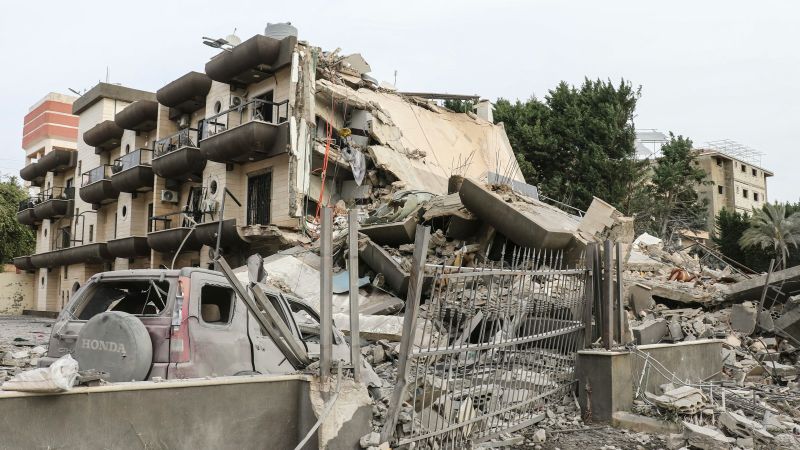
The United States and Iran are currently navigating a complex diplomatic landscape as they inch closer to an agreement aimed at ending ongoing tensions. This past weekend, marathon negotiations in Islamabad failed to produce a resolution, but recent developments suggest a renewed willingness on both sides to engage in dialogue.
Within the last 12 hours, optimism has emerged from the Trump administration, which has indicated a more favorable outlook regarding a potential deal with Iran. Iranian Foreign Minister Abbas Araghchi has also reiterated Tehran's commitment to peace, signaling a possible thaw in relations. The U.S. is relying on Pakistan to act as a key mediator in these discussions, highlighting the unique role Islamabad plays in facilitating dialogue between Washington and Tehran.
Thursday's Talks: Iranian officials are set to meet with Pakistan’s military chief, General Asim Munir, in Tehran today to discuss the recent communications between Iran and the U.S. This meeting follows Munir's arrival in Tehran on Wednesday, where he conveyed a message from Washington. The Pakistani delegation's involvement suggests that Pakistan's influence in the region is being leveraged to bridge gaps between the two countries.
Message from Washington: The sentiment from the U.S. side has been one of cautious optimism. White House Press Secretary Karoline Leavitt commented, “Nothing is official yet, but we feel good about the prospects of a deal.” This statement reflects a shift in tone from earlier positions, as officials express hope for a new phase in U.S.-Iran relations.
Sanctions Environment: The U.S. Treasury is also taking a hard stance by preparing to impose secondary sanctions on countries that continue to buy Iranian oil or engage in financial transactions with Tehran. Treasury Secretary Scott Bessent announced sanctions on over two dozen individuals, companies, and vessels linked to the Iranian oil and gas sectors. Such measures underscore the U.S. commitment to exerting economic pressure while simultaneously exploring diplomatic avenues.
Naval Tensions: The backdrop to these negotiations is fraught with tension. Iran has threatened to disrupt shipping in critical waterways, including the Red Sea and the Persian Gulf, if the U.S. continues its blockade of Iranian ports. This threat could have significant ramifications, particularly for global oil markets and maritime security.
Market Reactions: The ongoing diplomatic efforts have had tangible impacts on the financial markets. Asian stocks surged on Thursday, buoyed by a rally in U.S. markets, particularly the S&P 500 and Nasdaq Composite, which recently hit record highs. Investor sentiment has improved with the prospect of an extended ceasefire and a conclusive agreement with Iran. A slight pullback in oil prices, although still elevated compared to pre-war levels, has further fueled this optimism.
Espionage Concerns: The geopolitical landscape is not devoid of espionage concerns either. A report from the Financial Times suggests that Iran is utilizing a Chinese spy satellite to monitor U.S. military bases in the region. This development raises questions about the implications of Iran's growing military capabilities and its alliances, particularly with China.
Humanitarian Warnings: As the situation unfolds, international voices are calling for caution. UK Foreign Secretary David Miliband has warned of a looming humanitarian crisis if the Strait of Hormuz remains closed. He has urged for the establishment of a humanitarian corridor to facilitate the delivery of essential supplies, including food and medical aid, to avert what he described as a “famine time bomb” that could detonate by June.
As the U.S. and Iran continue their negotiations, the stakes remain high. The interplay of diplomacy, economic sanctions, and military posturing will shape not only their bilateral relations but also broader geopolitical dynamics. The next steps taken by both parties will be crucial in determining whether this moment of potential reconciliation can be transformed into a lasting peace.
You Won't Believe Which 5 Players Could Change Everything at G Day—#3 Will Shock You!

Unlock the 7 Secrets Influencers Use to Boost Their Social Media Impact—#3 Will SHOCK You!

You Won't Believe This Fitness Coach's 10-Hour Daily Routine for Melting Away Belly Fat!

ASU's 2025-26 Election Results: Shocking Upsets and Controversial Choices That Could Change Everything!

You Won’t Believe What Shocking AI Innovations Were Revealed at the Hong Kong Forum – Don’t Miss Out!

Why This Facility Services Exec Says 97% of Companies Are Failing at Social Media – Are You One of Them?
You might also like: