
iPhone's Shocking New Feature Could Change Everything—Are You Ready to Be Left Behind?

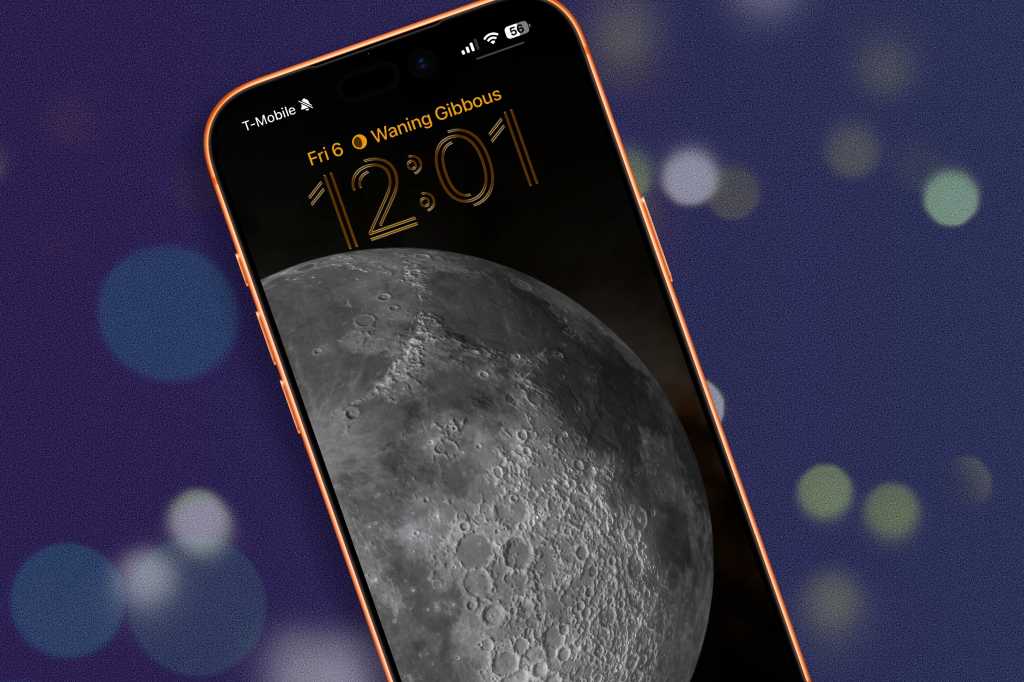
NASA is set to launch its highly anticipated Artemis II mission to the moon on March 6, marking a significant milestone in its lunar exploration efforts. For the first time in history, NASA is allowing crew members to bring their smartphones into space, a decision that was announced by NASA Administrator Jared Isaacman.
While specific details about the devices are still emerging, Apple confirmed to MacRumors that this mission will see the iPhone fully qualified for extended use in orbit and beyond. This suggests that at least one astronaut will be equipped with an iPhone, enabling them to capture moments from their historic journey.
NASA astronauts will soon fly with the latest smartphones, beginning with Crew-12 and Artemis II. We are giving our crews the tools to capture special moments for their families and share inspiring images and video with the world. Just as important, we challenged long-standing…
— NASA Administrator Jared Isaacman (@NASAAdmin) February 5, 2026
This decision to incorporate smartphones into the mission reflects a shift in NASA's stringent technology requirements. Historically, the agency has prioritized specialized equipment for space missions; for example, the newest camera onboard the Artemis II is a 2016 Nikon DSLR. Allowing astronauts to use iPhones will provide them the flexibility to capture spontaneous moments at a moment's notice, potentially enriching their experience and the public's connection to space exploration.
The iPhone's journey into space isn't entirely new; the device first made its debut on a space mission in 2011 with two iPhone 4s sent aboard the Space Shuttle. However, those devices were reportedly never used. In contrast, smartphones have been successfully employed by private astronauts on commercial space flights, showcasing their viability in space environments.
The inclusion of an iPhone on Artemis II raises intriguing questions. One particularly amusing consideration is how the device will appear on Apple's Find My app. Will it show up as a tiny icon on a map of the moon, marking its distant location? Such scenarios underscore the blend of high-tech and human experience that NASA is aiming to foster in this upcoming mission.
As the Artemis II mission gears up for launch, it not only signifies a step forward in lunar exploration but also highlights the evolving relationship between technology and space travel. By embracing the use of consumer technology like smartphones, NASA is not only aiming to enhance astronauts' experiences but also to inspire future generations intrigued by the wonders of space.
With the Artemis II mission, NASA continues to push the boundaries of space exploration while fostering a closer connection between astronauts and the public. As the mission approaches, excitement is building, and many will be eager to see the stunning images and stories that emerge from this groundbreaking journey.
Tragic Discovery: Lil Jon's Son Found in Atlanta Pond – What Really Happened?
You Won't Believe What's Hidden in AT&T's New Kid-Friendly Smartphone and Smartwatch!
Unlock These 7 Mind-Blowing Apple Watch Hacks Tonight—#4 Will Change Your Fitness Game Forever!
Is This $200 Smartphone Really a 16GB RAM Powerhouse with a 12-Mile Radio? You Won’t Believe What It Can Do!

BellRing Brands Stock Just Tanked 25%—Here’s What Investors Are Fearing the Most!

Deion Sanders’ Shocking NFL Denial: What He Revealed About His Son Will Leave You Speechless!
You might also like: