
Instagram's Chief Claims Social Media Isn't Addictive—Here’s Why You NEED to Know the Shocking Truth!

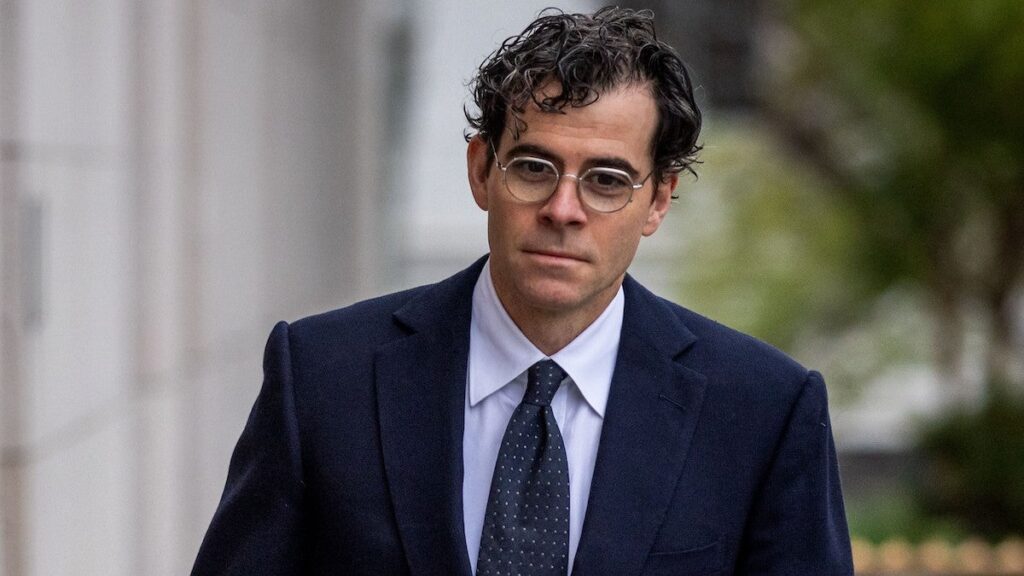
In a pivotal trial taking place in Los Angeles, Instagram’s CEO Adam Mosseri defended the platform amidst accusations that social media can harm mental health, particularly among teenagers. On the second day of proceedings, Mosseri asserted that social media is not “clinically addictive,” despite admitting that it can have detrimental effects. He emphasized that Instagram has implemented safety protocols specifically for young users, which are tested before new features are released. Furthermore, he denied any prioritization of profit over the well-being of the platform’s most vulnerable users.
“There’s always a trade-off between safety and speech,” Mosseri stated, as reported by The New York Times. “We’re trying to be as safe as possible and censor as little as possible.” This statement highlights the ongoing debate about the responsibilities of social media companies in protecting users while also supporting freedom of expression.
Mosseri elaborated that while teenagers—and indeed anyone—could find themselves drawn to social media in a way that resembles an addiction to a captivating television show, he distinguished this from “clinical addiction.” This distinction is critical as it sheds light on how these platforms are perceived in terms of user engagement and mental health impacts.
The trial centers around a lawsuit filed by a 20-year-old woman, identified only as KGM, who claims that her early and excessive use of Instagram and YouTube exacerbated her mental health challenges, leading to depressive episodes and suicidal thoughts. In 2023, KGM pursued legal action against a coalition of social media companies, having already settled with TikTok and Snap Inc., the parent company of Snapchat, for undisclosed terms last month.
During the opening statements of the trial, lawyers for YouTube argued that the platform should not be categorized as a social media site. Instead, they claimed it operates more like an entertainment service akin to Netflix. Luis Li, YouTube’s lawyer, emphasized this point to draw a distinction from traditional social media platforms like Facebook.
However, KGM’s attorney, Mark Lanier, made a compelling case during Monday's proceedings by referencing internal documents from Google, YouTube’s parent company. He noted that certain features were referred to as “slot machines,” suggesting manipulative design practices aimed at enhancing user engagement at the cost of mental health. Lanier also cited Meta documents indicating that some employees likened the company’s methods to those of tobacco companies, a comparison that raises significant ethical concerns regarding the tech industry’s practices.
The implications of KGM’s case are monumental. Should the prosecuting attorneys prevail, it could lead to a restructuring of how social media companies design their applications, introduce new regulations, and potentially open the floodgates to numerous additional legal claims against these tech giants.
As society grapples with the profound effects of social media, particularly on youth, the outcome of this trial may well shape the future of digital engagement. It underscores the pressing need for accountability within the tech industry, especially as it continues to evolve and expand its influence on daily life. The stakes are high, not just for the companies involved but for the millions of users who navigate these platforms daily, often in search of connection but sometimes at a significant personal cost.
Raiders Shock the NFL by Hiring Klint Kubiak – What That Means for 2026! You Won't Believe the Fallout!

AI Startup Modal Labs on the Brink: Will a $2.5B Valuation Change the Game Forever?
You Won't Believe How 5-Minute 'Mind-Body Snack Breaks' Could Slash Your Injury Risk by 70%!

Urgent Call: Who Will Fill the Controversial Sixth Judicial District Judgeship? Don't Miss Out on This!

Are Gen Z Ditching Smartphones? Shocking Stats Show a 40% Drop to Flip Phones & MP3s!
You Won't Believe What Happened in Week 4 of the 2026 Session - Shocking Vote Changes Could Impact Your Future!
You might also like: