
Indonesia’s Shocking New Rule: Why Kids Under 16 Could Lose ALL Social Media Access!

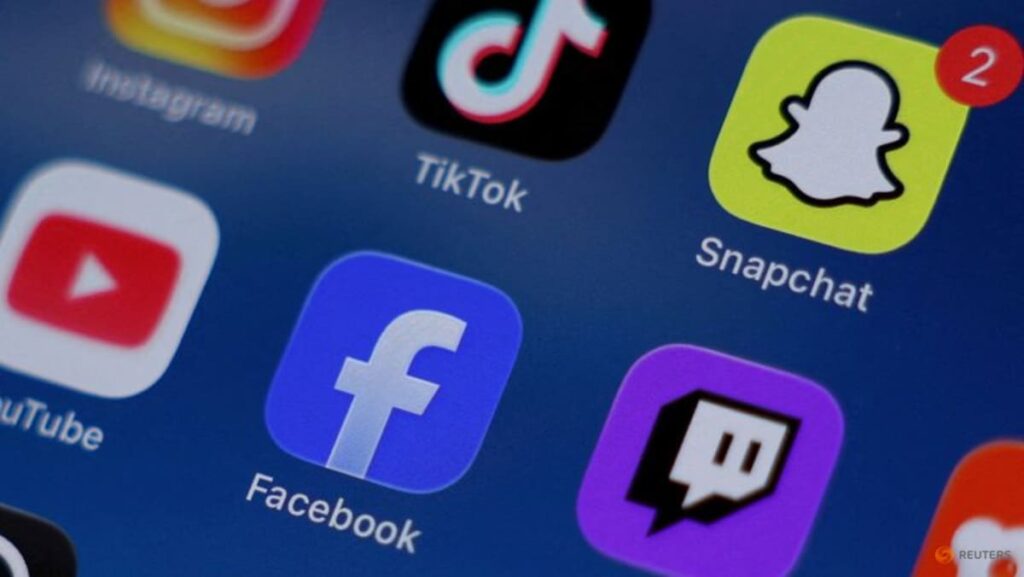
In a move aimed at addressing the growing concerns about children's mental health and safety in the digital age, Indonesia's Minister of Communications and Information Technology, Meutya Hafid, announced stringent regulations targeting social media platforms. This decision, which she described as a necessary response to a "digital emergency," aims to restrict children's access to various online services, despite acknowledging that implementation will pose challenges.
According to Minister Meutya, the regulation is designed to "reclaim the sovereignty of our children's future," emphasizing the intent to ensure that technology serves to enhance human experiences rather than detract from childhood. She expressed that the regulatory measures would likely lead to initial inconveniences, particularly for the tens of millions of children in Indonesia who are active internet users. "Children may complain and parents may feel confused about how to handle those complaints," she stated, highlighting the anticipated pushback.
In her remarks, Meutya noted that excessive use of digital platforms can adversely affect children's mental health and development. She clarified that the primary focus of the regulation is on technology companies, rather than on children or parents. This regulatory framework will impose sanctions on platforms that fail to meet their obligations for child protection. The Indonesian government is sending a clear message: it expects greater accountability from digital service providers regarding the content available to young users.
Challenges and Implications
While the initiative has been welcomed as a significant step toward safeguarding children online, experts caution that enforcing age-based restrictions can be problematic. Bimantoro Kushari Pramono, a lecturer in human-computer interaction at Universitas Indonesia, remarked that most social media platforms depend on self-declared age systems. "Users are simply asked to enter their date of birth when creating an account. Technically, anyone can claim to be older than they actually are," he explained.
Nonetheless, Bimantoro believes that this regulation serves as a pivotal regulatory signal, indicating that the Indonesian government is starting to demand greater responsibility from digital platforms for their social impacts. He suggested that such policies could inspire technology companies to implement more robust age verification mechanisms and stronger child protection systems in the long run. "This policy is not merely about restricting children’s access but also part of a broader negotiation of power between the state and global digital platforms in governing the digital space," he noted.
On the heels of these announcements, the Indonesian Communications Ministry issued a stern warning to Meta, the parent company of platforms such as Facebook, Instagram, and WhatsApp. The warning came following an unscheduled visit by Minister Meutya to Meta's operational office in Jakarta. The ministry criticized Meta for its inadequate measures to combat the spread of online gambling and disinformation, citing that the company had acted on only 28.47 percent of flagged content related to these issues.
This regulatory approach reflects a growing global concern over how digital platforms affect vulnerable populations, particularly children. As countries grapple with the implications of unrestricted internet access for minors, Indonesia's latest move may serve as a bellwether for other nations considering similar regulations. With the stakes high, the success of this initiative will depend on the collaborative effort between the government and technology companies to prioritize children's safety and mental well-being.
Is Your Phone About to Become Obsolete? Shocking 7% Drop in Global Smartphone Shipments by 2026!

Jackie 'O' Henderson's Shocking $100M Exit: What Happens Next Will Leave You Speechless!

This Maine Village is Selling for Less Than a NYC Apartment—Don’t Miss Out on Your Own ‘Schitt’s Creek’!

Is Your Drinking Water Secretly Sabotaging Poultry Vaccines? Shocking Study Reveals the Hidden Risk!

Yongsoo Kim's Shocking Rise to President: What This Means for Webtoon and Your Favorite Series!

Utah’s Shocking Last-Minute Debate: Will Lawmakers Really Tax Nicotine and Boost the Governor’s Pay?
You might also like: