
Indians Hit Hard: 70% Face US Visa Refusals Amid Shockingly New Social Media Rules!

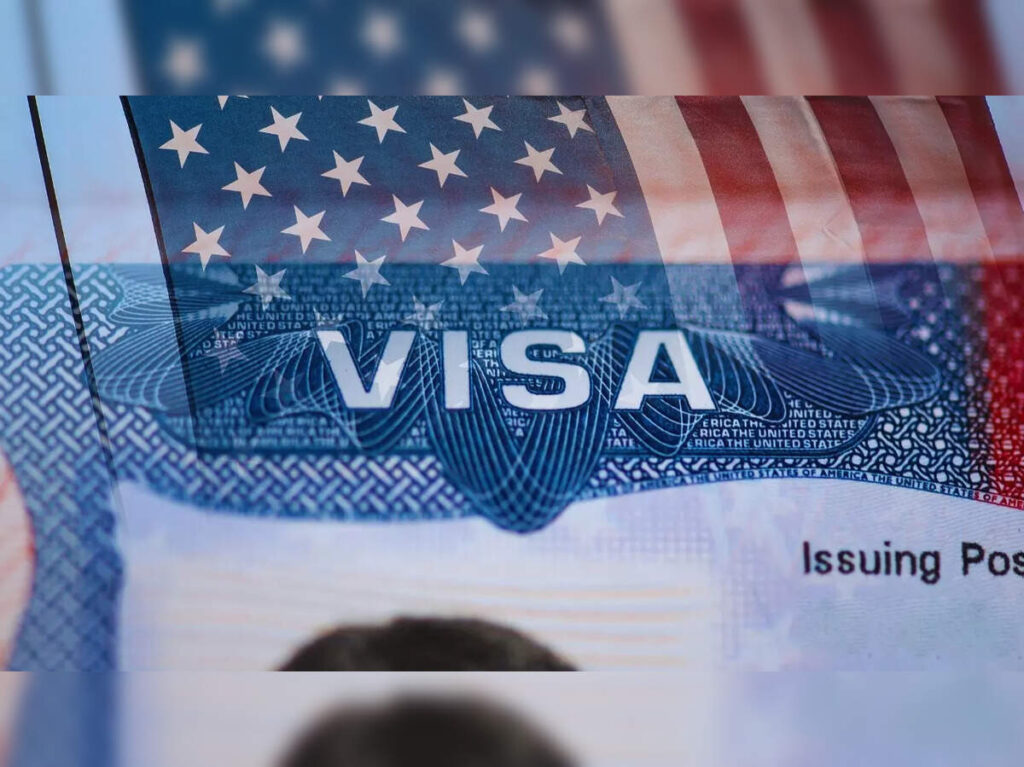
In recent months, Indian nationals have increasingly faced temporary refusals of U.S. visas, a situation that has raised alarm among applicants and immigration experts alike. This trend is largely attributed to heightened scrutiny from U.S. immigration authorities, particularly regarding social media vetting and the examination of prior arrests, which have caused significant delays in the processing of visa applications. The impact is especially pronounced in India, a country that constitutes over 70% of the total H-1B visas issued in fiscal year 2024, according to data from the U.S. Citizenship and Immigration Services.
Under Section 221(g) of the U.S. Immigration and Nationality Act, visa applications can be temporarily refused while consular officers verify background information. While such notifications are not new for H-1B or student visa applications, immigration experts indicate that the scope of 221(g) refusals has expanded. Joel Yanovich, an attorney at the Murthy Law Firm, noted, “We probably are seeing a higher rate of 221(g) notices. While it’s difficult to quantify, the anecdotal evidence suggests that more people are running into further delays, even after getting in for an appointment.”
Gnanamookan Senthurjothi, founder of The Visa Code, explained that there are now two categories of 221(g) denials that have emerged under the current administration, which were virtually unheard of prior to this year. “Since May 2025, we have seen applicants with prior arrest records, which are over a decade old, getting 221(g) notifications,” he stated. This is alarming for many, as some applicants who have previously traveled to the U.S. without issue are now facing visa revocations and additional processing delays.
Another troubling trend involves applicants receiving emails stating that their visas have been “prudentially revoked,” often without any clarification from the Department of State. Xiao Wang, founder of Boundless Immigration, noted that there is also an increased demand for biometric requests in H-1B visa processing—an earlier situation that did not exist to the same extent. “All applications are now taking longer for officers to evaluate,” Wang added, indicating that the need for detailed social media vetting has compounded the issue, resulting in slower processing times across the board.
The delays extend beyond initial applications. Many previously scheduled appointments were met with mass cancellations, particularly evident in early December of the previous year. Individuals who had already departed the U.S. found their appointments rescheduled for March and April, with some dates now pushed as far back as November. “These delays are affecting hundreds of Indians stuck in India,” Wang pointed out.
What’s Next for Indian Visa Seekers?
Senthurjothi reported that after months of silence, individuals who received 221(g) notifications are being asked to submit further documentation, including toxicology reports and police records. While this additional scrutiny indicates progress in processing these applications, it remains a significant hurdle for many applicants waiting to return to the United States.
The increasing complexity of the visa application process signals broader implications for the U.S.-India relationship. As the largest revenue-generating market for India’s $280 billion outsourcing industry, the ability of Indian workers to secure visas is critical not just for individuals and families but for businesses relying on this talent. The continued delays in visa processing could hinder the competitive edge of U.S. companies that depend on skilled workers from India, potentially reshaping the landscape of the tech and service industries.
This latest development in U.S. immigration policy calls for a reevaluation of how border controls are affecting skilled labor and international collaboration. As Indian nationals navigate these hurdles, the long-term effects could ripple through both economies, raising questions about the future of the visa process under the current administration.
You Won't Believe How LGBTQ+ Activists Are Leading the Charge Against Climate Catastrophe!
Is Smith's Shocking Re-Election Bid About to Upend Nebraska Politics? Discover the Surprising Contenders!
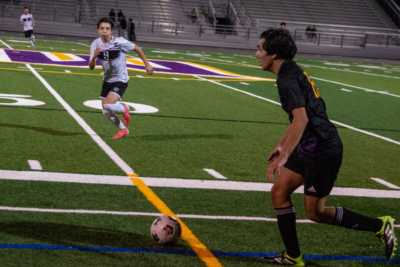
You Won’t Believe How Varsity Boys Soccer Crumbled Against Fremont High – Shocking 4-2 Loss!

Shocking $500M Fundings Unveiled! You Won't Believe Which Startups Are Making Waves This Week!
You Won't Believe How The Keyes Company Survived 100 Years in Florida's Cutthroat Real Estate Market!

ASUS Shocks Fans: No New Smartphones in 2023? Here’s What That Means for You!
You might also like: