Iceland’s Ice Is Melting Faster Than You Think—Discover the Shocking Truth Behind Climate Change!

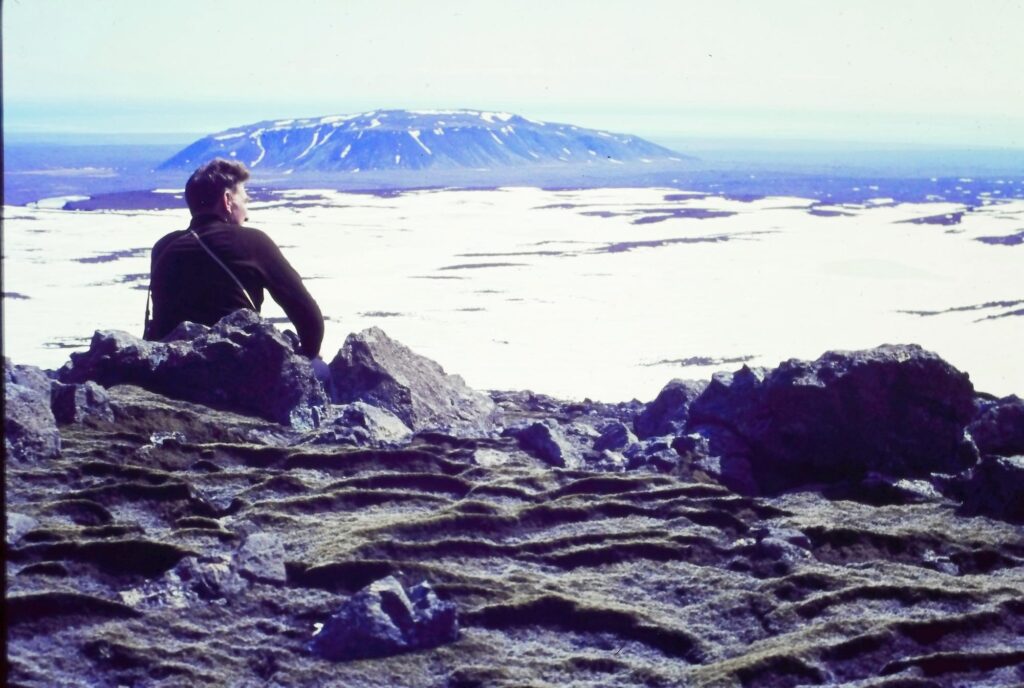
Iceland is facing a sobering reality: in just 200 years, the picturesque nation could be devoid of its glaciers. This unsettling prospect is poignantly captured in the documentary film “Time and Water,” which not only highlights the environmental grief tied to the loss of these natural wonders but also intertwines it with personal stories of family and heritage. The film serves as a powerful reminder of how climate change is reshaping landscapes and lives alike.
Narrated by Andri Snær Magnason, an Icelandic writer and environmental activist, “Time and Water” emphasizes his deep connection to the land, rooted in his ancestry. With his grandparents' stories at the forefront, Magnason weaves a narrative that is both personal and universal. He shares home videos spanning several decades, allowing viewers to witness the glaciers’ majesty in 2026, a stark contrast to the impending reality of their disappearance.
Directed by Sara Dosa, the film elegantly merges the themes of nature and family. The visual storytelling unfolds alongside Magnason’s evocative narration, capturing the emotional turmoil surrounding Iceland’s melting glaciers. As he reflects on the impacts of climate change, the film adopts a mournful tone that resonates with viewers, echoing the sentiments of a nation witnessing its identity dissolve before its eyes. The music, a blend of an original score by American composer Dan Deacon and various Icelandic songs, enhances the emotional depth, juxtaposing scenes of Iceland's breathtaking natural beauty with the stark silence of its vanishing glaciers.
Central to the film is the concept of ancestry and its significance. Magnason’s grandparents, Árni and Hulda, were connected through the largest glacier in Iceland, Vatnajökull. As the film progresses, poignant montages of Magnason’s family play out, showcasing his children growing up while memories of his grandparents fade. This visual narrative evokes a sense of nostalgia, underscoring the parallels between human life and the natural world, both of which are subject to time’s relentless passage.
In 2014, Iceland's smallest glacier, Okjökull, was pronounced deceased, marking a profound moment of collective mourning for the country. This event mirrors Magnason’s deep personal losses, including the passing of several grandparents. Through Dosa’s direction, the intertwining of nature and grief becomes a recurring motif, revealing how water can encapsulate history, much like the footage of Magnason’s family captures the effects of time.
As the film progresses, Magnason’s sorrow becomes palpable as he recounts the significant loss of terrain due to climate change. The documentary contrasts vibrant wildlife and flourishing landscapes with the current state of silence where once-lively birds thrived along coastal mountains. The striking visual contrasts serve as a stark reminder of the changes that have occurred over the years, emphasizing the urgency of the climate crisis.
“Time and Water” is not merely a documentary; it is a commentary that highlights the importance of family while simultaneously drawing attention to the looming environmental crisis. The loss of glaciers is not just a matter of nature; it is a reflection of cultural identity and heritage. As audiences watch the film, they are compelled to reflect on the broader implications of climate change, not just for Iceland, but for the world.
Events like the 2026 True/False Film Fest provide platforms for crucial narratives like Magnason's, encouraging viewers to grapple with the reality of climate change and its personal impacts. The film stands as both a love letter to Iceland’s natural beauty and a clarion call for action in the face of impending loss.
Big Tech & Big Ag's Shocking Takeover: Are Farmers Losing Their Livelihoods Forever?

You Won't Believe How Much Money This Local Community Raised for Kids in Need—Find Out How!

Zhejiang's Tech Boom: Is This the Secret Fueling China's Stock Market Surge? Uncover the Shocking Truth!
Terreno Realty's Shocking Move: Is This the Key to Coastal Dominance or a Dangerous Gamble?
Severe Flooding Hits Harney County: What the Governor Declared Will Shock You!

Shocking Study Reveals 45% of Kashmir Students Struggle with Mental Health—Is Social Media to Blame?
You might also like: