Honduran Candidate Drops BOMBSHELL: Did Trump Really Manipulate Their Election? Shocking Details Inside!

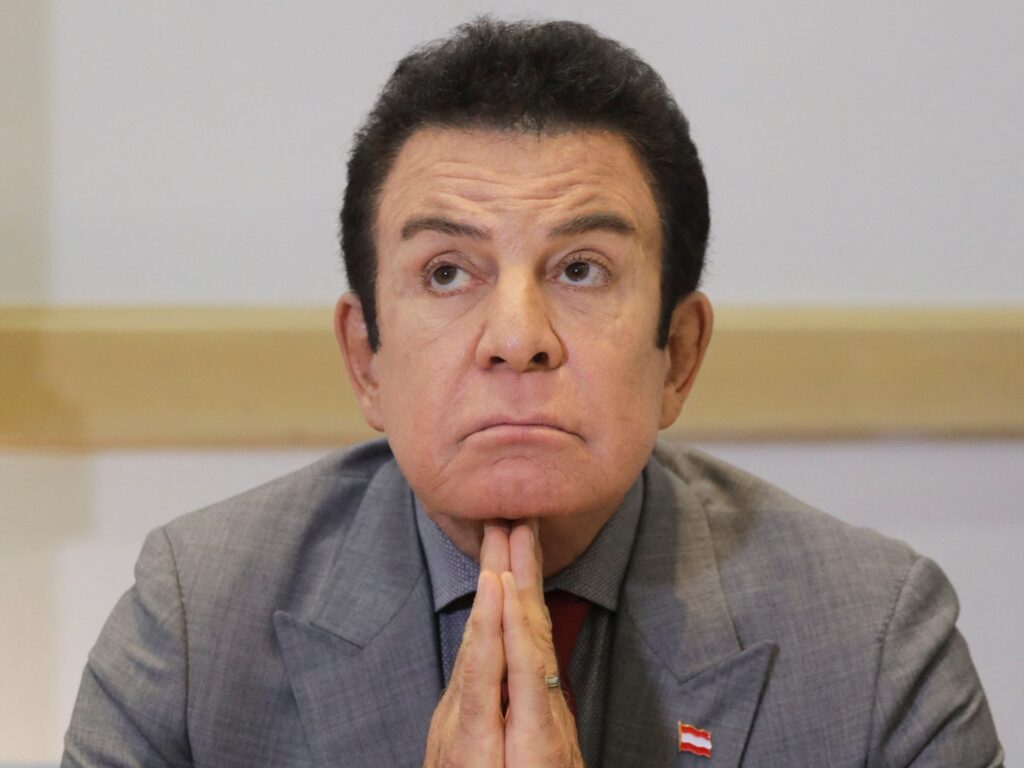
In a contentious political landscape, Salvador Nasralla, the centrist candidate in the Honduran presidential election, has leveled serious accusations against U.S. President Donald Trump, alleging interference that could have significant implications for his campaign. The 72-year-old Nasralla claims that Trump's endorsement of conservative candidate Nasry Asfura, aged 67, and his labeling of Nasralla as a “borderline communist” may have undermined his chances of winning the election.
In an exclusive interview with Reuters, Nasralla stated, “It hurt me because I was winning by a much larger margin.” His comments reflect the profound impact that foreign influence can have on local elections, particularly in Central America, where U.S. political dynamics often spill over into national affairs.
Trump's remarks come amid reports of irregularities in the electoral process. The election, held on a peaceful Sunday, saw preliminary results indicating a tight race, with Nasralla and Asfura appearing in a “technical tie.” Trump took to Truth Social to express his concerns, stating, “Looks like Honduras is trying to change the results of their Presidential Election. If they do, there will be hell to pay!”
This rhetoric is not new for Trump, who has previously threatened to cut off aid to Honduras should Asfura not emerge victorious. The stakes are high, as U.S. foreign policy often aligns with certain candidates in Central America, which can dramatically shift the political landscape.
In the lead-up to the election, Trump also made a controversial decision by announcing a pardon for former Honduran President Juan Orlando Hernandez, who faced drug trafficking charges in the U.S. This adds another layer of complexity to the already polarized atmosphere surrounding the election.
As of Thursday evening, election authorities reported that they had counted 87 percent of the ballots, yet 17 percent were flagged for “inconsistencies” and remain under review. Nasralla’s campaign is closely scrutinizing these irregularities, as they could sway the election's outcome. According to Reuters, polls indicated Asfura holding a slim lead at 40.27 percent compared to Nasralla’s 39.38 percent, suggesting that the final results remain too close to call.
Nasralla has taken to social media, alleging further irregularities during the primary voting and potential vote tampering, although these claims have yet to be independently verified. The electoral landscape in Honduras is under intense scrutiny as the nation grapples with a legacy of corruption and external influence, raising questions about the integrity of its democratic processes.
As the country waits for final results, which must be submitted by December 30, the implications of foreign meddling—exemplified by Trump’s actions—are glaring. The outcome of this election may not only shape Honduras’s future but could also signal broader trends about U.S. involvement in Central American politics.
The Shocking Truth: 90% of Us are Addicted to Our Phones—Here’s How to Break Free Before It’s Too Late!
You Won't Believe What Happens When Access to This Page Is Denied—Shocking Truth Revealed!
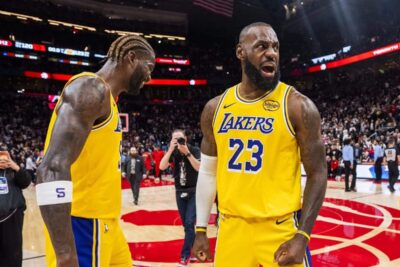
LeBron's Unbelievable 1,297-Game Streak SHATTERED! What Happened in the Final Moments?

Ex-Anker CMO Shiyuan Wang's Shocking AI Venture Raises Millions—What’s Next? Don’t Miss Out!

This Hidden Vaccine Could Be Your Best Bet to Slash Dementia Risk by 30%—Find Out Why!
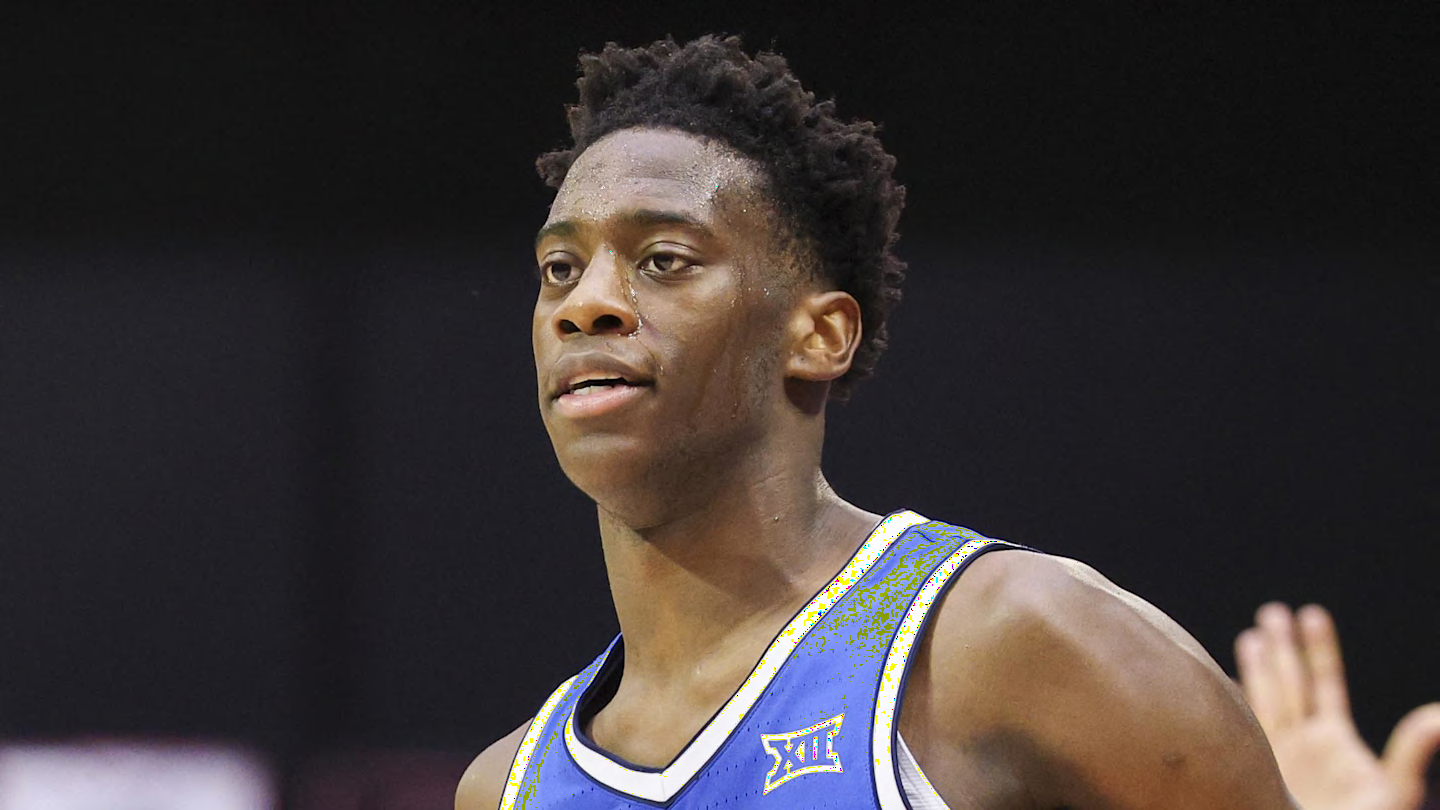
Why This Shocking Stat About the Top 3 NBA Draft Prospects Will Change Everything in 2026!
You might also like: