
Honduran Candidate Claims Trump’s Election Interference Could Flip the Vote—What’s at Stake?

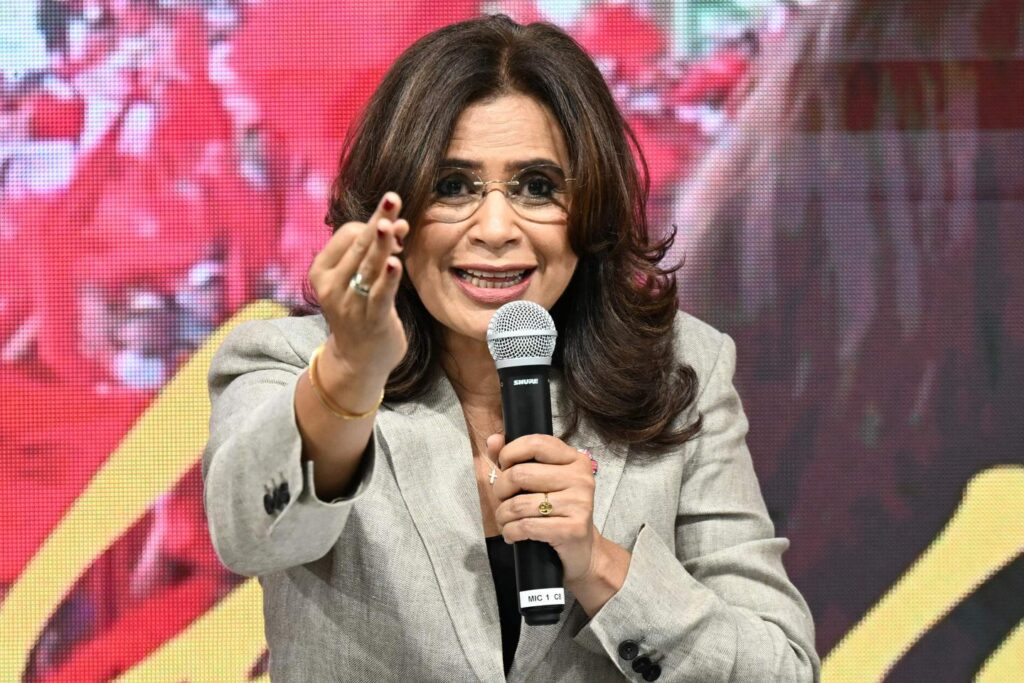
As Honduras gears up for its presidential election, the stakes have been raised by unexpected endorsements and threats from U.S. President Donald Trump. Rixi Moncada, the leftist candidate representing the Libertad y Refundación (LIBRE) party and the current administration under President Xiomara Castro, has voiced strong criticisms of Trump's recent actions, labeling them as "interventionist." This statement came during a press conference in Tegucigalpa on November 29, just one day before the election.
Moncada's concerns were specifically directed at Trump's endorsement of her right-wing rival, Nasry Asfura, and his surprising announcement to pardon former president Juan Orlando Hernández. "There is no doubt that these are two concrete actions, three days before the elections, that are totally interventionist," Moncada asserted.
Trump's endorsement of Asfura, one of the leading candidates, underscores a significant geopolitical maneuver, as he stated that the two could potentially collaborate to combat what he termed "narcocommunists" in the region. This language aligns closely with ongoing U.S. strategies in Central America, where drug trafficking and political corruption have long posed challenges.
Threats to U.S. Support
In a further escalation, Trump issued a threat to cut U.S. financial support for Honduras should his favored candidate not win. This warning comes alongside the announcement regarding Hernández, who is currently serving a 45-year prison sentence in the United States after being convicted of drug trafficking. U.S. prosecutors have accused Hernández of facilitating the importation of approximately 400 tons of cocaine into the U.S. during his presidency from 2014 to 2022. His extradition occurred just weeks after leaving office, highlighting the ongoing U.S. scrutiny of Honduran politics.
Trump’s decision to consider pardoning Hernández has drawn criticism not only from within the United States but also from international leaders, including Colombia's president. This move is controversial, especially given the context of a recent U.S. anti-drug trafficking operation in Latin America that has resulted in over 80 deaths in what critics have labeled as extrajudicial killings.
On social media, Trump claimed that Hernandez "has been, according to many people that I greatly respect, treated very harshly and unfairly," although he did not provide specific details or evidence to support this assertion.
The ramifications of these developments extend beyond Honduras, as they signal a potential realignment in U.S. foreign policy towards Central America. Moncada's accusations highlight a growing concern regarding American influence in the region, traditionally viewed as a sphere of U.S. interest. The outcome of the election, therefore, carries implications not only for Honduran governance but also for the broader geopolitical landscape in Central America.
As the election approaches, the atmosphere in Honduras is charged with uncertainty. Voter sentiment may be significantly affected by these interventions, adding layers of complexity to an already fraught election cycle.
Unlock the Secret: How Just 5 Minutes of This ‘Exercise Snack’ Can Add YEARS to Your Life After 65!

S&P 500 Set to Skyrocket to 8000 Next Year—Are You Prepared to Miss Out?

Is This the Year the Texas Longhorns Shock Everyone and Steal a Playoff Spot? Find Out Why!
Shocking Climate Shifts: 2025's Environmental Crisis Could Impact YOU More Than You Think!
White House's Shocking Move: How a New Website Aims to Expose MEDIA Bias – You Won't Believe the Details!
You Won’t Believe What This Celebrity Is Hiding—The Shocking Truth Behind the Legal Drama!
You might also like: