
Healthcare Leaders Warn: White House's Fraud Crackdown Could Cost YOU Millions!

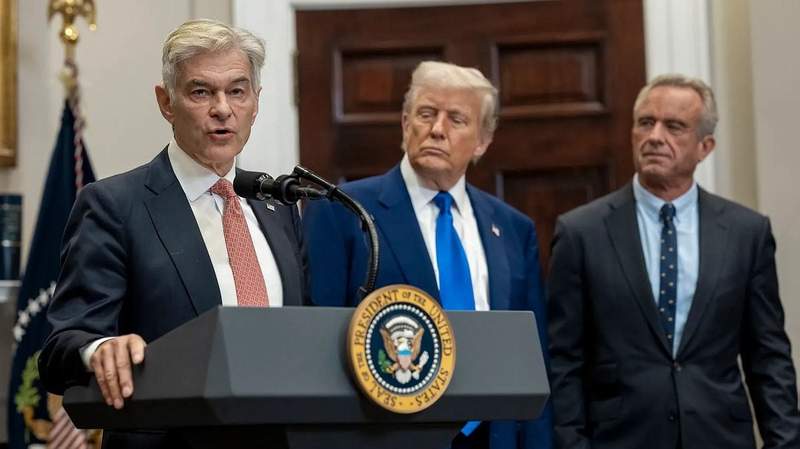
In a significant move aimed at combating fraud within the Medicare system, the Trump administration announced a nationwide moratorium on Medicare enrollment for specific medical equipment. This moratorium, effective for six months beginning February 27, 2025, targets enrollment related to oxygen equipment, mobility devices, and diabetic supplies. The initiative is spearheaded by Vice President JD Vance and Dr. Mehmet Oz, the administrator of the Centers for Medicare and Medicaid Services (CMS), who are emphasizing the need for heightened vigilance in protecting taxpayer dollars.
This initiative follows the establishment of the White House’s Fraud Task Force on March 16, 2025. Vance and Oz have cited the staggering financial losses incurred due to Medicare and Medicaid fraud, claiming that billions of dollars are at risk. "This unfortunate necessity is going to allow us to get on top of what we believe is billions of dollars of durable medical equipment frauds," Oz stated, underscoring the urgency of the situation. He noted that the administration has already halted approximately $1.5 billion in fraudulent billing but believes more time is needed to eliminate these fraudulent practices.
However, the moratorium has raised concerns among legitimate healthcare providers. Ryan Bullock, the chief strategy officer at Aeroflow Health, expressed his frustration, stating, "We’re being syphoned and caught up in the bad actor chase." He emphasized that businesses like his, which strive to provide quality service to Medicare beneficiaries, are being adversely affected by broad strokes aimed at root out fraud. Bullock explained that many patients are already in precarious situations, sometimes going without necessary medical devices due to access issues. He worries this moratorium will disrupt supply chains for these critical resources.
Aeroflow Health has recently had to suspend a planned expansion in Florida, a decision directly influenced by the ongoing government crackdowns. Bullock lamented, "We’re not able to service beneficiaries out of that location. Yet, we're providing a great service to the Medicare population as well as Medicaid and commercial population." This illustrates the delicate balance that must be maintained between protecting taxpayers and ensuring that legitimate healthcare needs are met.
In light of these developments, the administration has called on industry leaders to provide feedback on how to better navigate fraud within Medicare and Medicaid. Bullock stated that a proactive approach is necessary, emphasizing the importance of preventing fraud before it occurs. He advocated for empowering beneficiaries to report suspicious activity directly to the officials managing these programs. "There's a lot of pay and chase in CMS currently," Bullock noted. He suggested implementing tracking numbers and delivery confirmation systems prior to payment submissions, a move that could protect honest suppliers and mitigate financial losses associated with fraud.
Vice President Vance reinforced the administration's commitment to tackling fraud, stressing the need for improved communication among executive agencies in this endeavor. He warned that without effective measures, crucial social safety net programs could face dire consequences. "Our social safety net will disappear unless we take fraud more seriously," he cautioned. Vance's comments reflect a growing concern that the financial integrity of Medicare and Medicaid is at stake, and that immediate action is necessary to preserve these essential programs for future generations.
As the Trump administration intensifies its efforts against healthcare fraud, the implications for both beneficiaries and legitimate providers remain significant. While the crackdown aims to protect taxpayer dollars and ensure the integrity of Medicare and Medicaid, it is vital that the administration also considers the needs of legitimate healthcare organizations and the vulnerable populations they serve. The balance between preventing fraud and ensuring access to necessary medical supplies will be critical in shaping the future of healthcare in America.
Is This the Last Chance? Shocking Climate Changes You MUST Know Before April 2026!
Brazil's Beach Soccer Team Shocks Fans Again! Can They Clinch the El Salvador Cup Title in a Stunning Showdown?
Is the Pro-Vaccine Majority Being Silenced? Shocking Truths You Need to Know NOW!
Shocking Move! Governor's Surprise Veto Leaves 1 Million Families Without Crucial Tax Cuts!

You Won't Believe What Ashley Iaconetti Just Revealed About Her SHOCKING 'Real Housewives' Experience!

Is Bitcoin's On-Chain Scarcity Hiding a $200K Secret? Discover the Shocking Truth!
You might also like: