Guinea's Coup Leader Becomes President-Elect: What This Shocking Vote Means for You!

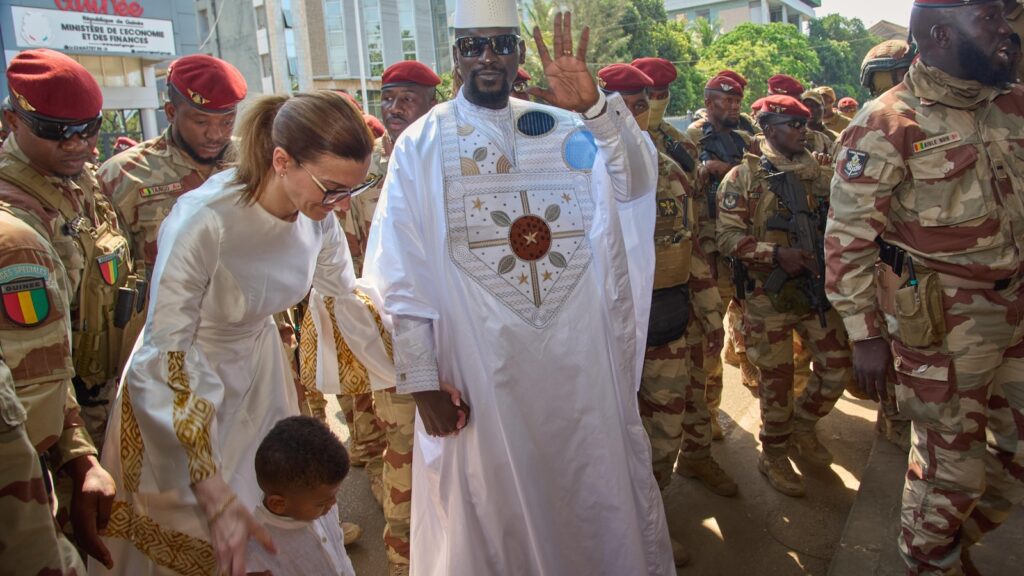
CONAKRY, Guinea -- In a significant development for Guinea's political landscape, the Supreme Court upheld the election victory of Gen. Mamadi Doumbouya on Sunday. This ruling confirms Doumbouya's transition from junta leader to democratically elected president, following a coup that transpired in 2021. His election marks the first of its kind since the coup, with Doumbouya receiving a staggering 86.7% of the votes, according to the General Directorate of Elections.
In a televised address, Doumbouya stated, “Today, there are neither winners nor losers. There is only one Guinea, united and indivisible.” He urged citizens to come together to “build a new Guinea, a Guinea of peace, justice, shared prosperity, and fully assumed political and economic sovereignty.” His remarks reflect a desire for national unity after years of political turmoil.
The election held on December 28 was conducted under a new constitution that repealed a ban preventing military leaders from running for office. It also extended the presidential term from five years to seven, a move that critics argue consolidates power within the military. Yero Baldé, the runner-up who garnered 6.59% of the vote, had previously filed a petition alleging electoral manipulation but withdrew it just a day before the Supreme Court's decision.
Since staging the coup, Doumbouya has faced criticism for suppressing political opposition and dissent. Political analysts argue that the diminished opposition landscape has positioned Doumbouya as the sole figure deemed capable of maintaining state continuity. N’Faly Guilavogui, a Guinean political analyst, remarked, “Guineans are waiting to see what efforts he will make to ensure political stability and reconciliation.”
Despite Guinea’s wealth in mineral resources, including being the world's largest exporter of bauxite, over half of its 15 million citizens are grappling with significant poverty and food insecurity, as reported by the World Food Program. The junta's major initiative has been the Simandou mega-mining project, which is the world’s largest iron ore deposit. This $15 billion project, 75% owned by Chinese interests, began production in December after years of delays.
The implications of Doumbouya's presidency are yet to unfold fully. As he moves forward, the international community will be watching closely to see if his administration can effectively address the critical issues of poverty and governance while fostering political stability in a nation marked by recent upheaval.
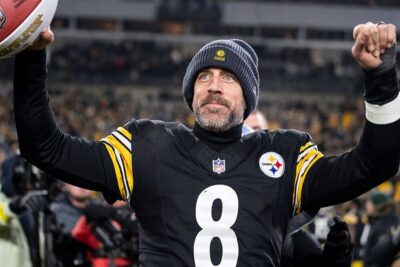
Steelers Stun Ravens with Last-Second Missed Field Goal—AFC North Title on the Line! What Happened?
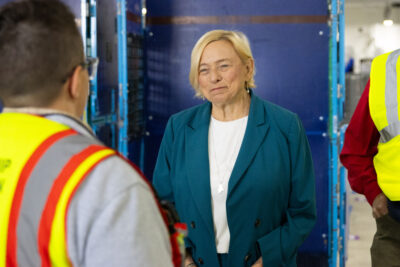
Janet Mills Faces Backlash: Is Her Senate Bid a Risky Gamble for Maine's Future?
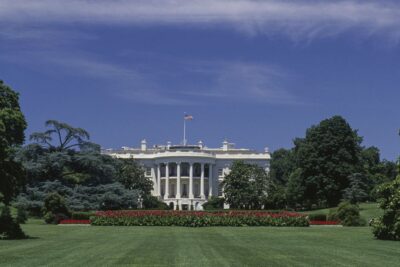
You Won't Believe What These 5 Presidents Did—250 Years of Scandals Uncovered!
Is Your Privacy at Risk? Discover 5 Shocking Truths That Could Change Everything Now!

You Won't Believe How Antetokounmpo Dominated the Kings—Is This His Most Shocking Game Yet?

NEON Health Provider STUNS Employees by Withholding $1,500 Paychecks—What’s Their Shocking Reason?
You might also like: