Greece's Ancient Wonders in Peril: Shocking Climate Findings You Won't Believe!

As the effects of climate change become increasingly apparent, Greece is taking decisive steps to protect its invaluable archaeological treasures from the escalating threats posed by wildfires, heatwaves, and rising water levels. With hundreds of thousands of visitors flocking to these sites each year, the country recognizes the critical need for enhanced safety measures to ensure both the preservation of its heritage and the safety of its tourists.
Greek officials report that the country's archaeological sites, many located in rural areas, are not only crucial for cultural heritage but are also significant contributors to the nation's economy, generating millions in tourism revenue. However, the increasing frequency of extreme weather events has prompted a comprehensive review of emergency preparedness protocols, particularly regarding the evacuation of large crowds in the event of a natural disaster.
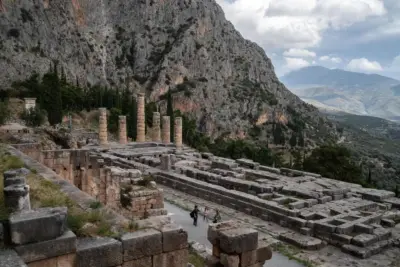
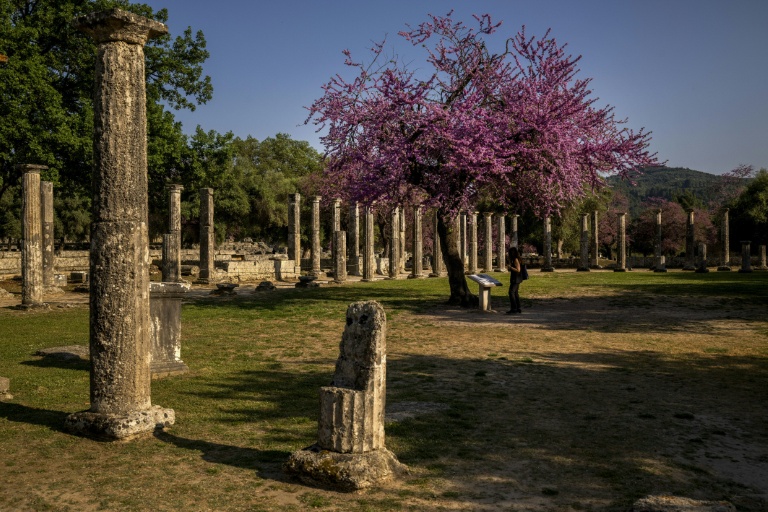
In a groundbreaking initiative, the Greek culture ministry has identified 19 archaeological sites that require immediate attention for protection against natural threats. This initiative follows a three-year study conducted by leading scientific institutions, marking the first nationwide evaluation of its kind. The sites under scrutiny include renowned locations such as Olympia, an area frequently threatened by wildfires; the ancient theatre of Delphi, at risk of rockslides; and the sanctuary of Dion, which faces flooding.
Olympia's mayor, Aristides Panagiotopoulos, has emphasized the importance of maintaining vigilance to protect this historic site, which houses the ancient stadium, a sprawling sanctuary, and two museums. "Our concern remains acute, as the area of Ancient Olympia is extensive, with a large expanse of greenery and dense, often unregulated, spontaneous vegetation," he stated. Despite previous interventions, Panagiotopoulos acknowledged that they are insufficient to cover all needs.
The historical impact of wildfires in the region is stark. In 2007, devastating wildfires decimated the landscape surrounding Olympia, resulting in over 40 fatalities in the broader area of Elis. More recently, significant fires erupted in 2021, 2022, and 2024, raising alarms about the ongoing threat. Panagiotis Lattas, the head forester for Elis, noted that unusually heavy rainfall this year—40% above the annual average—has led to an abundance of vegetation that must be cleared before the wildfire season arrives.
In response to the growing challenges posed by climate change, Greece has already implemented measures such as reducing visiting hours at the Acropolis in Athens during peak heat periods. However, more extensive and long-term strategies are essential. Scientists from the National University of Athens and the National Research Foundation are currently analyzing climate and geological conditions at the 19 identified sites. This research, covering from 2022 to 2025, aims to assess past damage and predict future vulnerabilities to extreme weather events such as fires, floods, heatwaves, and rising sea levels.
The study's ambitious scope encompasses not just Olympia, Delphi, and Dion but also other significant sites including Mycenae, Messene, Mystras, the temple of Apollo Epicurius in the Peloponnese, and notable Minoan palaces in Crete. The findings will help shape a protective strategy that aims to cover a network of 40 archaeological sites by 2030, as outlined by Culture Minister Lina Mendoni.
Protecting Greece's Heritage
Mendoni highlighted the unique challenges that Greece faces due to its "high density and wide geographical distribution" of outdoor monuments, which are increasingly exposed to temperature fluctuations, heavy rainfall, and wind. "Climate change does not necessarily create entirely new risks from scratch. It usually intensifies existing ones, increasing the frequency and severity of such phenomena," she explained at a recent conference in Athens.
As part of the protective measures, the culture ministry plans to install new fire sensors at 21 sites and has developed fire protection plans for over 60 archaeological locations. According to official statistics, Ancient Olympia alone attracted over 300,000 visitors in 2024, while the Minoan palace of Knossos welcomed over a million and Delphi drew more than 290,000 visitors. These numbers underscore the urgent need for effective safety and preservation strategies.
The mayor of Delphi, Panagiotis Tagalis, noted that recent rockfalls on the Amfissa-Livadeia road have created significant access issues for the archaeological site and museum. In response, the municipality has cleared a backup emergency route for small vehicles, emphasizing the need for continual adaptation and proactive measures in the face of evolving environmental risks.
As Greece moves forward with its strategic plans, the shift in mindset regarding fire safety in protected areas is promising. “Twenty years ago, it was absolutely forbidden to create firebreaks...in protected areas,” Mendoni remarked, but thankfully, this perspective has changed. The ongoing efforts to safeguard Greece's archaeological heritage highlight a critical intersection of culture, tourism, and environmental stewardship, all of which must be carefully balanced in an era of increasing climatic uncertainty.
Is Greece’s 2,500-Year-Old Heritage at Risk? Shocking Climate-Change Report Reveals Alarming Truth!

You Won't Believe What Happens When Chelsea Faces Man City Live—Catch Every Shocking Moment!

Doc Rivers Drops SHOCKING Truth About Giannis' Future – Is a Massive Trade Imminent? You NEED to Know!

Is U-Haul's Bold $10 Million Gamble in Rossford the Secret to Dominating Real Estate? Find Out!

CDC’s Secret Report Exposes Shocking COVID Vaccine Effects—Are You Among the 75% Affected? Find Out Now!

Will This S&P 500 ETF Strategy Make You a Millionaire by 2026? Discover the Shocking Truth!
You might also like: