
Governor's Shocking K-12 Education Reforms: Are Your Kids at Risk? Find Out NOW!

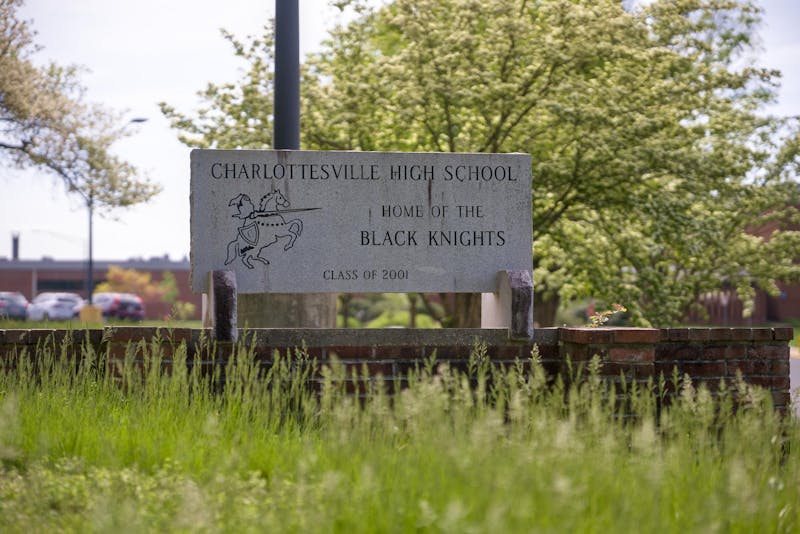
In a significant move to bolster K-12 education in Virginia, Governor Abigail Spanberger (D) has signed 21 bills into law as of April 7, 2026. These legislative measures are designed to address various aspects of the state's education system, with a particular focus on improving financial support for “low-performing” schools, revising the Standards of Learning (SOL), and enhancing parental involvement in their children's education.
On January 17, Spanberger issued Executive Order Four, which outlined key priorities aimed at elevating educational standards across the Commonwealth. Among these priorities were initiatives to boost literacy and math test scores, alongside essential reforms to the SOLs. This executive order set the stage for the recent legislative session, where lawmakers took decisive action to fulfill these objectives. James Wyckoff, a professor emeritus of Education and Policy, noted that the governor's priorities were either directly addressed or suggested in the newly passed legislation.
Several bills signed into law focus on increasing transparency for parents regarding their children's education in public schools. Notably, Senate Bill 817 mandates that schools notify parents of public middle and high school students about upcoming course registration deadlines. Similarly, House Bill 206 requires parents of students in College Partnership Laboratory Schools to be informed about the collaborative partnership with higher education institutions and provided with contact information for school administrators. Both bills will take effect on July 1.
“Parents should be confident that their children are getting an education that allows them to reach their full potential,”
Spanberger stated in a press release. She emphasized her personal connection to public schools, saying,
“The strength of public schools is personal for me — both as someone who grew up in Virginia public schools and as a parent of three school-aged daughters.”
Another significant legislative change involves the SOLs. Senate Bill 200, which mirrors House Bill 299, abolishes the through-year growth assessment system that tested students in grades 3-8 in reading and mathematics three times a year. Instead, the new law mandates a “one-time end-of-year assessment,” which is expected to streamline the testing process.
In an effort to support low-performing schools, House Bill 924 was signed by Spanberger on April 6. This legislation, championed by Delegate Sam Rasoul (D-38), aims to implement what he calls an “equitable approach” to K-12 education. The bill directs the Superintendent of Public Instruction to develop a plan that allocates resources to assist teachers and students in struggling schools, based on their Standards of Accreditation, which considers various factors, including SOL test performance.
Rasoul explained that HB924 was a response to recommendations from a December 2025 report by the Joint Legislative Audit and Review Commission (JLARC), an oversight agency within the Virginia General Assembly. The report, titled “Virginia’s K-12 School Accountability System,” outlined current accountability metrics in K-12 education and offered recommendations for improved communication and effective state programming for low-performing schools.
“[HB924] was drafted as a response from JLARC’s study,” Rasoul said. “We worked closely with the administration after the bill was introduced to ensure that the language was aligned with where the governor, superintendent, and the secretary of education wanted it to be.”
The push for these legislative changes is, in part, a reaction to disappointing scores on the National Assessment of Educational Progress (NAEP) following the COVID-19 pandemic. According to Public Policy Professor Daniel Player, Virginia's scores saw a notable drop, particularly in mathematics for fourth-graders, where the state scored 247 in 2019—seven points above the national average at that time. However, in 2022 and 2024, Virginia's scores fell to 236 and 238, respectively, bringing the state slightly above the national average but reflecting a troubling decline. Player pointed out,
“Virginia took a pretty big hit after the pandemic.”
Previously a leader in educational performance, Virginia is now viewed as falling to the middle of the pack nationally.
Experts like Wyckoff believe that the recent legislative efforts indicate a stronger commitment from Democrats in the state legislature, who now control both the House of Delegates and the state Senate, to financially support low-income schools. He remarked,
“What you've seen in the Spanberger executive order and education legislation is a reaction to things that occurred in the Youngkin administration, and it's not intending to reverse that by any means. Rather, it's trying to refine it in a way that addresses some of the concerns that Democrats had when that legislation was passed.”
With the passage of HB924, the support for low-performing schools will depend on accountability standards, with SOLs serving as one of the metrics for assessment. Gerard Robinson, a professor of practice in public policy and law, highlighted the historical context of standardized testing in American education, tracing its roots back to the No Child Left Behind Act of 2001. He noted that such testing has become a pivotal mechanism for lawmakers to address the persistent achievement gap among different student groups.
“Testing became one mechanism by which we identified what students were learning and their proficiency level,” Robinson explained. He added that the overarching goal has been to close the achievement gap through informed decision-making at the legislative level.
In summary, the recent legislative initiatives in Virginia signal a determined effort to enhance educational outcomes across the state, especially for those schools that have struggled in the aftermath of the pandemic. As these laws take effect on July 1, Governor Spanberger and her allies hope they will significantly improve the educational landscape, providing equal opportunities for all students and aiding those in the most challenging circumstances. Rasoul expressed optimism about the potential impact of the legislation, stating,
“We're hoping that … [HB924] is how we are improving the outcomes of schools and school divisions that are struggling the most.”
You Won't Believe What Joe Brady's NFL Draft Strategy Reveals About the Bills' Shocking Future!
Trump's Shocking Pipeline Decision: What FEMA's Secret Move Means for You!

S&P 500 Soars as US and Iran Secretly Negotiate—What Could This Mean for Your Wallet?
Is Your Browser Putting Your Data at Risk? Discover the Shocking Truth Before It's Too Late!

Is Apple’s iPhone Air Killing the Ultra-Thin Smartphone Market? Shocking Sales Decline Exposed!

Argentinian Startup Alkemio Just Raised $1 Million—Could This Transform Rare Earth Refining Forever?
You might also like: