
Governor Stein’s $1.4 Billion Budget Request: What Shocking Cuts Could Be Coming Next?

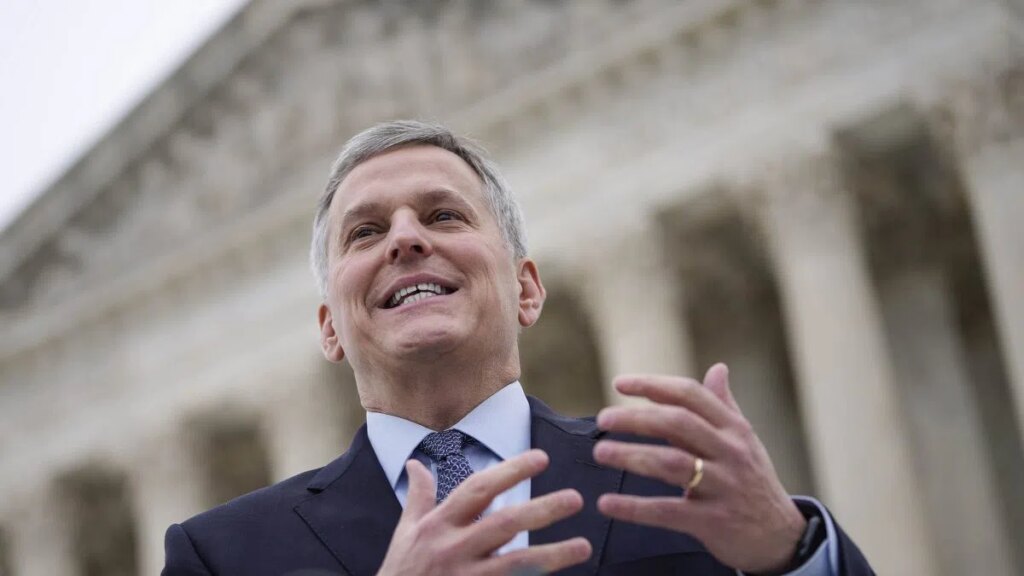
RALEIGH, N.C. (NCN News) — As budget negotiations stall in North Carolina's General Assembly, Democratic Governor Josh Stein has urged the Republican majority to pass a $1.4 billion "critical needs budget." This comes as the state finds itself over nine months late in finalizing its spending plan, making it the only state in the country still without a budget for 2025.
“North Carolina has gone nearly two and a half years without passing a new state budget,” Stein stated. “While lawmakers work toward a full, fiscally responsible budget this spring, there are urgent needs facing our state right now, like fully funding Medicaid and giving law enforcement, teachers, and other public servants a long-deserved pay raise.” He emphasized that this budget aims to address critical public safety, education, and healthcare services that cannot wait.
During a press conference on March 9, Governor Stein was joined by representatives from law enforcement, health and human services, and education sectors to highlight the necessity of additional funding amidst the ongoing budget impasse. Specifically, the Governor's proposal includes a recommendation of $319 million to fully fund Medicaid, ensuring that the health of three million North Carolinians who rely on this program is safeguarded.
Dev Sangvai, Secretary of the North Carolina Department of Health and Human Services, remarked, “We are counting on our partners at the General Assembly to fully fund Medicaid so our friends, neighbors, and communities can continue to receive the essential care they need to be and stay healthy.” This funding is crucial for families and communities that depend on Medicaid for their healthcare access.
The proposed budget also prioritizes pay raises for various state employees, including correctional officers, law enforcement officers, youth counselors, probation and parole officers, nurses, and behavioral health technicians. Colonel Freddy Johnson, Commander of the State Highway Patrol, noted the importance of competitive salaries to both retain experienced professionals and attract new talent, stating, “Our troopers respond to crashes, criminal activity, and emergencies across all 100 counties.”
Education is another critical area Stein’s budget aims to address. The proposal includes raising starting salaries for teachers, restoring pay for master’s degree holders, and providing increased compensation for senior teachers and other essential school personnel. John Lassiter, President of the North Carolina Principals and Assistant Principals’ Association, stressed the need for competitive salaries, saying, “If we truly want a highly qualified teacher in every classroom, then our students have to see teaching as a career worth pursuing—one with dignity, stability, and a respectable salary.”
The Governor’s plan also proposes pay increases for state employees and a cost-of-living adjustment for retired state employees. However, the proposal has already met with skepticism from some lawmakers. State House Speaker Destin Hall voiced his concerns, stating that Governor Stein's healthcare plan lacks necessary cost controls and transparency, which are vital for protecting taxpayer dollars. Hall indicated that while the House is committed to making necessary healthcare investments, it must be done responsibly.
Despite the House having passed salary increases in their version of the state spending plan, the Senate has yet to reach an agreement. Additionally, uncertainty looms in the Senate as President Pro Tem Phil Berger is currently trailing his GOP primary opponent by just 22 votes, with a recount and further appeals anticipated.
Addressing the potential implications of this political uncertainty, Stein commented, “The fact of the matter remains that Senator Berger is the senator for his district and he cares about his constituents. Whatever happens in that election is truly irrelevant to the work of the day, which is a legislature that needs to deliver for the people.”
As North Carolina continues to grapple with the lengthy budget standoff, the urgency for action on these critical needs cannot be overstated. With educational institutions, healthcare systems, and public service sectors all depending on timely funding, the stakes are high for the state's future.
NFL Free Agency Frenzy: Which Star Players Are Leaving Your Team—And Who's Stealing Them? Don't Miss Out!

Mexico's Climate Crisis: Are You Prepared for the 500% Rise in Security Threats?

Tonight’s NBA DFS Picks Could Make or Break Your FanDuel Lineup—Shocking Injuries & Must-Have Stars Revealed!

Ethereum's Vitalik Buterin Reveals Shocking Truth: Why 'Sanctuary Tech' is the Future—Don't Miss This!

Is Your Future in Jeopardy? How Georgia's SkillZilla is Equipping Gen Z with 7 'Power Skills' to Survive the AI Revolution!

I Tried to Plan My Birthday—Only 2 Friends Actually Wanted to Come! What I Discovered Will Shock You!
You might also like: