
Google's Shocking New Fitness Band Could Crush Whoop—Here's What You Must Know Before It's Too Late!

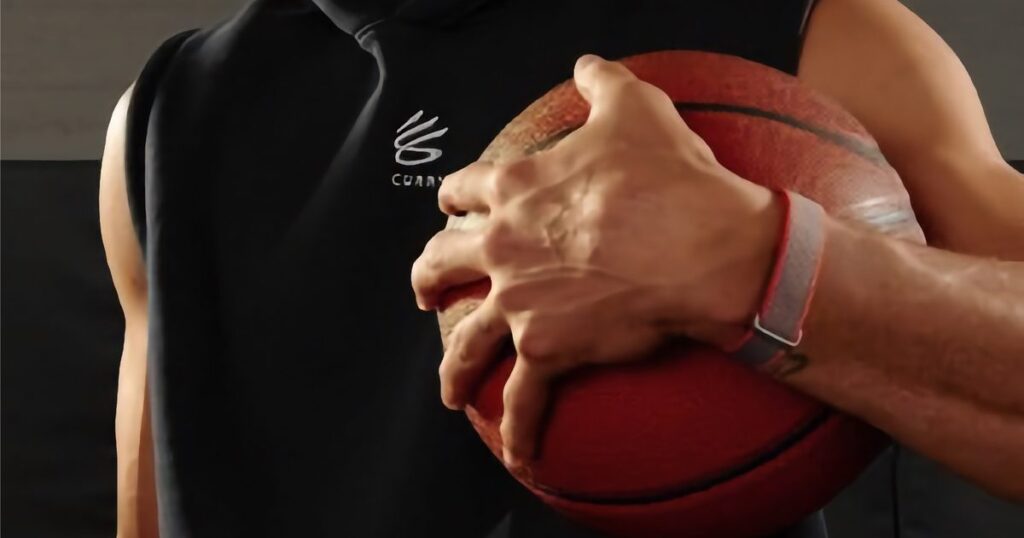
As Apple continues to dominate the consumer fitness market with the Apple Watch, a new competitor is poised to shake up the athletic fitness space—**Google**. In an effort to carve out a share of this lucrative market, the tech giant has been developing a screen-less **Fitbit** fitness band, aimed directly at the established leader, **Whoop**. Recently, NBA superstar **Steph Curry** hinted at this device on social media, stating it will unlock a “new relationship with your health.” **Bloomberg** confirmed Curry's involvement, noting he has been collaborating with Google’s team to create something unique, with more details expected soon.
The anticipated device is a knitted gray fitness band accented with orange lining, which bears a striking resemblance to Whoop's current offerings. However, there are key differences in the business models. Unlike Whoop, which bundles its hardware into a subscription service, Google plans to sell the hardware separately and offer a paid subscription for advanced features. This approach may attract a different segment of fitness enthusiasts who prefer purchasing devices outright.
Can Fitbit’s AI Health Coach Give It the Edge?
The hardware alone is only part of the equation. Google is integrating the new band with an AI-powered **Fitbit personal health coach**, which will be included in a redesigned Fitbit app. This feature launched in public preview for eligible Fitbit Premium users in the U.S. in October. It's designed to act as a virtual fitness trainer, sleep coach, and health advisor all in one. Users can ask it to generate tailored workouts, explain fatigue, or monitor how exercise impacts sleep quality. The AI coach learns from users' biometric data over time, becoming more personalized with continued use.
Furthermore, it allows users to prepare questions for their next doctor's appointment, a function reminiscent of recent developments from **Microsoft** and **Perplexity**, which have introduced similar health-focused tools. This integration of AI aims to enhance user engagement and offer a more comprehensive health management experience.
With **Whoop** recently raising $575 million and achieving a valuation of **$10.1 billion**, it's clear they are firmly seated at the top of the athletic fitness market. Their brand has become synonymous with athletic performance, worn by many stars across sports like football, cricket, and basketball. Google's established ecosystem and brand recognition provide a strong foundation, but without partnerships with prominent athletes, it may struggle to gain traction in this competitive landscape.
As Google seeks to establish its footing in the athletic fitness market, its strategy will be pivotal. The combination of a screen-less band and an AI-driven health coach presents a compelling offering that could attract users looking for personalized fitness solutions. However, it remains to be seen if this will be enough to disrupt Whoop's stronghold.
For American readers invested in fitness technology, this ongoing competition could lead to innovations and advancements in health monitoring tools, enhancing personal well-being and fitness tracking capabilities. As more details about the Google Fitbit band emerge, it will be interesting to watch how this rivalry unfolds and how it could benefit consumers in the long run.
Is Your Instagram Account Secretly Hurting Your Mental Health? Discover Shocking Stats Now!
India's Shocking 25% Drop in Smartphone Exports: How the Iran Conflict Could Impact YOU!

Oil Crashes Under $100! What This Shocking Turn Means for Your Wallet!

Pochettino's SHOCKING Verdict: Are There Really NO USA Players in the World’s Top 100? Find Out NOW!

Shocking Appeal: Could Your Religious Vaccine Exemption Be Overturned? Experts Reveal Hidden Risks!

Iraq's Stunning Last-Minute Win: How They Shocked the World to Grab the Final World Cup Spot!
You might also like: