
Google Pixel's 25% Surge in 2025: What This Means for YOUR Smartphone Choice!

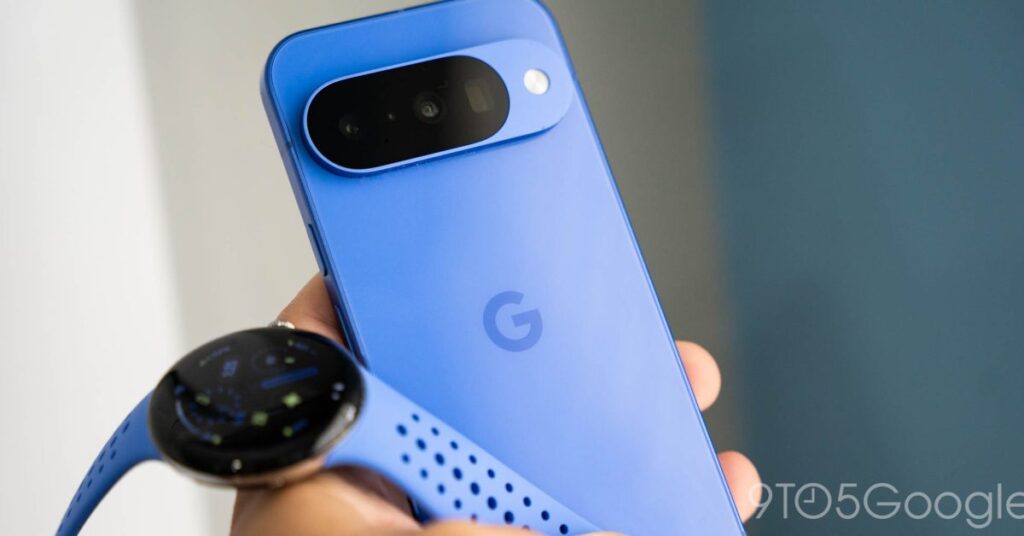
In 2025, Google’s Pixel smartphones experienced a notable resurgence, reportedly growing by 25% year-over-year, according to market analysis from Counterpoint Research. While it’s clear that Google’s flagship devices may never reach the same market dominance as Apple or Samsung, this growth signals a strengthening foothold, particularly in regions like North America and Japan, where Pixel's presence is more pronounced.
Despite the overall increase, the Pixel brand still resides within the “Others” category of global smartphone sales, which has actually shrunk in 2025. This category includes brands like Nothing, which also reported impressive growth of 31% year-over-year, hinting at a shift in consumer preferences towards innovative alternatives.
On the competitive front, Apple has solidified its position as the world’s largest smartphone manufacturer, capturing 20% of the global market with a 10% growth. This success was largely attributed to the significant traction the iPhone 17 series gained in the fourth quarter, alongside the enduring popularity of the iPhone 16 series in traditionally Android-dominated markets such as Japan, India, and Southeast Asia.
In the rankings, Xiaomi maintained its steady third-place position, while Vivo grew by 3% to claim fourth. Oppo, however, faced a decline of 4%, rounding out the top five smartphone manufacturers.
Looking ahead, industry experts anticipate challenges for the smartphone market in 2026. Tarun Pathak, a research director at Counterpoint, notes that the market is likely to “soften” due to rising component costs and shortages of critical components like DRAM and NAND chips. As chipmakers shift their focus towards supporting AI data centers over smartphone production, consumers could expect price increases on smartphone models.
“The global smartphone market is set to soften in 2026 amid DRAM/NAND shortages and rising component costs, as chipmakers prioritize AI data centers over smartphones,” Pathak stated. “Though the supply crunch will weigh on shipments, Apple and Samsung are likely to remain resilient, supported by stronger supply chain capabilities and premium market positioning, whereas Chinese OEMs concentrated in lower-price segments will face greater pressure.”
This anticipated supply chain disruption is particularly concerning for Chinese OEMs, as they are heavily concentrated in the more competitive lower-price segments of the smartphone market. Brands like Google, on the other hand, may find this an opportune moment to solidify their market position, especially if they can effectively communicate the value and innovations of their devices amidst rising costs.
The growth of Google’s Pixel line, despite challenges, reflects a broader trend in the mobile market where differentiation and unique selling propositions become increasingly vital. As consumers begin to weigh their options more carefully, brands that can offer distinct advantages—be it through innovative features, improved user experience, or competitive pricing—are likely to thrive.
In summary, while Google’s Pixel smartphones continue to carve out a niche in a highly competitive market, the landscape appears poised for change. With upcoming challenges in 2026, the ability of companies to adapt and innovate will be crucial in determining their future success.
Netflix's Secret to Success? Ted Sarandos Reveals the Shocking Lesson from Reed Hastings That Could Change Your Career!

You Won't Believe What Awaits at Ocala's First Friday Art Walk—Don't Miss These Shocking Surprises!

Pistons’ Shocking Trade Targets: Will They Land a Star or Face Total Collapse This Season?

Tom Brady’s Shocking New Venture: Will This Telehealth Startup Revolutionize Weight Loss for Millions?

Ashurst Shocks the Industry: Who is the Game-Changing New Partner in the Middle East?

JD Sports' Shocking Move: Shop Through AI Chatbots—Are You Ready for This Game-Changer?
You might also like: