
Gen Z's Shocking Food Revolution: Why 'Girl Dinner' is Replacing Perfect Meal Prep Forever!

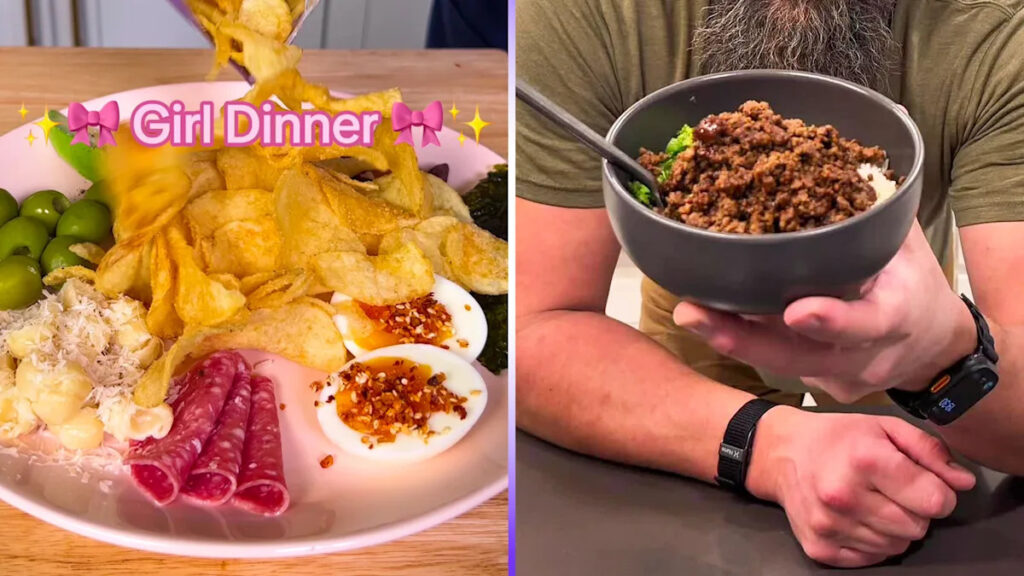
As the evening approaches and thoughts turn to dinner, the latest food trend among Gen Z fitness enthusiasts may prompt a curious answer: “boy kibble.” This quirky term, which jokingly draws inspiration from dog food, signifies a new approach to meal prep that emphasizes simplicity, protein, and convenience.
At its core, boy kibble is a one-bowl meal that often consists of high-protein options like ground beef, paired with carbohydrate staples such as white rice. Fitness influencer Christian “Quadfather” Miles popularized the term in a January Instagram reel, where he showcased a bowl of unseasoned ground beef and rice. He quipped, “Y’all may have girl dinner, but I got boy kibble. It’s 8 p.m., and I’m rawdogging some 93/7 ground beef. We’re not the same.” This stark comparison to another trending meal concept, “girl dinner,” which consists of aesthetically pleasing snacks like cheese, olives, and fruit, highlights the contrasting philosophies of meal prep among young adults today.
Interestingly, even pop culture icons like Harry Styles have weighed in, joking during a recent interview that boy dinner often looks like “eating a rotisserie chicken over the sink.” The humor underscores a deeper cultural phenomenon: the evolution of what constitutes a satisfying meal in today’s fast-paced world, particularly for a generation grappling with unique challenges.
📰 Table of Contents
Too much advice, not enough energy: The case for simple meals
Madison Reeder, a registered dietitian and vice president of clinical operations at ModifyHealth, observes that trends like boy kibble reflect the realities of modern life. “Most people are exhausted and balancing more than ever,” she explains, noting that these meal trends resonate with individuals seeking quick and low-effort solutions. “These trends gave a name to what many people were already doing quietly: the snack plate, the ground beef and rice, the ‘I don’t have the energy to cook tonight’ meal.”
Gen Z, those born between 1997 and 2012, are particularly susceptible to feelings of burnout, having entered adulthood during a pandemic and navigating an economy that often feels precarious. With the overwhelming flood of nutrition advice available on platforms like TikTok—where a 2024 report from MyFitnessPal noted that 87% of millennial and Gen Z users sought health guidance—the search for practical, authentic advice is paramount. However, a 2025 study published in the journal Nutrients found that 19% of nutrition-related TikTok posts were deemed completely inaccurate, leaving many young adults feeling confused.
“There is so much contradictory information out there,” Jenna Movsowitz, cofounder of Express Checkout, tells Yahoo. “Gen Z is saying, ‘I just need someone who is believable to tell me what to do in a way that requires less stress.’” In response, the appeal of simple meals like boy kibble continues to grow.
Dietitian Amy Goodson concurs, stating that Gen Z values “authenticity, practicality, and simplicity.” They seek out meals that are both nutritious and easy to prepare, shifting away from complex recipes and overwhelming dietary guidelines.
Are these food trends healthy?
Experts generally see boy kibble as a viable meal option. Lean beef, for example, offers around 25 grams of high-quality protein in a 170-calorie serving. Nonetheless, it could benefit from some enhancements. Goodson suggests incorporating vegetables for added nutrients and swapping white rice for brown rice or quinoa to increase fiber content.
Similarly, girl dinner can be nutritious if it includes a balance of protein, fiber-rich carbs, and healthy fats. Options like Greek yogurt topped with berries and nuts or a protein plate with hummus and vegetables exemplify how snack-style meals can be both satisfying and healthy.
While these trends may promote ease and accessibility, Reeder cautions against adopting them too rigidly. “A trend creates its own feedback loop,” she warns. “Once a meal identity is established, people tend to stop evaluating whether what they’re doing still actually serves them.” This can lead to monotonous eating habits, where individuals might find themselves consuming unseasoned beef and rice daily, not because it's the best choice for their bodies, but because the trend suggests it should be.
Furthermore, there’s concern that the rise of these trends coincides with a resurgence of societal pressures surrounding body image. Movsowitz points out that these food trends are happening alongside a return to extreme thinness in fashion, echoing trends from the ‘90s. “It can be hard to separate diet culture from these trends,” she says.
On a positive note, the acceptance of low-effort meals could liberate older generations from the guilt associated with not preparing “real” dinners. Reeder notes that seeing younger generations embrace simplicity in meals can be freeing. “Sometimes the most helpful thing is hearing that a simple, balanced meal is enough,” she observes.
While the definition of a “real” dinner may be evolving, the principles of good nutrition remain the same. Goodson emphasizes the importance of balanced meals that include adequate protein, fiber, healthy fats, and sufficient calories. “What these trends get right is that people want eating to be less complicated, and that deserves to be taken seriously,” Reeder concludes. In a fast-paced world, the desire for simplicity in meals is a trend that is here to stay.
Is This New LA Media Startup About to Change Everything? Shocking Secrets Revealed!

Bam Adebayo's Shocking Miami Heat Decision: You Won’t Believe What Happens Next!

Is This NBA Draft Class the Most Shocking Ever? Discover the Hidden Gems for 2026!

Vermont Startup Unleashes Shocking Solution for In-Home Care—You Won't Believe How It Works!

Stephen Curry's Shocking Injury Update: Will He Face the Celtics or Miss the Playoffs?

Shocking New Appointments to VCU Board: Who Made the Cut and What It Means for Your Future!
You might also like: