
Gen. Muhoozi's Shocking Move: Social Media Ban Lifted — Here’s What It Means for You!

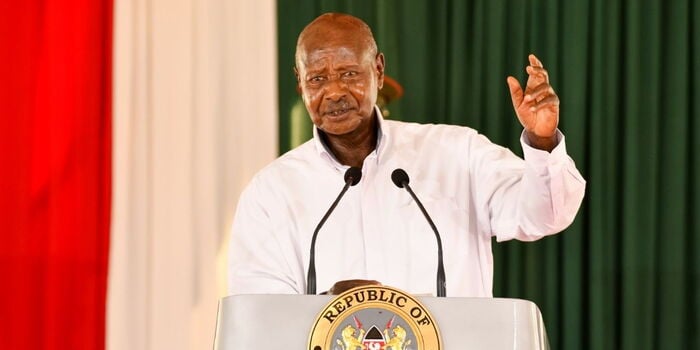
The digital darkness that has engulfed Uganda for weeks has finally lifted. General Muhoozi Kainerugaba, the Chief of Defence Forces and First Son, announced the immediate restoration of all social media platforms, including Facebook and TikTok, following the conclusion of the contentious January general elections. This announcement marks the end of a controversial blackout that the state argued was necessary to "curb misinformation," a claim critics dismissed as a draconian tool of suppression.
Ironically, the announcement was made via X (formerly known as Twitter), signaling a return to business as usual for the so-called "Tweeting General." The ban was put in place just days before the polls, cutting off millions of Ugandans from communication and crippling the digital economy.
In his statement, Gen. Muhoozi declared, "The security situation is now stable. The enemies of peace who sought to use these platforms to sow chaos have been defeated. We open the digital space so that our youth can go back to work and build the nation."
However, the lifting of the ban comes with caveats. The Uganda Communications Commission (UCC) has cautioned that it will closely monitor online activity under the Computer Misuse Act. This raises questions about the true nature of the restored freedoms for Ugandan citizens.
- The Economic Cost: Analysts estimate that the blackout cost the Ugandan economy millions of dollars daily, significantly impacting e-commerce traders and gig workers.
- The Political Context: The ban was widely perceived as a strategy to suppress the opposition National Unity Platform (NUP), which heavily relies on social media for mobilization.
- International Pressure: The decision to lift the ban comes on the heels of intense diplomatic pressure from the U.S. and EU, who expressed concerns about the fairness of an election held in an information vacuum.
For the youth of Kampala, the return of connectivity is a welcome relief, but the scars of the blackout linger. Sarah Nalugo, an online vendor, expressed a mix of joy and caution, stating, "We are happy to be back online, but we know the switch can be flicked off again at any time. It is hard to run a business when the government holds your internet connection hostage."
The return to normalcy raises critical questions about the implications for political freedom and digital rights in Uganda. As VPNs are switched off and direct connections are restored, observers are left to ponder whether this move signals a genuine step towards openness or merely a tactical pause by a regime well-versed in the art of digital authoritarianism.
As the world watches, the stakes are high not just for Uganda, but for the broader conversation about internet freedom and the power dynamics of digital communication in repressive regimes. The circumstances surrounding this restoration add to a complex narrative, illustrating how access to information remains a crucial battleground for democracy and civil rights across the globe.
Are Big Tech Giants About to Crash? Dow and S&P 500 Tumble Ahead of This Week’s Shocking Earnings!
Why 3 More Years of U.S. Health Policy Chaos Could Cost You Your Life Savings!

I Just Bet Big on a 95% Cratered Stock—Will You Miss Out on This Shocking Turnaround?

Stacy Garrity's Shocking Fundraising Gap: Is This the End of Her Governor Dreams?

Shocking Coaches Poll: Which Top 25 College Basketball Teams Are Predicted to CRUMBLE This Season?

Shocking Details of the Google-Apple Deal: Is Your Privacy at Risk? Find Out Now!
You might also like: