
Florida's Hurricane Exodus: Are 60% of Residents Really Packing Up for Good? Shocking Survey Reveals!

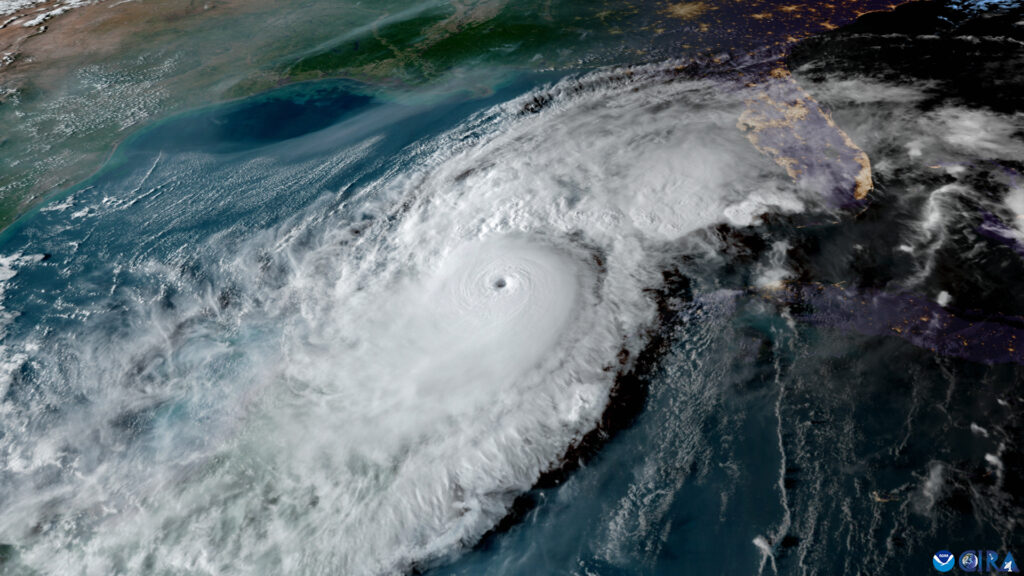
As the Atlantic hurricane season officially wraps up, the aftermath lingers for Floridians grappling with extreme weather and skyrocketing homeowners' insurance costs. A recent survey from Florida Atlantic University (FAU) reveals a concerning trend: many residents are contemplating relocation due to climate-related threats, including hurricanes.
According to the Florida Climate Survey, 36% of respondents statewide have either moved or are considering a move in part or entirely due to weather hazards. The survey, conducted in late September 2025, builds on a series that has tracked Floridians' perceptions of climate resilience since October 2019. It comes just one year after Hurricane Helene made landfall in Florida, followed shortly by another storm, Hurricane Milton, which unleashed a related tornado outbreak.
The survey findings indicate a regional divide in concern. Nearly a quarter of respondents in North Florida (24%) reported that weather hazards influenced their decision to relocate within the state, while approximately 20% of residents along the I-4 corridor from Tampa to Cape Canaveral are exploring similar options. “One in five Floridians from about the I-4 corridor to Key West are considering a move due to weather hazards,” stated Colin Polsky, Ph.D., associate vice president of Broward campuses for FAU and professor of geosciences in the Charles E. Schmidt College of Science. He added, “Some of these people may wish to move but cannot afford the expenses, indicating a possibly large number of residents struggling with weather hazards.”
The survey results also highlight a strong undercurrent of fear regarding future weather events. More than 60% of Floridians express moderate to extreme concern over hurricanes becoming stronger and more frequent (63%), alongside worries about increased rainfall and flooding from storm surges near the coast (61%). “Despite a major shift in the national weather and climate conversation in 2025, people’s lived experiences in Florida appear to have kept these hazards top of mind, influencing where people think it is safe to live,” Polsky noted.
Interestingly, while a significant majority of Floridians (85%) acknowledge that climate change is happening, this figure marks the lowest level recorded in the survey’s six-year history. Just over half (52%) believe that human activity is a contributing factor to climate change. When broken down by political affiliation, 71% of Democrats, 50% of independents, and only 39% of Republicans attribute climate change to human actions.
Concerns over the affordability of homeowners' insurance, which is becoming increasingly intertwined with climate risks, are also prevalent. Nearly half of respondents (49%) reported worry about rising insurance costs due to climate change implications. Furthermore, while more than 60% of Floridians desire increased government action—whether at the federal or state level—to address climate impacts, this figure represents the lowest level of concern since such questions were first posed in March 2023.
Polsky remarked on the fluctuating support for climate action, stating, “While public support for climate action may swing wildly from one presidential election to another, a substantial share of Floridians face an abiding weather risk.” This sentiment underscores the reality that many residents are not only concerned about the immediate impacts of climate change but are also weighing their options in response to these threats.
The survey, conducted in both English and Spanish from September 24 to 30, included 1,400 Floridians aged 18 and older, with a margin of error of +/- 2.53%. Responses were collected through an online panel provided by GreatBlue Research and were weighted to reflect demographics based on the 2023 U.S. Census Bureau’s American Community Survey.
The overarching message from this latest survey is clear: as climate threats escalate, Floridians are re-evaluating their living situations and the safety of their homes. For many, the decision to stay or leave is not just a personal choice but a reflection of the broader implications of a changing climate.
Bitcoin Plummets Under $86,000: Is This the Start of a CRASH You Can't Afford to Ignore?

This Tech Entrepreneur's $49 Phone Could Change Your Life—Are You Ready to Unplug?

You Won't Believe How Anthony Ramos is Transforming Community Conversations—This Shocking Strategy Could Change Everything!

Pittsburgh's Allegheny Health Network Achieves Shocking 50% Growth—What This Means for You!

You Won't Believe How Tadeo Allende Transformed Inter Miami's Playoff Hopes—Find Out the Shocking Stats!

“Join the 4-H Club Revolution: Discover How 90% of Members Transform Their Lives—What Are You Missing?”
You might also like: